


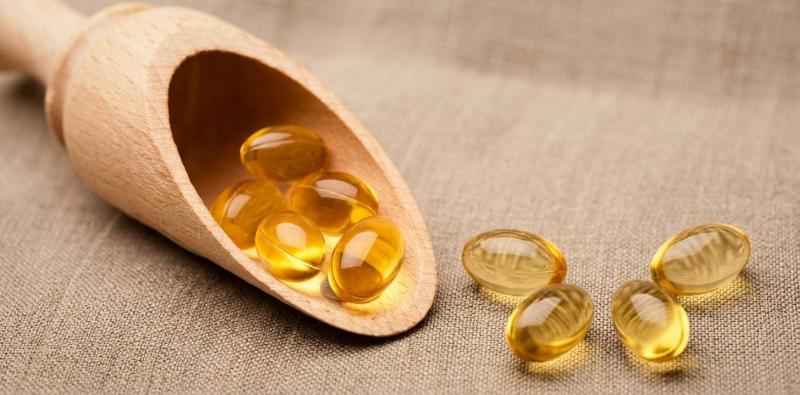
Vitamin D is one of the most crucial nutrients needed by the body to maintain healthy bones, teeth, and muscles. It plays a pivotal role in efficiently absorbing calcium and phosphorus. Its importance is heightened for women due to hormonal changes during different life stages, such as pregnancy, breastfeeding, and menopause, where the risk of deficiency increases.
Vitamin D's benefits extend beyond bone health; it supports the immune system, helps regulate some hormonal functions, and maintains mental health. Keeping its levels within the normal range is essential for preventing numerous health issues and enhancing quality of life.
Why Women Need Vitamin D
Women undergo physiological changes that alter their nutritional needs at different stages compared to men, with Vitamin D being a critical element.
Maintaining Bone Health
Vitamin D aids the body in absorbing calcium efficiently, maintaining bone strength and reducing the risk of osteoporosis, especially post-menopause when estrogen levels decrease.

Supporting Hormonal Balance
Studies suggest that Vitamin D supports hormonal balance in women, contributing to ovarian health and regular menstrual cycles and possibly playing a role in enhancing fertility for some women.
Supporting Pregnancy and Breastfeeding
Pregnant women need adequate Vitamin D levels to support fetal bone and tooth development while maintaining maternal health. Doctors may recommend supplements if necessary.
Boosting the Immune System
Vitamin D activates immune cells and improves the body's ability to combat viruses and bacteria, potentially reducing the risk of respiratory infections and some other diseases.
Supporting Mental Health
Research has linked low Vitamin D levels with mood disorders. Maintaining adequate levels may support mental health and lessen the chances of seasonal depression or postpartum depression in some women.
Signs of Vitamin D Deficiency in Women
Initial Vitamin D deficiency might be asymptomatic, but persistent low levels can manifest various signs that necessitate medical advice.
Persistent Fatigue
Tiredness and lethargy despite adequate sleep are common signs of Vitamin D deficiency, affecting energy and daily activities.
Bone and Joint Pain
Women may experience recurrent pain in the lower back, pelvis, or joints due to poor calcium absorption and reduced bone density.
Muscle Weakness
A deficiency can lead to muscle weakness or difficulty performing daily tasks, increasing the risk of falls in the elderly.
Hair Loss
Hair follicle weakness and increased hair loss, often accompanied by an iron deficiency, could be linked to a lack of Vitamin D.
Mood Fluctuations
Women might experience increased anxiety, stress, or mood drops. However, these signs alone can't confirm a deficiency as they may result from multiple causes.
Weak Immune System
Low Vitamin D levels might lead to recurring colds or infections due to a compromised immune response.
Slow Wound Healing
As Vitamin D supports wound healing and tissue regeneration, a significant deficiency could prolong recovery.
Causes of Vitamin D Deficiency in Women
Several factors may increase the likelihood of Vitamin D deficiency, including:
-Limited sun exposure.
-Regular sunscreen use.
-Aging.
-Pregnancy and breastfeeding.
-Obesity.
-Poor nutrition.
-Certain liver, kidney diseases, or absorption disorders.
-Diets lacking natural Vitamin D sources.
Best Sources of Vitamin D
Vitamin D can be sourced from multiple avenues, and a combination is ideal for maintaining adequate levels.

Sun Exposure
Moderate sun exposure is one of the best sources of Vitamin D, preferred at appropriate times and with health guidelines to avoid UV damage.
Vitamin D-Rich Foods
Key dietary sources include:
-Fatty fish such as salmon, sardines, and tuna.
-Egg yolks.
-Liver.
-Fortified milk.
-Fortified yogurt.
-Fortified breakfast cereals.
-Supplements
Doctors may recommend Vitamin D supplements if blood tests confirm a deficiency, ensuring dosage adherence to prevent excessive levels.
How is Vitamin D Deficiency Diagnosed?
Diagnosis relies on a blood test measuring 25-Hydroxy Vitamin D, commonly used to assess if vitamin levels are normal or low, guiding treatment or monitoring decisions.
Can Excessive Vitamin D Intake Cause Harm?
Despite its importance, excessive supplement consumption without medical supervision can elevate body levels, causing hypercalcemia, nausea, constipation, and kidney issues. High doses should only be taken as recommended by a physician.
When to See a Doctor?
Consult a doctor if symptoms like chronic fatigue, bone pain, or muscle weakness persist, especially for pregnant, breastfeeding, or post-menopausal women, as these could signal a Vitamin D deficiency or other conditions needing evaluation.
In Conclusion, Vitamin D is crucial for women's health across all life stages, supporting bone strength, immunity, hormonal balance, and overall health. Balanced nutrition, moderate sun exposure, and regular testing can help maintain adequate Vitamin D levels and prevent related issues.
See Also
How Long Does Recovery Take After Breast Enlargement?