



Lebanon, renowned for its rich history and cultural diversity, showcases its heritage through the widespread traditional crafts and industries across its regions. Despite global industrial and technological advancements, many Lebanese villages and towns still cherish manual crafts passed down through generations, serving as a living testament to the nation's cultural and traditional identity.
These crafts hold significance beyond their historical value; they are vital sources of tourism and economic income. Both local and international visitors are drawn to Lebanon's ancient markets and artisan workshops to acquire unique handmade items. From pottery and blown glass to copperworks and traditional soap, Lebanon's artisanal legacy is rich with artistry, creativity, and high craftsmanship.
Timeless Ancestral Crafts: Lebanese Heritage Treasures Still Handmade Today
Pottery and Ceramics: A Heritage Tracing Back to the Phoenicians
Pottery and ceramics stand as one of Lebanon's oldest traditional crafts, with roots tracing back to the Phoenician civilization famed for its mastery in crafting and exporting pottery across the Mediterranean.
Regions like Rachaya el-Foukhar and Beit Shabab are notable for this craft, utilizing high-quality local clay. Artisans shape the clay manually or with traditional wheels before firing it in special kilns to produce jars, pitchers, cooking, and decorative items.
These products remain popular due to their traditional charm and ability to keep water cool, adding an authentic rustic touch to homes.
Jezzine Knives: Art Pieces Beyond Tools
Jezzine knives are famous both within and outside Lebanon, representing a standout in Lebanese handcrafts. These knives are distinguished by their handcrafted handles, often carved into bird shapes or intricate artistic designs.
Artisans use diverse materials for the handles, including animal horns, bones, and wood, with silver or copper inlays for a unique artistic flair. These knives have become collectible souvenirs for tourists and craft enthusiasts.
Traditional Soap Making: A Centuries-Old Tradition
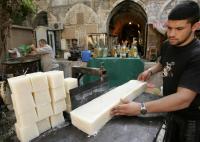
Tripoli and Sidon are renowned for traditional soap crafting in Lebanon, relying on natural ingredients like olive and laurel oils alongside aromatic herbs.
Tripoli is noted for its historical khans, particularly Khan Al-Saboun, a prominent tourist and cultural landmark. Lebanese soap is esteemed for its high quality, natural scent, and skin benefits, increasing its demand both locally and globally.
Blown Glass: A Living Phoenician Art
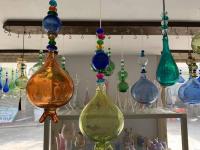
Blown glass crafting is among the oldest Phoenician crafts still thriving today, with the town of Sarafand as the foremost bastion of this heritage.
Artisans recycle old glass, melting it in special furnaces before blowing it manually with long metal tubes to create vases, cups, and colorful pitchers. Each piece is unique due to the challenge of reproducing identical versions.
Copperworks: Historical Decor
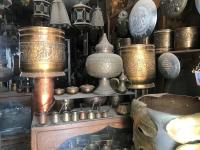
Tripoli's old markets hold a special place in traditional copper crafting. Artisans manually shape and engrave copper sheets to produce trays, pitchers, chandeliers, and Arabic coffee pots.
This craft requires high precision and patience, with engravings made using traditional tools passed down through generations. Copper products rank among the most popular souvenirs purchased by visitors to Lebanon.
Bell Casting in Beit Shabab
Beit Shabab is also known for church bell casting, internationally acclaimed for sound quality and precision craftsmanship.
Bells are cast using a precise mix of copper and tin and undergo multiple sound tests to ensure quality resonance. Beit Shabab bells have reached numerous churches across the Middle East, Europe, and Africa.
Traditional Weaving and Embroidery
Hand weaving is a craft linked to Lebanese villages for centuries. Regions like Zouk Mkayel and Shheem are famous for producing abayas and fabrics embroidered with gold and silver threads.
Some mountain villages also produce colorful wool rugs and mats featuring designs inspired by the Lebanese environment and surrounding mountain nature.
Basket and Handwoven Wicker Crafts
In several Lebanese rural villages, basket and wicker weaving remain active with products used for various purposes from storing fruits and vegetables to home decor.
This craft is environmentally friendly, entirely relying on regenerative natural materials.
The Economic and Touristic Role of Traditional Crafts
Traditional crafts play a vital role in supporting the local economy, especially in rural areas relying on handmade crafts as a primary income source. They also attract tourists seeking authentic products reflecting Lebanon's cultural identity.
These crafts help preserve national heritage and pass traditional skills to new generations, preventing their disappearance amidst competition with modern industrial products.
Challenges Facing Lebanese Artisans
Despite their cultural value, artisans face challenges like the rising costs of raw materials, a decline in young trainees, and competition from cheaper imported products.
Economic crises have also impacted purchasing power and export activities, leading many traditional workshops to reduce production or close altogether.
In conclusion, Lebanon's traditional crafts form an essential part of its national identity and cultural heritage, spanning thousands of years. From pottery and ceramics to blown glass, copperworks, and traditional soap, each craft tells the story of a region, people, and civilization that helped shape Lebanon's history.
Despite modern challenges, these crafts endure thanks to the artisans' skill and passion for preserving ancestral heritage, continuing to serve as a living testimony to the richness and diversity of Lebanese culture.
See Also
Comparison Between Living in Beirut, Tripoli, and Jounieh
Best Mountain Resorts in Lebanon
Best Beaches for Families in Lebanon