



Climate change has emerged as one of the biggest challenges facing humanity in the 21st century, impacting not only the environment but also extending to economies, health, food security, and migration. As global temperatures continue to rise, some countries are beginning to experience more severe effects than others.
Although major industrialized nations contribute most to greenhouse gas emissions, developing and island nations often bear the brunt due to weak infrastructure and limited capacity to adapt to climate disasters.
Countries Most Affected by Climate Change
Bangladesh
Bangladesh is highly susceptible to floods and sea level rise, with millions living in low-lying areas. Even a slight increase in sea level could cause widespread displacement.
Philippines
The Philippines frequently faces strong tropical cyclones, causing significant infrastructure damage and economic and human losses annually.
India
India grapples with severe heatwaves, seasonal floods, and water pollution, impacting sectors reliant on rain-fed agriculture.
Pakistan
In recent years, Pakistan has seen catastrophic flooding affecting vast regions, exposing the fragility of its infrastructure.
Maldives
The Maldives faces significant threats from rising sea levels, which could render some islands uninhabitable in the future.
Indonesia
Indonesia confronts a range of threats such as earthquakes, floods, and rising sea levels, exacerbated by high coastal population density.
African Coastal Countries (e.g., Mozambique, Nigeria)
These countries endure floods, drought, and desertification, directly impacting food security and livelihoods.
Middle Eastern Countries (e.g., Iraq)
These regions experience severe drought, unprecedented temperature rises, and worsening water crises, affecting agriculture and population well-being.
Impacts of Climate Change on These Nations
Natural Disasters
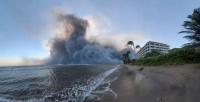
Increasing frequency and intensity of floods, hurricanes, and heatwaves.
Food Security
Decline in agricultural output due to droughts or floods.
Climate Migration
Millions are forced to leave their homes in search of safer environments.
Economic Impact
Massive infrastructure losses and decreased economic growth.
What Factors Make a Country More Vulnerable to Climate Change?
Various factors determine a country's vulnerability, including:
- Geographic location near seas or arid regions.
- Weak infrastructure to handle disasters.
- Heavy reliance on agriculture as an income source.
- Limited financial resources for adaptation.
- High population density in risk-prone areas.

Why Are Poor Countries More Affected?
Despite low emission contributions, poor countries struggle with:
- Weak early warning systems.
- Insufficient funding for environmental protection projects.
- Reliance on traditional agriculture.
- Poor infrastructure.
Is the World Ready to Tackle the Crisis?
Despite international efforts, challenges remain significant. Continued emissions and insufficient commitments from major countries widen the gap in adaptive capabilities between developed and developing nations.
See also: