


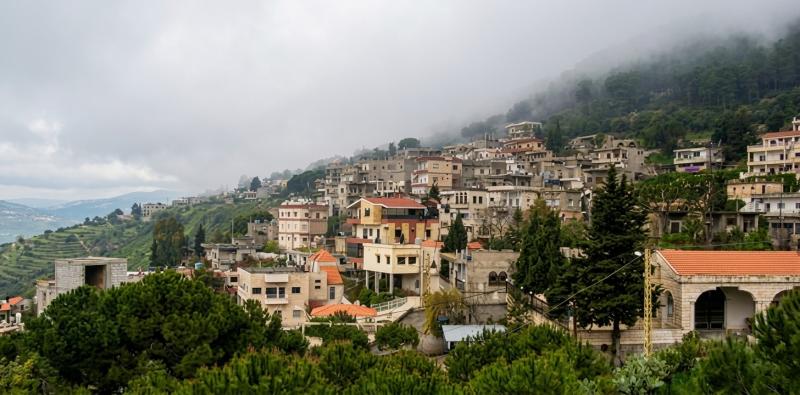
Kfarmatta village is a top attraction for enthusiasts of rural tourism and nature. Located in the Aley District of Mount Lebanon Governorate, this village is renowned for its unique geographical position and rich historical legacy. Kfarmatta is a perfect blend of dense forests, green valleys, and archaeological sites, making it one of the most beautiful Lebanese villages worth visiting.
Despite its tranquility, Kfarmatta boasts a long history that spans centuries. The village features numerous natural and geological landmarks that attract visitors and hiking enthusiasts. Additionally, it is famous for its ancient olive trees and remnants of old silk factories, reflecting a significant part of Mount Lebanon's economic history.
Where is Kfarmatta Located?
Kfarmatta is situated in the Aley District of Mount Lebanon, approximately 32 kilometers from Beirut, making it easily accessible in less than an hour depending on traffic.
The village is elevated between 700 and 750 meters above sea level, offering a moderate climate in summer and relatively cold weather in winter. It provides expansive views of the Shouf district and the Lebanese coast, surrounded by hills that reduce the impact of northern winds.
Nature in Kfarmatta
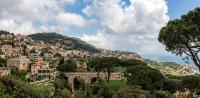
Kfarmatta is renowned for its extensive green spaces covered by pine and oak forests, alongside olive groves and agricultural lands that lend the village a distinctive rural charm.
The Damour River flows through the village's valley, enhancing the area's beauty and providing significant ecological diversity, making it a suitable destination for hiking, photography, and nature lovers.
Origin of the Name Kfarmatta
The name Kfarmatta has its roots in the Syriac Aramaic language, consisting of two parts: "Kfar," meaning village, and "Matta," a proper name, thus translating to "Matta's village."
The name is thought to be associated with an ancient monastery dedicated to Saint Matta, whose remains were found in the village square, reflecting the region's deep religious and historical roots over the centuries.
History of Kfarmatta
Kfarmatta has a rich history stretching back hundreds of years. Archaeological discoveries indicate the area has been occupied for over two millennia, with sarcophagi and artifacts dating to the Phoenician and Roman eras, underlining the village's historical importance.
Kfarmatta played a prominent role during the Tanukh Dominion and later saw urban and economic development in various historical phases.
Main Attractions in Kfarmatta
The village is abundant in natural and historical landmarks that draw visitors from across Lebanon.
Fazar Rocks
Known for its natural beauty, Fazar Rocks is a giant rocky passage formed by geological factors over thousands of years. This site is a paradise for adventurers and nature hikers, surrounded by rocky cliffs and dense trees, offering spectacular panoramic views.
Kfarmatta Reserve
The Kfarmatta Reserve is a key environmental area in Mount Lebanon, aiming to protect biodiversity, natural forests, and water resources. It houses a variety of wild plants and birds, providing trails suitable for hiking and nature exploration.
Old Silk Factories
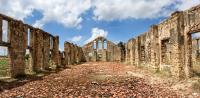
The remnants of silk factories, dating back to the 19th century, are notable historical testimonials in the village. Among them, Fadoul Silk Factory established in 1860 highlights the importance of the silk industry that flourished in Mount Lebanon, boosting the local economy.
Ancient Olive Trees
Kfarmatta is also famous for its hundreds of olive trees, some of which are centuries old, continuing to be a vital part of the village's agricultural activity today.
Tourist Activities in Kfarmatta
Kfarmatta offers visitors a variety of activities suitable for all ages, including:
- Nature hiking
- Exploring Fazar Rocks
- Photography
- Visiting archaeological sites
- Strolling through pine and oak forests
- Watching the Damour river valley
- Learning about the agricultural and olive-making heritage
Notable Figures from Kfarmatta
Kfarmatta is linked with several prominent cultural and literary figures, notably the poet and translator Amin Nasreddine, a leading figure in Lebanese literature.
His father, Sheikh Ali Nasreddine, was famous for founding the "Al-Safa" newspaper in 1886, one of the first Druze and Arab newspapers, significantly enriching Lebanon's intellectual and media movement.
Why Visit Kfarmatta?
Kfarmatta offers a rare blend of pristine nature, history, and heritage, ideal for those seeking to escape city life and enjoy serene mountain environments.
Furthermore, it provides a comprehensive experience combining ecological and historical tourism, whether through visiting natural sites or exploring the archaeological landmarks scattered across its surroundings.
Best Time to Visit Kfarmatta
Spring and summer are the best times to visit, with forests turning green and temperatures becoming mild, encouraging hiking and exploration activities.
In the fall, the forests transform into a natural painting with their golden hues, while winter gives the village a tranquil atmosphere ideal for mountain nature lovers.
In Conclusion, Kfarmatta stands out as one of Mount Lebanon's most beautiful historic villages, combining enchanting nature with rich history and unique geological features. Its proximity to Beirut makes it a perfect destination for day trips and those interested in ecological and cultural tourism.
With its forests, historic rocks, archaeological remains, and heritage sites, Kfarmatta continues to maintain its status as a Lebanese village worth exploring.
See Also:
Information on Mohammed Al-Amin Mosque in Beirut