


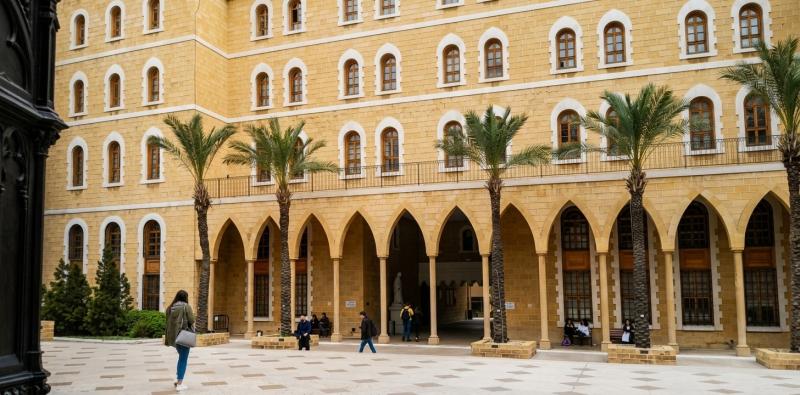
The American University of Beirut Museum, located on the university's campus in the Hamra area, is a significant cultural and archaeological institution in Lebanon. Renowned for its vast collection, it provides visitors with a unique opportunity to explore different phases of Near Eastern history through authentic artifacts gathered over more than 150 years.
Notably, it is the third oldest archaeological museum in the Near East, following the Cairo and Constantinople museums, granting it a special status among institutions dedicated to the study and preservation of archaeological heritage.
Establishment of the American University of Beirut Museum
The museum was founded in 1868, shortly after the university, then known as the Syrian Protestant College, was established. The initial collection began with archaeological pieces including a set of Cypriot pottery donated by General Luigi Palma di Cesnola, the American consul in Cyprus.
Over the years, the collection expanded significantly to include antiquities from various regions across the Near East and the Mediterranean, transforming the museum into a pivotal center for the study of ancient civilizations.
The Historical Museum Building
The archaeological collections found a permanent home within Post Hall on the university campus in 1902. This building is distinguished by its historical architecture and strategic location within the campus.
In efforts to enhance the exhibition style, the museum underwent a comprehensive renovation before reopening in 2006, integrating its historic charm with modern display techniques.
What Does the American University of Beirut Museum Offer?
With approximately 15,000 archaeological artifacts, the museum represents various civilizations and regions of the Near East and the Mediterranean. The collections include pieces from Lebanon, Syria, Cyprus, Egypt, Palestine, Iraq, and Iran, offering a comparative perspective on the civilizational developments of the ancient world.
The artifacts are chronologically arranged, aiding in understanding the region's transformations over millennia, from prehistoric times to Islamic periods.
Highlights from the Museum's Collection
Glass and Pottery
The glass and pottery collection stands out, showcasing various ancient craftsmanship styles in the region. These pieces illustrate the evolution of glassmaking and pottery techniques, reflecting the skill of ancient civilizations in producing daily utensils and artistic decorations.
Glass pieces are particularly significant for understanding Phoenician civilization and glass industry advancements in the Eastern Mediterranean.
Ancient Coins
The museum houses a diverse array of coins that are crucial for studying the region's economic and political history. This collection spans several historical periods, including the Roman, Umayyad, Abbasid, Fatimid, and Ottoman eras.
Through these coins, visitors can learn about rulers' symbols, inscriptions, and artistic patterns from each historical phase.
Weapons and Hunting Tools
The museum also displays tools and weapons illustrating the evolution of hunting and warfare technologies. These items depict the daily life of ancient societies and show technological advancements in metal and stone tool making.
Egyptian and Funerary Artifacts
Among the intriguing collections are items associated with ancient Egyptian civilization, including pieces linked to burial and mummification practices. These exhibits give insight into ancient beliefs about death and the afterlife, alongside statues and artifacts from different parts of the Near East.
Palmyrene Artifacts
The museum also presents artifacts and statues from the archaeological city of Palmyra, a key trade and cultural hub in ancient times, enriching the collection by documenting the cultural and artistic exchanges in the Levant over different eras.
Prehistoric Remains
The timeline of exhibits extends to prehistoric artifacts and structures. Among them is a human skeleton discovered during archaeological research in the Beqaa Valley, offering substantial insights into human evolution and settlement in Lebanon.
Additional Museums and Exhibits at the American University Campus
The cultural experience on the AUB campus isn't confined to the archaeological museum. It also hosts scientific collections and exhibitions.
Natural History Museum
The Natural History Museum features a vast assortment documenting Lebanon's biodiversity. The collection includes samples of birds, insects, and other species instrumental in studying natural life and ecological diversity.
Botanical and Geological Collections
The campus also features collections focused on botany and geology, displaying samples of local plants and geological formations, enabling visitors to simultaneously explore ancient histories and natural sciences of the region.
Why Visit the American University of Beirut Museum?
The museum's significance lies in its ability to convey a comprehensive narrative about human and civilizational evolution in the Near East, rather than just isolated artifacts.
Through pottery, glass, coins, weapons, and funerary articles, visitors can track social, economic, and cultural transformations over thousands of years.
Additionally, its location within the American University grants it a distinctive character compared to traditional tourist museums, blending heritage with academic research and education.
Visitor Information for the American University of Beirut Museum
Those planning a visit can do so with the following details:
Admission: Entry to the museum is free, and a complimentary audio guide is available to assist visitors in understanding the exhibits.
Location: The museum is situated within the American University campus in Hamra, Beirut.
Visiting Hours: Generally open Monday to Friday, from 9:00 AM to 5:00 PM. The museum is closed on weekends and university holidays.
Entry Procedures: As the museum is located on a university campus, visitors may be required to present official identification or a passport at the university gate before entry.
It's advisable to verify opening hours ahead of the visit, especially during academic holidays or official events, as timings are subject to change according to the university calendar.
The American University Museum in Beirut's Cultural Sightseeing
The museum is a vital stop for those eager to discover Beirut's cultural and historical aspects, easily fitting into a sightseeing agenda in the Hamra area, especially for enthusiasts of museums, history, and archaeology.
Embedded within one of the region's prestigious universities, it enhances the visit with academic value, allowing tourists to transition from modern Beirut to history spanning millennia within the museum's halls.
Conversely, the museum's smaller size compared to some global counterparts makes it ideal for a focused cultural visit without needing to dedicate an entire day.
In conclusion, the AUB Museum stands as a prominent cultural landmark in Beirut, not just for its longevity but also for the scientific and historical value of its collections. Thus, it offers an appealing choice for those pursuing cultural tourism in Beirut and aiming to explore Lebanon's history beyond traditional tourist sites.
Also see
Information on Chouf Cedar Reserve in Beirut