


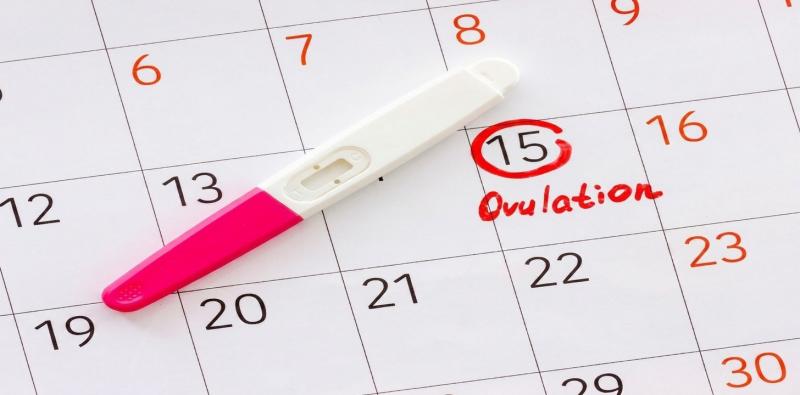
What are the signs of ovulation in women? This common question among women stems from a desire to understand the menstrual cycle and better identify the fertility window. Ovulation occurs when one of the ovaries releases a mature egg, accompanied by various hormonal and physical changes.
Signs of ovulation can vary between women and may even differ from one cycle to the next in the same woman. Thus, there isn’t a singular indicator for precisely identifying ovulation day, but observing multiple signals can provide a clearer picture of the fertile period.
When Does Ovulation Occur?
Ovulation typically happens 12 to 14 days before the start of the next menstrual cycle for many women, though the timing can vary. Relying on the 14th-day rule can lead to inaccurate estimates.
The fertility window encompasses the days leading up to and including ovulation day, as sperm can survive in the female reproductive system for several days under ideal conditions, while an egg has a shorter lifespan after release.
Key Signs of Ovulation in Women

1. Changes in Vaginal Discharge
A notable sign during the fertile window is a change in vaginal discharge. As ovulation approaches, the discharge may become more abundant, transparent, and moist, resembling egg whites.
This change is linked to rising estrogen levels, which create a favorable environment for sperm movement. After ovulation, discharge typically becomes thicker and less abundant due to hormonal changes.
2. Increased Basal Body Temperature
An indication of ovulation is a rise in basal body temperature (BBT)—the body's rest temperature measured upon waking before getting out of bed.
After ovulation, the hormone progesterone elevates slightly, often by a few tenths of a degree. This indicator differs timing-wise from vaginal discharge as the temperature rise occurs after ovulation, making it more useful for confirming ovulation patterns over several cycles rather than predicting the exact day in the current cycle.
3. Changes in Cervical Mucus
During fertility, many women notice cervical mucus becoming thinner, clearer, and more elastic. There may also be a noticeable change in the texture of the discharge.
Such changes are hormone-driven and are useful in tracking fertility windows. However, evaluating this indicator relies on personal observation and may be less evident for some women.
4. Ovulation Pain
Some women experience mild pain or tingling on one side of the lower abdomen near ovulation, known as Mittelschmerz, lasting a short period to several hours.
The pain may shift sides with each cycle, but it does not occur for all women. Mid-cycle pain alone doesn’t confirm ovulation due to various other pelvic pain causes. Severe, persistent pain or pain accompanied by unusual bleeding or fever should prompt a medical consultation to explore the cause.
5. Increased Libido
Some women note a rise in sexual desire near ovulation, likely tied to hormonal changes, along with psychological and physical factors. However, libido is influenced by factors like stress, sleep, mood, and relationship, making it an unreliable sole ovulation predictor.
6. Breast Tenderness
Around ovulation or other cycle stages, some women may feel breast pain, heaviness, or tenderness due to hormonal fluctuations. While not a definitive ovulation sign, it can be part of a recurring symptom pattern observed during certain cycle phases.

7. Bloating and Mild Physical Changes
During ovulation, some women experience bloating or mild body changes, accompanying hormonal shifts and slight fluid retention. However, bloating is non-specific and can also result from diet, digestive disorders, or upcoming menstruation, making it unreliable for pinpointing ovulation on its own.
8. Light Spotting for Some Women
Some women experience very light vaginal bleeding or spotting around ovulation due to hormonal changes, though it’s not a common sign for everyone.
It’s crucial to differentiate between light spotting and heavy, recurrent, or painful bleeding, which requires medical evaluation.
How to Accurately Identify Ovulation Days?
For determining fertility for conception or cycle tracking, relying on a single sign is insufficient. It's useful to merge monitoring vaginal discharge, tracking basal body temperature, and using home ovulation tests that detect LH hormone rise in urine.
Ovulation tests help predict approaching ovulation, while temperature tracking confirms ovulation after a sustained rise.
Additionally, recording cycle dates and symptoms in an app or diary over months helps identify personal cycle patterns beyond general calculations.
Do Transparent Discharges Mean Ovulation?
Transparent, elastic discharge doesn’t necessarily mean ovulation is happening at that moment—it often signifies increased fertility and approaching ovulation, appearing in the days leading up to it.
This discharge is a crucial fertility window marker, particularly when noticeably different from discharge at other cycle times.
Can Pregnancy Occur Outside of Ovulation Day?
Yes, pregnancy can result from intercourse in the days before ovulation, not just on egg release day, due to sperm's ability to survive within the female reproductive system for several days, forming a fertility window broader than ovulation day itself.
When Should Women Consult a Doctor?
Women with noticeably irregular cycles or no clear ovulation signs over several cycles should consider consulting a gynecologist, especially if facing conception difficulties.
Consultation is also advised for severe pelvic pain, unusual bleeding, or sudden and persistent cycle changes. Depending on the case, a doctor may suggest hormonal tests, ultrasound imaging, or other ovulation assessment methods.
In Conclusion, ovulation signs vary among women, and not all appear in every cycle. For a more precise fertility estimate, combining multiple indicators like discharge monitoring, basal body temperature, and home ovulation tests is advisable. Consultation remains key for irregular cycles, severe pain, or conception struggles to evaluate ovulation and fertility.
See also
Can Pregnancy Occur the First Time?