


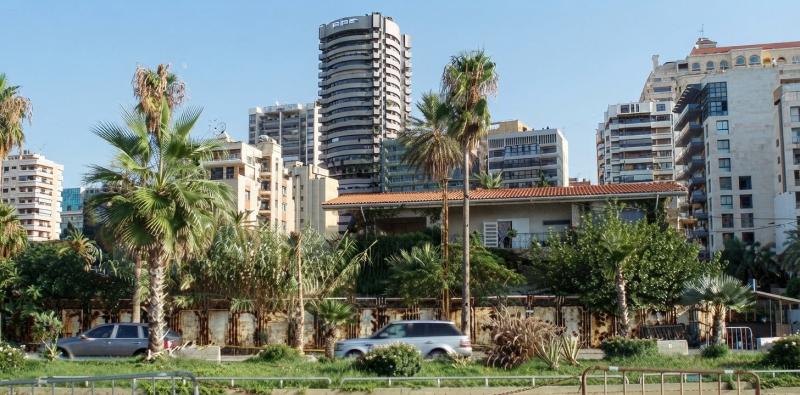
The administrative districts of Beirut represent the official division of the Lebanese capital. They encompass a variety of neighborhoods, each distinct in its history, urban character, and economic and cultural importance. From the modern waterfront to heritage neighborhoods and historic markets, each area offers a different experience that reflects the diversity and richness of Beirut's culture.
Moreover, understanding the administrative divisions of the capital is important for both tourists and residents. It helps in understanding the nature of each neighborhood and in selecting the best places for living, visiting, or investing.
How Many Administrative Districts Does Beirut Have?
Beirut is divided into 12 official administrative districts containing numerous residential, commercial, and historic neighborhoods. These districts range from business centers to waterfronts and cultural and old residential areas, making Beirut one of the most diverse cities in the Middle East.
Beirut's Administrative Districts
1. Port District
The Port District is the heart of Beirut’s maritime and commercial activities, featuring Beirut Port which has played a central role in Lebanon’s commerce for decades. It is known for its proximity to the waterfront, the historical Mar Mikhael train station, and old customs buildings that reflect the city's trading past.
2. Minet El Hosn
Located on Beirut’s western coast, Minet El Hosn is one of the capital's most upscale areas, known for its luxury hotels and modern residential towers. It encompasses Zaitunay Bay, the Phoenicia Hotel, and the St. Georges Hotel, making it a prime tourist destination in the city.
3. Downtown Beirut (Central Beirut)
Central Beirut is the political, economic, and cultural hub of the capital. It has been redeveloped post-civil war to become one of Lebanon’s leading commercial centers. The area boasts many famous landmarks such as Nejmeh Square, the Parliament, Beirut Souks, Mohammad Al-Amin Mosque, and the Saint George Cathedral, along with cafés, restaurants, and global retail outlets.
4. Ras Beirut
Ras Beirut is one of the most culturally and intellectually diverse areas of the capital. It houses prominent educational and cultural institutions and is known for Hamra Street, the American University of Beirut, Bliss Street, and the Corniche, a popular promenade along the Mediterranean Sea.
5. Dar Mreisse
Nestled between Minet El Hosn and Ras Beirut, Dar Mreisse maintains its traditional maritime charm, featuring old alleys and heritage houses along with Ain Mreisse, one of the city's most scenic seaside spots.
6. Zoqaq El-Blat
One of the oldest historic neighborhoods, Zoqaq El-Blat was historically renowned for its Beirut palaces and prestigious schools. It is home to the Grand Serail, Lebanon's government headquarters, and the Lebanese National Library, alongside numerous heritage buildings.
7. Bashoura
Strategically connecting East and West Beirut, Bashoura combines residential charm with bustling commerce. Key landmarks include Bashoura Cemeteries and the Beirut Municipality Library, plus local markets and shops.
8. Msaytbeh
One of the largest districts by area and population density, it spans a wide range of neighborhoods, hosting Sanayeh Park, also known as Rene Moawad Garden, Beirut Arab University, and numerous educational and service institutions.
9. Mazraa
One of the capital's most vibrant areas, Mazraa melds residential and commercial spaces, featuring the Mazraa Corniche, Tariq El-Jdide, and the Nasser Mosque. It is also close to Badaro, renowned for its trendy cafés and restaurants.
10. Achrafieh
Located on a hill in Beirut’s eastern part, Achrafieh is among the city's most elite residential and cultural areas, known for Sassine Square, ABC Mall, Monot Street, and Saint Joseph University, amidst many heritage buildings and upscale dining spots.
11. Rmeil
Rmeil is distinguished by its artistic and heritage vibe, stretching from northern Achrafieh to the eastern waterfront, hosting the famed Gemmayze district, a prominent cultural area, as well as Geitawi and the Saint Georges Hospital of the Orthodox community.
12. Medawar
Located in the northeast of the capital, Medawar encompasses residential and formerly industrial zones undergoing significant urban development, known for the Mar Mikhael neighborhood, a popular destination for dining and nightlife, and the Karantina area.
What Sets Beirut's Districts Apart?
Each Beirut district has a unique identity reflecting the capital's history and urban development. Some are known for governmental institutions and commercial markets, while others are famed for waterfronts, heritage buildings, or cultural and artistic life.
This diversity makes Beirut a city that unites modernity with history, allowing visitors to move within minutes between contemporary and traditionally preserved neighborhoods.
Top Tourist Areas in Beirut
While every administrative district has its unique allure, certain neighborhoods are particularly attractive to visitors. The most notable include:
- Central Beirut.
- Ras Beirut.
- Achrafieh.
- Rmeil.
- Minet El Hosn.
- Medawar.
- Dar Mreisse.
These areas provide a blend of historic landmarks, restaurants, markets, museums, and waterfronts frequented by tourists year-round.
In conclusion, Beirut's administrative districts form a complete map reflecting the cultural and architectural diversity of the Lebanese capital. From the historic port to upscale Achrafieh, cultural Ras Beirut to the bustling central city, each area possesses a unique personality that makes Beirut a city where history and modernity coexist. Familiarity with these districts offers visitors a deeper understanding of the capital, aiding in exploring its prime attractions effortlessly.
See also
Best Camping Spots in Akkar for Nature Lovers