


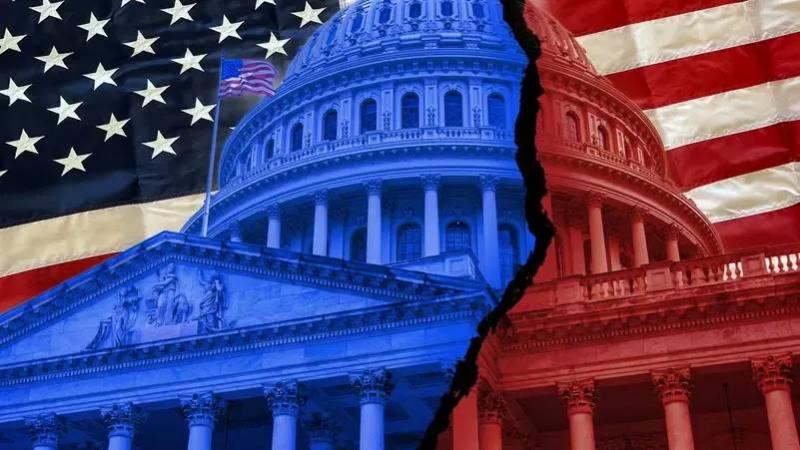
Republican anxieties are rising as the ongoing conflict with Iran threatens to become an electoral liability, potentially jeopardizing the party's prospects in the upcoming midterm elections slated for November. The military operations have persisted for six months, and there is increasing pressure over soaring fuel prices and the cost of living.
According to a Bloomberg report, Republican strategists view the continued conflict as a significant electoral test for President Donald Trump and the party, particularly since some Republican voters supported Trump in the last election based on promises to reduce inflation and avoid prolonged foreign military entanglements.
President Trump initially estimated that military actions would take four to five weeks, but as the engagement extends to six months, questions have surfaced within Republican circles about the war's objectives and its effectiveness in yielding results that can be showcased to voters before the election.
As the elections approach, where Republicans aim to maintain their Congressional majority, the issue becomes increasingly sensitive. Democratic strategists and electoral analysts believe that declining approval ratings for the administration and increasing living costs could provide the opposition with an opportunity to reclaim seats in the House and Senate, potentially limiting Trump's ability to advance his agenda during the remainder of his term.
Poll data indicates diminishing support for the war even within the Republican base. Support for military operations among Republicans fell from 77% in March to 69%, alongside Trump's approval rating at 33%, according to the report.
Electoral dynamics are also shifting in certain states previously considered Republican strongholds. On August 20, the "Cook Political Report" reclassified Senate races in Texas and Iowa as competitive, signaling that the competition might intensify in states Republicans need to retain for their majority.
Republican officials and strategists particularly fear the war's influence turning into an economic issue. As the fighting continues, gas prices and living costs dominate electoral discussions more than military and political developments related to Iran, prompting voters to assess the administration's performance based on how the war impacts their daily lives.
Despite these concerns, Republican leadership appears reluctant to publicly challenge Trump, given his strong electoral base within the party. Republicans face a delicate balancing act between defending the president's policies and maintaining the independence of their candidates in elections that could be decided by narrow margins in several states.
For Republicans, timing could be crucial. If the administration can end the war or achieve clear outcomes by November, the electoral impact might diminish. Conversely, if the conflict continues without a clear resolution, coupled with economic pressures, the Iran issue could escalate from a foreign policy topic to a central theme in American voters' decision making.
This leaves the Republican Party with a difficult equation: maintaining Trump's base support while regaining the trust of voters concerned about war and prices, before the midterms become a referendum on the administration's Iran policies.