



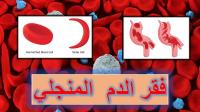
Sickle cell anemia is one of the chronic hereditary diseases affecting the blood. It occurs due to a genetic defect that changes the shape of red blood cells from their normal round shape to a crescent or sickle shape.
This change in shape makes the cells more rigid and less capable of moving through blood vessels, causing blockages in blood flow and oxygen deficiency in different parts of the body. This results in pain episodes and various health complications.
What is Sickle Cell Anemia?
Sickle cell anemia is a hereditary disorder affecting hemoglobin, the protein responsible for carrying oxygen in the blood. A genetic mutation leads to abnormal hemoglobin, causing deformation of red blood cells.
Instead of being flexible and round, the cells become sickle-shaped, losing their ability to easily pass through small blood vessels.
Causes of Sickle Cell Anemia

Main Cause
Sickle cell anemia results from a hereditary genetic mutation passed from parents to offspring.
Inheritance Method
- If a child inherits the gene from one parent → They are a carrier.
- If inherited from both parents → They suffer from the full disease.
Symptoms of Sickle Cell Anemia
Severe Pain Attacks
These occur due to blood vessel blockage by deformed blood cells.
Chronic Anemia
Caused by cells breaking down faster than normal.
Fatigue and Exhaustion
Due to oxygen shortage in the body.
Delayed Growth in Children
Resulting from nutritional and oxygen deficiency.
Frequent Infections
Caused by weakened spleen and immune system functions.
Complications of Sickle Cell Anemia
- Blood clots
- Damage to vital organs
- Lung and heart issues
- Strokes in some cases
How is Sickle Cell Anemia Diagnosed?
Diagnosis relies on:
- Complete Blood Count (CBC)
- Examining the shape of red blood cells under a microscope
- Hemoglobin Electrophoresis
- Genetic testing in some cases
Is There a Cure for Sickle Cell Anemia?
There is currently no definitive cure in most cases. However, the disease can be managed through:
- Painkillers during attacks
- Adequate fluid intake
- Blood transfusions in severe cases
- Medications to reduce cell breakdown
- Bone marrow transplant in specific cases
Difference Between Carriers and Affected Individuals
Carrier
- Has no severe symptoms
- Generally lives a normal life
Affected Individual
- Suffers from chronic symptoms and pain attacks
- Requires continuous medical follow-up
Is Sickle Cell Anemia the Same as Thalassemia?
No, sickle cell anemia is not the same as thalassemia. While both are classified as hereditary blood diseases and can result in chronic anemia, they are entirely different in cause and nature.
Main Differences Summarized
1. Sickle Cell Anemia
It's a genetic disease caused by a defect in hemoglobin shape that makes red blood cells take on a 'sickle' (crescent) shape.
- Problem: Cell shape alteration
- Result: Vessel blockage + Pain + Cell breakdown
- Appearance under microscope: Rigid, non-flexible sickle-shaped cells
2. Thalassemia
It’s a genetic disorder resulting from a deficiency or defect in hemoglobin production.
- Problem: Hemoglobin production deficiency
- Result: Small, weak cells (Microcytic anemia)
- Appearance under microscope: Small-sized, non-sickle cells
Also see:
Difference Between Iron and Iron Stores in Blood?