


The tourist attractions in Baalbek are among the key factors that make the city one of the most important historic and cultural destinations in Lebanon and the Middle East. Baalbek has successfully preserved a heritage that spans thousands of years, granting it a distinguished status among the world’s ancient cities.
Moreover, the city's diverse landmarks, ranging from Roman ruins to religious shrines and traditional markets, offer a rich experience that blends history with culture and authentic Lebanese charm.
Why is Baalbek a Unique Tourist Destination?
Located in the Beqaa Valley of Lebanon, Baalbek is famous for housing some of the greatest Roman ruins in the world. The city also features prominent religious and cultural sites and popular markets reflecting the area's historical identity. Its geographical location makes it an important stop for enthusiasts of historical and cultural tourism.
Top Tourist Sights in Baalbek
Baalbek Archaeological Complex and Baalbek Castle
The Baalbek Archaeological Complex is the city’s vibrant heart and one of UNESCO's World Heritage-listed sites. The complex houses a collection of colossal Roman temples that have remarkably retained their architectural details over the centuries.
On the other hand, Baalbek Castle offers visitors an exceptional opportunity to witness the grandeur of ancient Roman architecture and explore one of the Middle East’s prominent historical landmarks.
The Temple of Bacchus: A Roman Architectural Gem
The Temple of Bacchus is considered one of the best-preserved Roman temples globally, renowned for its massive design, intricate carvings, and decorations that have retained their beauty to this day.
Additionally, the temple is a must-visit for history and photography enthusiasts, given its architectural magnificence and unique details that showcase Roman engineering brilliance.
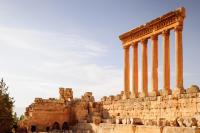
The Temple of Jupiter and Its Giant Columns
The Temple of Jupiter is one of the famous symbols of Baalbek, recognized for its six giant columns, among the largest standing Roman columns worldwide.
The site also offers visitors a splendid chance to explore the history of the Roman Empire and its significant impact on the region, along with providing breathtaking panoramic views for photography enthusiasts.
The Uniquely Designed Temple of Venus
Located outside the main sanctuary of the archaeological complex, the Temple of Venus stands out for its circular design, differing from the other Roman temples in the city. Its smaller size compared to the other temples adds a distinct charm that attracts those interested in ancient architectural arts, making it a unique exploration within Baalbek.
Baake Archaeological Complex Museum
The museum houses a collection of statues and artifacts discovered in the area within an archaeological tunnel beneath the Roman castle. Moreover, the museum provides visitors with insights into ancient life and the civilizations that have passed through the city over different periods.
The Stone of the Pregnant Woman: One of the Largest Carved Stones in the World
The Stone of the Pregnant Woman is one of Baalbek’s notable unique historical landmarks, located in ancient Roman quarries near the city. This stone is famous for its extraordinary size, considered one of the largest carved stones known to the ancient world, attracting researchers and historians worldwide.
Old Ottoman Houses
The old Ottoman houses carry distinctive architectural features that reflect the city’s history during the Ottoman era. Some of these houses have become heritage hotels that still maintain their traditional beauty. Meanwhile, these buildings allow visitors to experience authentic historical atmospheres that transport them to different eras.
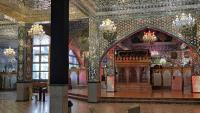
Lady Khawla Shrine
The Lady Khawla Shrine is one of Baalbek’s important religious sites, noted for its stunning Islamic architecture and beautiful decorations. The shrine attracts thousands of visitors annually, for religious purposes or to enjoy the Islamic architectural marvels of this notable monument.
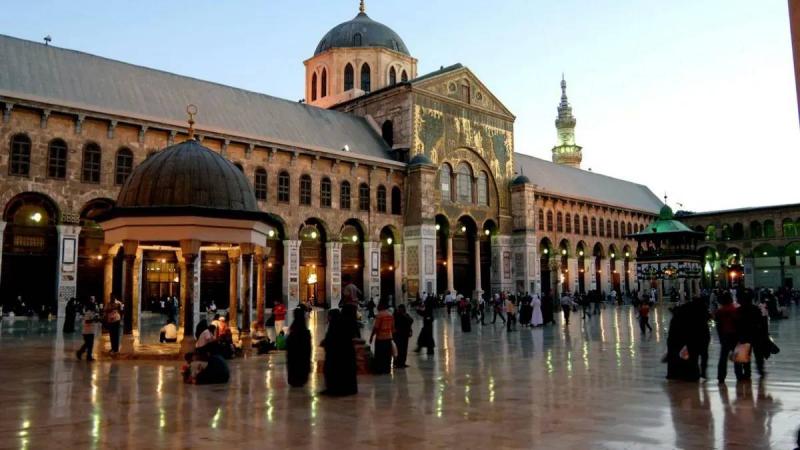
The Great Umayyad Mosque
The Great Umayyad Mosque dates back to the early Islamic conquest, standing as one of the region's oldest historical mosques. Beyond its religious significance, the mosque is a critical testament to the evolution of Islamic architecture in Lebanon, making it a significant stop for those interested in Islamic history and culture.
Baalbek Old Heritage Market
The heritage market is one of the city’s most vibrant spots, with traditional shops offering local products and souvenirs. Here, visitors can taste the famous Baalbek delight and savor the lively atmospheres reflecting the city’s authenticity and rich history.
When is the Best Time to Visit Baalbek?
Spring and autumn are considered the best times to visit Baalbek due to the mild weather, perfect for exploring the archaeological sites and wandering through the old markets. Additionally, the city hosts cultural events and art festivals during the summer, attracting visitors from all over the world.
Important Tips Before Visiting Baalbek
Comfortable footwear is recommended due to the extensive walking required around the archaeological sites. It’s also advisable to dedicate a full day to explore the main attractions and enjoy the city’s heritage atmospheres fully.
Moreover, carrying a camera or smartphone to capture images is worthwhile, as the archaeological sites offer exceptional views for photography enthusiasts.
In conclusion, Baalbek remains one of the most significant historical cities in Lebanon and the Arab world. Where ancient civilizations intertwine with a rich cultural and religious heritage, visiting Baalbek in 2026 offers a great chance to uncover one of the greatest archaeological treasures that continue to bear witness to the grandeur of ancient civilizations.
See Also
The Most Beautiful Lebanese Villages Worth Visiting