


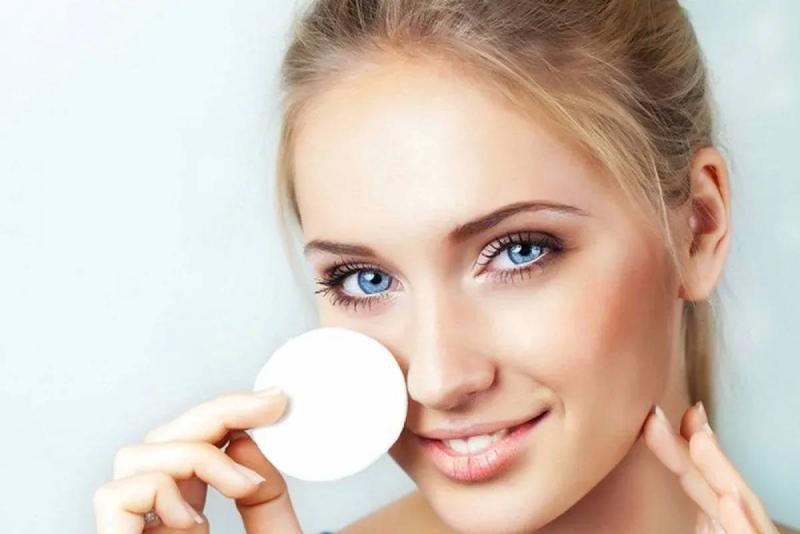
Removing makeup is a crucial step in daily skincare. It's not only about eliminating cosmetic products but also about protecting the skin from impurities and oils that can clog pores and cause breakouts and inflammation.
With the significant progress in skincare products, there are now a variety of effective options for makeup removal, ranging from double cleansing techniques to micellar water and natural oils.
Why Should Makeup Be Removed Daily?
Daily, the skin is exposed to dust, pollution, and natural oils produced by sebaceous glands. When these factors mix with makeup residues, impurities may accumulate in the pores, leading to various skin issues.
Moreover, wearing makeup for extended periods—or sleeping with it—can cause dull skin, blackheads, and increase the likelihood of irritation around the sensitive eye area.
Double Cleansing: The Most Effective Method
Step One: Oil Cleanser
Apply cleansing oil or a makeup remover balm to dry skin, then gently massage the face in circular motions. This step helps dissolve the foundation, lipstick, mascara, and accumulated oils easily without harsh scrubbing.
Step Two: Water-Based Cleanser
After removing the primary makeup layer, wash the face using a gentle, foamy cleanser or gel suitable for your skin type to further remove any remaining residue and deeply clean the pores for refreshed skin.
Micellar Water: A Practical Choice for Daily Makeup
Micellar water is widely used to remove light to medium makeup. Its formula relies on fine particles that attract dirt, oils, and cosmetics without the need for vigorous scrubbing.
Additionally, this product is suitable for most skin types, including sensitive skin, especially when choosing fragrance-free and alcohol-free formulas.
Biphasic Makeup Removers
These products are specifically used to remove waterproof makeup and generally consist of two separate layers combining oily and watery ingredients, making it easy and quick to break down long-lasting mascara and eyeliner, hence, they're ideal for those wearing heavy eye makeup.
When Are Makeup Removal Wipes Suitable?
Makeup removal wipes offer a quick solution during travel or emergencies. However, they are not recommended for daily use as they might not thoroughly remove all impurities.
Moreover, some types contain ingredients that may cause dryness or irritation with frequent use, so they should be used as a temporary measure followed by a suitable cleanser whenever possible.
Best Natural Ways to Remove Makeup
Some women prefer natural alternatives for makeup removal, especially when avoiding certain chemicals.
Coconut Oil
Coconut oil is one of the most popular natural choices for dissolving heavy makeup and waterproof mascara, also providing moisture during the cleansing process.
Olive Oil
Olive oil is known for removing stubborn makeup while offering moisturizing and nourishing benefits to the skin. Use a small amount and gently wipe the face with a soft cotton pad.
Petroleum Jelly
Petroleum jelly aids in the safe removal of eye makeup and false eyelash glue without irritating the sensitive area around the eyes.
Milk
Milk contains lactic acid, which gently cleanses the skin and removes some surface impurities.
Rose Water
Rose water is used as a refreshing step after makeup removal, helping soothe the skin and restore its freshness.
The Correct Way to Remove Eye Makeup
The eye area is one of the face's most sensitive parts, requiring special care during makeup removal.
Avoid Heavy Scrubbing
Harsh scrubbing can irritate the delicate skin around the eyes and may contribute to early wrinkle formation.
Use Cotton Pads Properly
Wet a cotton pad with makeup remover, then place it over the closed eyelid for about 30 seconds. Afterward, gently wipe to dissolve makeup without excessive pressure.
Areas Not to Overlook During Cleansing
Most women focus solely on the face while some areas remain prone to residual makeup buildup.
Hairline
Makeup products can accumulate along the hairline, increasing the likelihood of small breakouts.
Neck and Jawline
These areas need to be cleaned thoroughly as they're often exposed to leftover foundation and powder.
Sides of the Nose
Makeup tends to gather around the nose, needing extra attention during cleansing.
Common Mistakes in Makeup Removal
Sleeping with Makeup
Sleeping with makeup on is one of the most common and detrimental mistakes for skin health.
Using Inappropriate Products
Harsh or unsuitable products for your skin type can lead to dryness and redness.
Excessive Rubbing
Frequent and harsh rubbing can irritate the skin and weaken its natural barrier.
Using Baby Wipes
Baby wipes are not designed to remove makeup or break down heavy oils, so they aren't a suitable replacement for specialized makeup removers.
The Importance of Moisturizing After Makeup Removal
After cleansing, moisturizing is a step equally significant to the cleaning process. Applying a moisturizer or nourishing serum helps restore skin balance, maintain natural barriers, and reduce the risk of dryness.
Furthermore, regular moisturizing enhances the skin's glow and helps maintain its elasticity and healthy appearance.
How to Choose the Best Makeup Remover According to Skin Type
Dry Skin
Opt for cleansing oils or balms rich in moisturizing ingredients.
Oily Skin
Light products like micellar water or oil-free gel cleansers suit oily skin.
Sensitive Skin
Use gentle, fragrance-free, and alcohol-free formulas to reduce irritation risk.
Combination Skin
Double cleansing helps balance oil removal and moisturizing dry areas.
In conclusion, correctly removing makeup is vital to maintaining healthy, radiant skin over the long term. Sticking to a daily cleansing routine appropriate for your skin type prevents pore blockages, reduces skin problems, and retains facial brightness. Moisturizing remains essential after cleansing to ensure a healthy, balanced complexion every day.
Also Watch
How to Get Rid of Dark Circles