


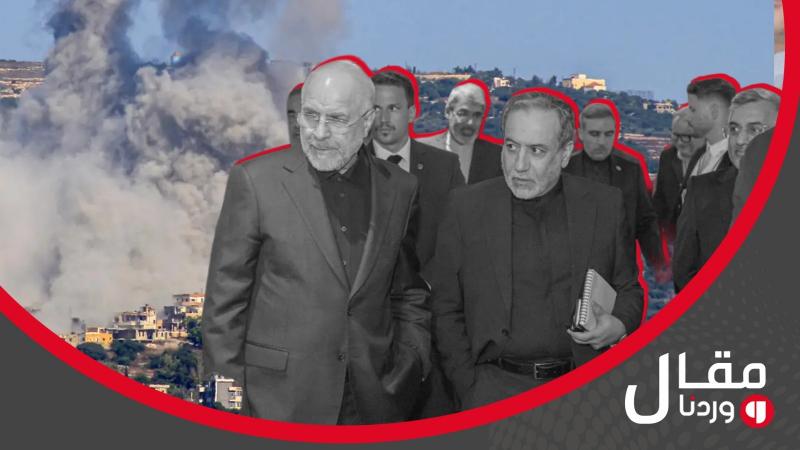
As Washington gears up to host a new round of Lebanese-Israeli negotiations, focusing on stabilizing the ceasefire and discussing withdrawal plans and "test zones" for Lebanese army deployment, a meeting held in Switzerland reportedly made significant progress towards ending the war in Lebanon.
The U.S.-facilitated negotiations between Lebanon and Israel underscore Lebanon's assertion of its sovereignty. President Joseph Aoun emphasized that only the state of Lebanon negotiates on its behalf, prioritizing ceasefire stabilization, the end of Israeli violations, and the completion of withdrawal from occupied Lebanese territories.
Meanwhile in Switzerland, discussions on a U.S.-Iran memorandum of understanding include a total halt to military operations involving Lebanon. Concern arises that the U.S. might be prioritizing its regional interests by "selling out" Lebanon to Iran, maintaining Iran's influence through proxies like Hezbollah.
The negotiations present complex and unclear challenges, raising questions about Iran's intentions to sustain its influence in Lebanon and the potential repercussions of U.S. concessions. Whether the talks in Switzerland complement or contradict those in Washington remains uncertain.
According to Hashem Qutub, director of the Lebanese Center for Research and Consulting, Iran's engagement in the Swiss negotiations indicates a willingness to meet American demands, possibly to ease its economic restrictions and avoid further destabilization. Iran seems to use Lebanon as a negotiation chip to enhance its bargaining position, seeking a political and economic solution with the U.S., potentially at the expense of Hezbollah's position.
The ongoing U.S.-Iran negotiations are crucial for both nations, reflecting the U.S.'s strategy to alter Iran’s political framework without a direct military confrontation. This aligns with Israel's goal to establish new security dynamics with Lebanon and prevent Iran from igniting conflicts at will.
Hezbollah aims to maintain its Iranian-backed role, challenging negotiation efforts between Lebanon and Israel in Washington. The group faces logistical challenges in providing for displaced populations and reconstruction due to lack of financial support from Iran.
Amid escalating regional tensions and strategic interests, Lebanon teeters on the brink of potential unrest, warned Qutub, highlighting the complexities of Iranian ambitions, Israeli objectives, and U.S. interests in the volatile climate.