


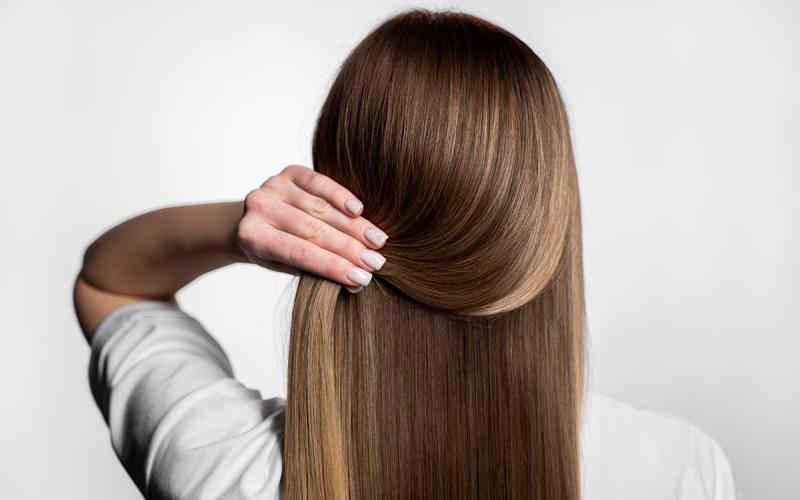
Caring for dyed hair is a significant concern for women after changing their hair color. Dyed strands require a special routine to maintain the color's vibrancy and prevent dryness and split ends caused by chemicals.
Post-dye hair becomes more sensitive to external factors like heat, frequent washing, and sunlight. Therefore, following a suitable routine for dyed hair is essential to preserve its health and beauty, extending the color's life and delaying its fading.
Why Does Dyed Hair Require Special Care?
Dyes affect the outer layer of the hair, making it more prone to dryness and loss of natural moisture. Frequent washing and using unsuitable products can quickly strip the color and lead to frizz and split ends.
Moreover, dyed hair requires constant hydration and deep nourishment to compensate for chemical damage and maintain its healthy and shiny appearance.
Proper Dyed Hair Washing Routine
Delay Washing After Dyeing
It's advisable to wait 72 hours after dyeing before using shampoo for the first time to allow the color to penetrate deeply into the hair fibers and set better.
Use Sulfate-Free Shampoo
Choosing a shampoo and conditioner specifically for dyed hair is crucial for color maintenance. Products labeled "Sulfate-Free" are preferred, as sulfates can strip natural oils and hasten the dye's fading.
Reduce Washing Frequency
Washing hair daily can lead to quick color loss. Thus, it's recommended to wash hair only two to three times a week, using dry shampoo between washes to keep hair fresh.
Avoid Hot Water
Hot water can open the outer hair layer, allowing dye molecules to escape quickly. It's recommended to use lukewarm or cold water to maintain color and shine for longer.
Deeply Hydrate and Nourish Dyed Hair
Dyed hair needs ongoing hydration to restore its vitality and reduce the likelihood of breakage and split ends.
Use Conditioner Every Wash
Nourishing conditioner helps replenish lost moisture and smooth out dry ends, focusing on the hair tips prone to damage.
Apply a Weekly Moisturizing Mask
Using a deep-conditioning mask weekly aids in repairing dye damage and enhancing hair softness.
Some of the best natural masks include:
Avocado and Almond Oil Mask
Avocado contains healthy fats and vitamins that deeply nourish hair, while almond oil moisturizes strands and reduces frizz.
Prepare the mask by mashing a ripe avocado and adding a tablespoon of almond oil. Apply the mixture to your hair for half an hour before washing.
Argan Oil and Coconut Oil
Argan oil restores hair shine, while coconut oil strengthens strands and reduces breakage and protein loss.
Use Leave-In Products
Moisturizing creams and serums are effective ways to protect hair throughout the day, reduce tangles, and give hair a softer, more vibrant appearance.
Habits to Avoid to Preserve Hair Color
Avoid Using Heat Styling Tools without Protection
High heat from hair dryers or flat irons can damage hair and accelerate color fading. Therefore, applying thermal protection spray is a vital step before any styling.
Protect Hair While Swimming
Chlorine in swimming pools can react with dye, altering hair color and causing dryness. Wearing a swimming cap or rinsing hair with clean water before swimming is advised.
Regularly Trim Hair Ends
Trimming hair every six to eight weeks helps remove split ends, maintain a healthy appearance, and prevent damage from extending to other strands.
Additional Tips for Maintaining Dyed Hair
Simple habits contribute to maintaining dyed hair's health for extended periods.
- Avoid prolonged sun exposure.
- Use silk or satin pillowcases to reduce friction while sleeping.
- Drink enough water to keep hair hydrated from the inside.
- Consume protein-rich and vitamin-rich foods to support hair growth and strength.
- Avoid excessive use of styling products containing alcohol.
When Does Dyed Hair Need Intensive Care?
If there's increased breakage, severe dryness, or noticeable loss of shine, hair may need deep repair sessions or specialized treatments for damaged hair. A hair care professional can help determine the most suitable routine based on the hair type and dye used.
In conclusion, caring for dyed hair isn't just about maintaining color but also protecting the strands from dryness and damage, restoring their natural softness. Thus, daily care is the key to maintaining vibrant and shiny dyed hair.
See also