



Sleeping with makeup on is a concern frequently highlighted by dermatologists and skincare experts. Leaving cosmetic products on overnight hinders the skin's natural processes, causing oils and impurities to clog pores.
During sleep, the skin needs renewal and the removal of damaged cells. Layers of makeup obstruct these natural processes. Moreover, makeup traps dirt, pollutants, and free radicals the skin encounters throughout the day, increasing gradual skin damage over time.
How Does Sleeping with Makeup Affect Skin Health?
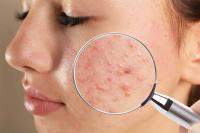
Acne and Breakouts
Clogged pores are a primary negative effect of sleeping with makeup. Product residues mix with natural oils and dead skin cells, leading to blackheads, whiteheads, and acne outbreaks.
Additionally, closed pores create an environment conducive to bacterial growth, exacerbating skin inflammation and making acne harder to treat.
Accelerated Wrinkle Formation and Premature Aging
The skin is consistently exposed to free radicals from pollution, sunlight, and environmental factors. When makeup remains overnight, harmful molecules remain attached to the skin, weakening collagen and elastin, crucial for skin elasticity. Over time, wrinkles and fine lines appear more rapidly, and the skin loses its youthful radiance.
Skin Dryness and Irritation
Accumulated makeup prevents the skin from fully benefiting from nighttime moisture and care, disrupting its natural balance. Signs of dryness, peeling, and redness may appear, particularly in sensitive skin, making it more susceptible to irritation.
Loss of Skin Radiance and Dullness
The skin requires nighttime shedding of dead cells for rejuvenation, and makeup obstructs this essential function, resulting in a tired and dull morning appearance, with sometimes escalating skin roughness.
Effect of Sleep Makeup on Eyes
The eye area is notably sensitive, and leaving mascara and eyeliner overnight can cause bothersome and painful issues.
Eye Irritations and Redness
During sleep, mascara and eyeliner particles may penetrate the eyes, causing itchiness, redness, and swelling. In severe cases, it can lead to conjunctivitis or painful styes. Lens wearers face heightened risks for eye infections if sleeping with makeup becomes habitual.
Eyelash Weakening and Loss
Leaving mascara on for extended periods results in dry, brittle lashes prone to breakage. Repeated incidents may present in women as reduced lash density and growth.
Impact on Lips
The damages extend beyond skin and eyes and affect the lips.
Lip Dryness and Cracking
Certain long-lasting lipsticks draw natural moisture from the lips. Having them overnight leads to cracking and peeling, with lips becoming more sensitive and losing their natural health over time.
How to Protect Your Skin from Sleep Makeup Damage?
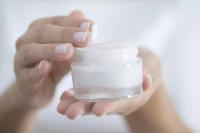
Proper Face Cleansing
Removing makeup before bed is crucial for skin health, using appropriate makeup remover followed by gentle cleansing.
Moisturize
Night creams restore lost moisture, enhancing nightly cellular renewal.
Gentle Eye Area Cleaning
Deploy specific products for sensitive eye areas to prevent skin irritation and lash fallout.
Regular Pillow Case Changes
Since pillowcases gather makeup and bacteria, washing them regularly minimizes acne and inflammation risks.
Does One Time Sleeping with Makeup Cause Harm?
Occasionally, a night with makeup might not cause severe problems but may temporarily congest pores or slightly dry the skin. However, frequently recurring habits lead to cumulative damages affecting long term skin health and aesthetics.
In conclusion, while makeup removal appears a minor task, it's vital for preserving skin, eye, and lip health. Dedicating time before sleep for skin cleaning proves a true investment in skin youthfulness and problem prevention.
See Also