



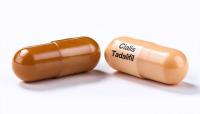
Cialis (Tadalafil) is one of the most popular medications used for treating erectile dysfunction and benign prostatic hyperplasia. It belongs to the PDE5 inhibitors class, enhancing blood flow to targeted tissues. Its long-lasting effectiveness makes it a popular choice among many patients under medical supervision.
Despite its effectiveness, using Cialis requires a thorough understanding of its mechanism and appropriate dosages, along with careful consideration of potential drug interactions. Following medical guidelines is crucial for minimizing risks and achieving optimal therapeutic results.
How Does Cialis (Tadalafil) Work?
Cialis relaxes smooth muscles within blood vessels, increasing blood flow to particular body areas, especially the male organ, aiding in erection during sexual stimulation.
It also improves blood flow in the prostate and bladder area, reducing symptoms associated with benign prostatic hyperplasia.
Medical Benefits and Uses of Cialis
Treating Erectile Dysfunction
Cialis is primarily used for managing erectile dysfunction, enhancing the ability to achieve and maintain an erection during sexual arousal.
Alleviating Prostatic Hyperplasia Symptoms
The medication helps relieve urinary symptoms associated with prostate enlargement, such as difficulty urinating, frequent nighttime urination, and weak urine flow.
Long-Lasting Effect
Cialis is noted for its prolonged duration, potentially lasting up to 36 hours, offering more flexibility compared to other medications and reducing the precise timing needed before intercourse.
Other Uses
In specific medical cases, Cialis may be used to treat pulmonary arterial hypertension under specialized medical supervision and in designated doses.
Side Effects and Risks of Cialis
Common Side Effects
-Headache.
-Indigestion.
-Muscle aches and lower back pain.
-Facial flushing.
-Nasal congestion or runny nose.
These symptoms are usually temporary and subside with ongoing use or dosage adjustment.
Serious Side Effects
In rare instances, symptoms that require immediate medical attention may occur, such as:
-Prolonged, painful erection lasting more than 4 hours.
-Sudden hearing or vision loss.
-Chest pain or severe dizziness.
-Swelling of the face or breathing difficulties due to an allergic reaction.
Cialis Usage and Dosages
Appropriate dosage depends on health condition and doctor assessment, and self-adjustments should not be made.
As Needed Use
A 10 or 20 mg dose is taken about 30 minutes before sexual activity, ensuring not to exceed one dose within 24 hours.
Daily Use
In some cases, lower doses, like 2.5 or 5 mg daily, are used, particularly for treating prostate enlargement or ensuring consistent performance without prior planning.
Important Guidelines
-Can be taken with or without food.
-The tablet should be swallowed whole with water.
-Sexual stimulation is necessary for the medication to work effectively.
Warnings and Contraindications
Interaction with Nitrate Medications
Cialis should not be used with nitrate medications for heart conditions, as this may cause a dangerous drop in blood pressure that can be life-threatening.
Chronic Conditions
It is essential to inform your doctor of any heart, kidney, or liver conditions before using the medication.
Alcohol
It is recommended to avoid alcohol while using Cialis, as it might increase the likelihood of dizziness and lowering blood pressure.
Is Cialis Suitable for Everyone?
Cialis is not suitable for everyone. Its use depends on medical evaluation of the condition, and some patients might require alternative treatments or dosage adjustments depending on their response.
In conclusion, Cialis (Tadalafil) is an effective option for treating erectile dysfunction and prostate enlargement due to its long-lasting effect and high efficacy. However, its use must be cautious and under medical supervision to avoid potential risks.
Following the correct dosage and avoiding drug interactions are essential for safe use and optimal results. In all cases, medical diagnosis remains the most crucial step before commencing treatment.
See Also
How to Use Viagra for Best Results