


Land prices in Lebanon, a topic of significant interest to investors and potential homeowners, vary greatly across the country. The difference in price per square meter between Beirut and rural or mountain areas can reach thousands of dollars.
Several factors affect land prices in Lebanon, including location, zoning, proximity to roads and services, and local demand. It's essential to understand average prices before making a purchase decision.
Average Land Prices by Region
Beirut
Beirut is the most expensive region for land acquisition, especially in the city center and upscale commercial and residential districts.
Average Prices: $2,000 to over $10,000 per square meter.
Strategically located commercial lands command the highest prices, and scarcity of buildable lands keeps values high.
Mount Lebanon
A top choice for villas and residential complexes, Mount Lebanon includes areas like Metn, Keserwan, Baabda, and Chouf.
Average Prices: $200 to $1,000 per square meter.
Prices can exceed this range in scenic locations with sea or mountain views, supported by good infrastructure and services.
North
In the North, prices vary between coastal cities and inland villages.
Average Prices: $30 to $300 per square meter.
Land near cities or the coast is more expensive, whereas remote villages offer budget-friendly options.
South
Prices in the South depend on proximity to cities or tourist areas.
Average Prices: $20 to $250 per square meter.
Main cities and coastal areas have higher prices, while interior villages are more cost-effective.
Bekaa
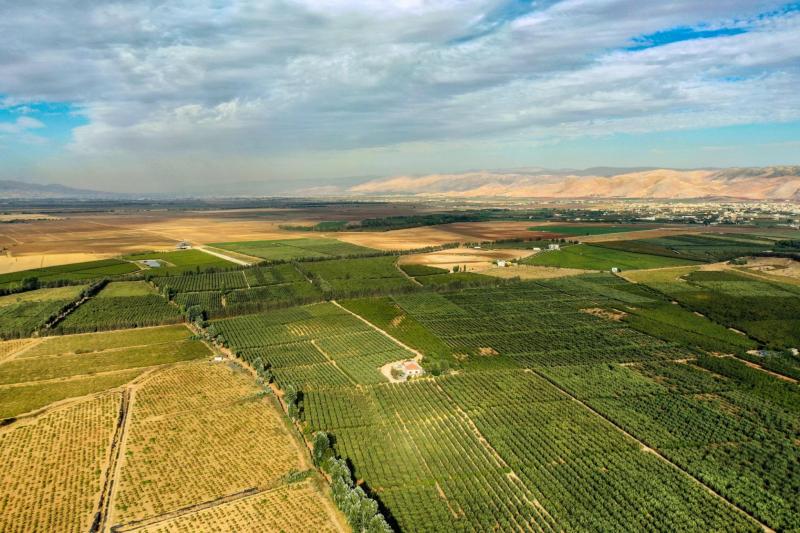
Bekaa offers reasonably priced lands for both residential and agricultural purposes.
Average Prices: $15 to $150 per square meter.
Agricultural lands are generally cheapest, with values increasing near main roads and services.
Agricultural Land Prices in Lebanon
Attractive to investors and farmers, agricultural lands in Bekaa, Akkar, and the South start at under $10 per square meter, with higher prices for properties with:
- Water sources.
- Paved roads.
- Electricity and services.
- Potential for future zoning changes.
Factors Influencing Land Prices
Land prices are influenced by more than just location. Considerations include:
- Location within the region.
- Zoning type (residential, commercial, industrial, agricultural).
- Proximity to main roads and services.
- Sea or mountain views.
- Land size and shape.
- Allowed investment ratio.
- Real estate market conditions and demand.
Fees and Costs When Buying Land in Lebanon
Beyond the land price, additional costs include:
- Property registration fees.
- Municipal fees.
- Stamp duty fees.
- Notary fees when needed.
- Legal or real estate agent fees.
- Administrative fees for ownership transfer.
Is Buying Land in Lebanon a Good Investment?
The suitability of buying land depends on your purpose, whether it's:
- Future home construction.
- Long-term investment.
- Developing a touristic or commercial project.
- Agricultural investment in rural areas.
- Buying in potential growth areas.
Study the location thoroughly and verify legal and regulatory compliance before purchase.
Conclusion
Land prices in Lebanon reflect the real estate market's diversity, varying distinctly between the capital, mountain, and rural areas, as well as between residential, commercial, and agricultural lands. Choosing the right land involves considering not just price but the purpose, available services, and future development potential.
Before investing, check zoning plans, ensure legal documentation integrity, and compare prices across regions for the best value within budget.
See Also
Suitable Lebanese Areas for Real Estate Investment