


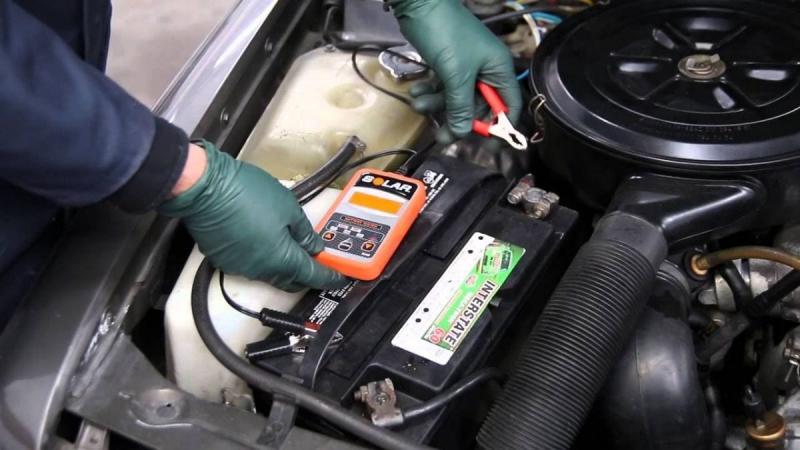
Car batteries play a crucial role in the electrical system, providing the necessary power to start the engine and run various electrical and electronic systems. Over time and with regular use, however, batteries naturally lose their ability to hold a charge.
Visible signs often appear before a battery fully fails. Paying attention to these indicators can help drivers replace the battery in time, avoiding unexpected vehicle breakdowns.
What is the Lifespan of a Car Battery?
Most car batteries last between 3 to 5 years, although this can vary based on battery quality, climate conditions, usage frequency, driving habits, and maintenance of the electrical system.
Signs of Car Battery Damage

1. Difficulty Starting the Engine
Having trouble starting the engine or needing several attempts is a common sign of a weak battery. The battery may not be providing enough current to start the engine quickly.
2. Dim Headlights
If you notice the headlights are dimmer than usual, especially when starting the engine or using multiple electrical devices simultaneously, a weak battery might be to blame.
3. Battery Light on Dashboard
The battery icon lighting up on the dashboard could indicate a problem with the battery or charging system, such as the alternator or electrical connections. Immediate inspection is recommended.
4. Failure of Electrical Systems
A weak battery can slow down electric windows, reduce entertainment system performance, or cause other electronic accessories to malfunction.
5. Clicking Noise When Starting
If a clicking noise is heard when turning the ignition key without the engine starting, the battery might not provide the necessary power to start.
6. Swollen or Deformed Battery Case
Exposure to high temperatures or overcharging can lead to battery swelling or deformation, necessitating immediate replacement.
7. Corroded Battery Terminals
White or blue deposits around battery terminals can cause poor electrical connections, impacting performance. Regular cleaning and battery checks are necessary.
8. Frequent Need for Jump Starts
Regularly requiring an external battery or jumper cables to start the car suggests the battery might be nearing the end of its life.
Causes of Car Battery Damage

1. End of Shelf Life
Over the years, a battery's ability to retain charge diminishes.
2. Leaving Lights or Electrical Devices On
Forgetting to turn off lights or systems while the car is parked drains the battery.
3. High Temperatures
Extreme heat accelerates the decomposition of the battery's internal components.
4. Infrequent Car Use
Letting the car sit unused for long periods can lead to battery discharge.
5. Charging System Malfunction
An alternator issue can either prevent the battery from charging properly or cause overcharging.
How to Ensure Battery Health
A voltmeter check can assess battery health, which should read around 12.6 volts when the engine is off. A professional check is advised if any signs of weakness appear.
See also: