


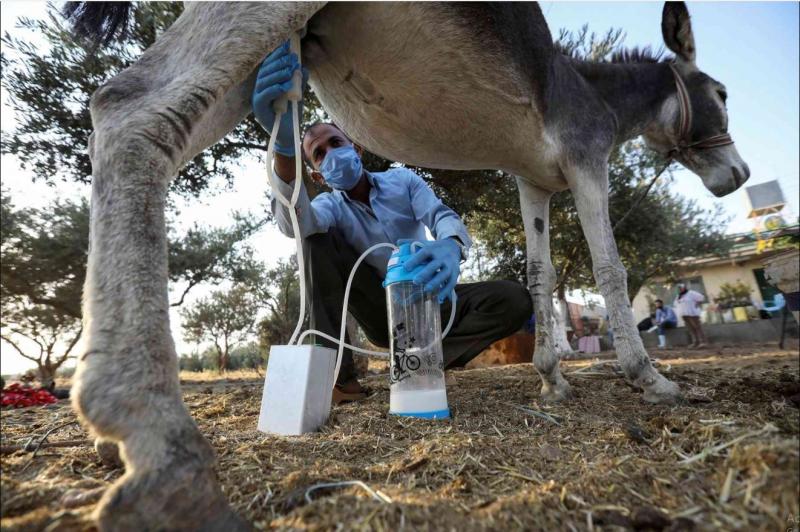
Donkey milk, historically used in certain cultures, is a rare type of milk that has gained modern interest due to its resemblance to human milk in certain properties and its unique nutritional compounds. It is also used in skincare products for its proteins and vitamins.
While the potential benefits of donkey milk are noted, scientific studies on its health effects remain limited compared to cow or goat milk. Thus, it should not be viewed as a cure for any disease but rather a potential dietary supplement in a balanced diet.
Health Benefits of Donkey Milk
1. May Support Immune System Health
Donkey milk contains protein compounds and bioactive components like lactoferrin and lysozyme, which are associated with bolstering the body's natural defenses. Some studies suggest these compounds may help combat certain bacteria, though more research is needed to verify their effects on humans.
2. Contains Important Nutrients
Donkey milk is rich in a range of nutrients including:
- Protein
- Calcium
- Phosphorus
- Potassium
- Vitamins such as Vitamin A and some B vitamins
These nutrients support various bodily functions, such as bone health and energy production.
3. Potential Option for Those Allergic to Cow's Milk
Some research indicates donkey milk's composition differs from cow's milk and may be more tolerable for individuals with cow milk protein allergies. However, it is not suitable for everyone with allergies, and medical consultation is recommended, especially for children.
4. May Benefit Skin Health
Donkey milk is used in certain skincare products, like soaps and creams, due to its proteins, vitamins, and moisturizing compounds. These products may improve skin hydration and texture, though scientific evidence on its topical effects is still limited.
5. Lower Fat Content Compared to Some Milks
Typically lower in fat than full-fat cow's milk, donkey milk offers a different choice for those mindful of their dietary fat intake. Nonetheless, its nutritional impact depends on the amount consumed and the overall diet.
6. Potentially Easier to Digest for Some
With a composition somewhat similar to human milk, donkey milk's proteins differ from those in cow's milk, potentially making it easier to digest for some individuals. However, those with lactose intolerance may still experience symptoms since donkey milk contains lactose.
Nutritional Value of Donkey Milk
Donkey milk contains:
- High water content
- Proteins
- Natural sugars like lactose
- Minerals such as calcium and phosphorus
- Some vitamins
Its nutritional value can vary based on the donkey breed, farming methods, and production conditions.
Risks and Precautions of Donkey Milk
Despite its potential benefits, some precautions should be observed:
Contamination Risk
As a less common commercial milk, ensuring its source and production method are safe is crucial. Pasteurization is preferred to minimize bacterial risks.
Not Suitable for All with Milk Allergies
Despite its differing composition from cow's milk, donkey milk may trigger allergies in certain individuals sensitive to milk proteins.
High Cost and Limited Availability
Being a rare type of milk, donkey milk often has a higher price compared to conventional milk.
Related Articles: