


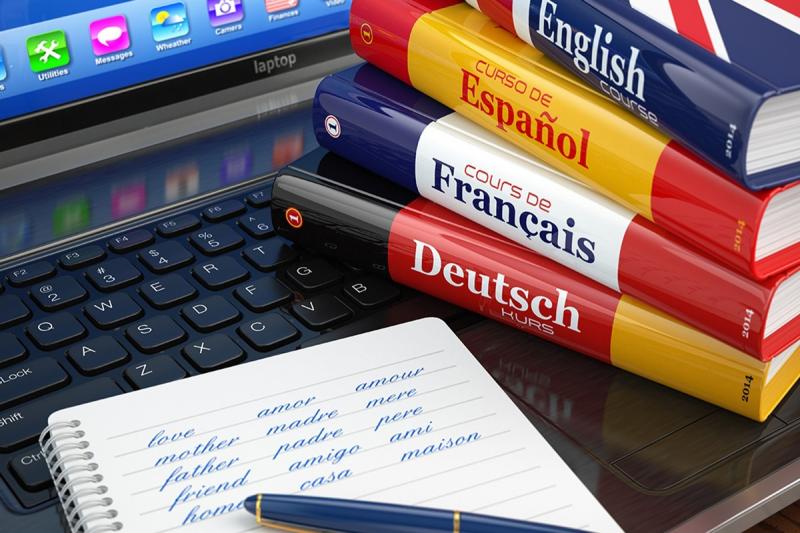
Languages are a crucial consideration for those seeking better career opportunities and higher salaries in the Gulf region's job markets. With the rapid economic and technological transformation in Gulf countries, companies are searching for employees with diverse language skills to communicate effectively with clients and partners from various nationalities.
Lebanese individuals enjoy a competitive edge due to their mastery of multiple languages. This proficiency opens up numerous opportunities in administrative, commercial, technical, educational, and media sectors. Therefore, language skills have become a significant investment in one's professional future.
Why Are Languages Important in the Gulf Job Market?
In recent years, the Gulf countries have seen substantial foreign investments and the expansion of multinational corporations, increasing the need for personnel capable of multilingual communication.
Additionally, large economic projects and national development visions, such as Saudi Vision 2030, have elevated the demand for employees who combine professional expertise with effective global market communication skills.

English: The Leading Business Language in the Gulf
English is at the top of the list of most sought-after languages in Gulf job markets and is a basic requirement in most high-paying positions.
International firms and major institutions primarily use English for correspondence, meetings, and project management, making it a critical factor for securing notable job opportunities.
Key Sectors Needing English
- Technology and Artificial Intelligence.
- Cybersecurity and Software Development.
- Banking and Investment Services.
- Management Consulting.
- Engineering and Major Projects.
- Multinational Companies.
The Importance of English for Lebanese
Many Lebanese have a solid foundation in English, but true distinction lies in mastering professional and technical terminology. As a result, job prospects and advancement opportunities significantly increase for those proficient in professional communication in English.
Classical Arabic: A Skill Increasingly in Demand
Despite the widespread use of English, classical Arabic continues to hold significant importance in Gulf job markets. With the acceleration of localization programs, the demand has risen for professionals capable of producing content, crafting reports, and official communications in Arabic.
Key Sectors Needing Arabic
- Media and Journalism.
- Digital Marketing and Content Creation.
- Public Relations.
- Government Agencies.
- Legal Institutions.
- Education Sector.
Why Lebanese Excel in This Field
Lebanese professionals are renowned for their aptitude in media, advertising, and marketing, combining linguistic creativity with the adept use of both Arabic and English, making them sought-after by many Gulf institutions.
French: A Competitive Advantage in Luxury Sectors
Although French is not a primary language in the Gulf, it offers significant advantages in certain specialized sectors. Many global companies and brands seek employees proficient in French to engage with international clients and partners, especially in luxury goods and services markets.
Key Sectors Needing French
- Luxury Hotels and Hospitality.
- Global Brands.
- High-End Fashion and Jewelry.
- International and French Schools.
- International Organizations and Diplomacy.
Value of French for Lebanese
French provides Lebanese candidates with an opportunity to excel in roles targeting high-income clients, aiding in a successful career path within high-end sectors reliant on personal service and international communication.
Mandarin Chinese: The Language of New Economic Opportunities
With China becoming a major economic partner for the Gulf countries, demand has surged for speakers of Mandarin Chinese. As Chinese companies expand in the region, there is an increased need for personnel to facilitate business communication and manage relationships with Chinese suppliers and partners.
Key Sectors Needing Chinese
- International Trade.
- Import and Export.
- Logistics Services.
- Supply Chains.
- Technology and Communications.
Future Growth Prospects
Experts predict continuous growth in demand for Chinese speakers in the years ahead as Chinese investments in the Middle East grow.

Russian: A Strong Opportunity in the UAE and Gulf
The UAE and other Gulf countries have seen a significant rise in Russian and Eastern European investors and tourists, making Russian a sought-after language in sectors directly engaging with these groups.
Key Sectors Needing Russian
- Luxury Real Estate.
- Tourism and Travel.
- High-End Hospitality.
- Wealth Management.
- Financial and Consulting Services.
The Importance of Russian for Lebanese
Russian provides excellent opportunities for those working in sales, real estate, and tourism, especially in Gulf cities with a large influx of Russian visitors and investors.
Which Language is Best After English?
The choice depends on the professional field one intends to work in. For media or marketing, classical Arabic represents a strategic option.
If targeting luxury sectors, French could be more beneficial. In contrast, Chinese and Russian offer promising opportunities in rapidly growing specialized markets.
How to Increase Your Job Prospects in the Gulf?
Merely learning a language is not enough; developing associated professional communication skills is essential. Acquiring certified language qualifications and gaining practical experience using the language in real work environments can significantly enhance your chances for competitive roles in the Gulf.
In Conclusion, English tops the list of most demanded languages for work in the Gulf from Lebanon, followed by classical Arabic, which is experiencing increasing demand due to localization programs and media expansion. Meanwhile, French, Chinese, and Russian provide distinct opportunities in burgeoning specialized sectors.
Therefore, investing in language learning and developing professional communication skills stands as one of the best steps for anyone seeking a successful job opportunity and a promising career future in the Gulf countries.
Also see
Quiet Cafes for Work in Lebanon