


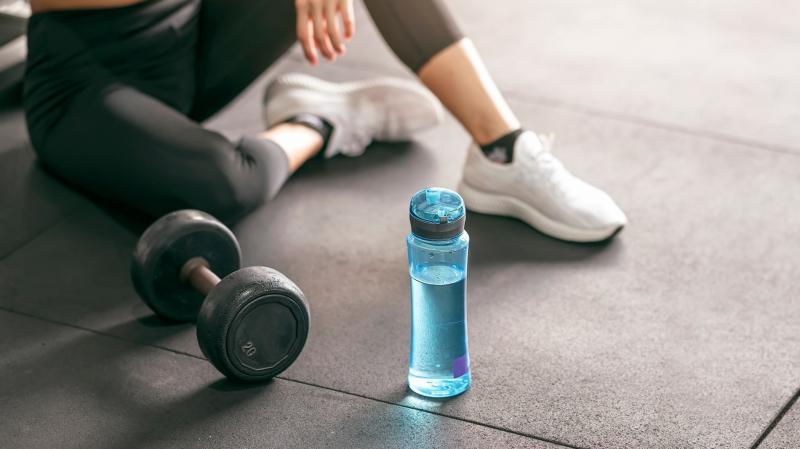
Drinking water can indirectly assist with weight loss. While water itself doesn't burn fat on its own and can't lead to weight loss without a balanced diet and physical activity, it plays an essential role in supporting several processes that help weight loss in a healthy way.
Moreover, drinking water increases the feeling of fullness, keeps the body hydrated, and improves exercise performance. It can also help reduce calorie intake when used correctly.
How Does Water Assist in Weight Loss?
Water is involved in most of the body's vital processes. Therefore, maintaining adequate hydration is a fundamental part of any weight loss plan.
Additionally, drinking water may help reduce appetite, enhance physical performance, and temporarily boost metabolism, contributing to better results when adopting a healthy lifestyle.
Temporarily Supports Metabolism
Some studies suggest that consuming approximately 500 milliliters of water may temporarily increase energy expenditure for some individuals. This phenomenon is known as thermogenesis.
However, this effect is limited and varies from person to person. It alone isn't enough to cause significant weight loss. Also, evidence isn't conclusive regarding the superiority of cold water over room temperature water in this respect, and the difference in calories burned remains limited.
Increases the Feeling of Fullness
Drinking a glass or two of water before meals may help some individuals reduce the amount of food they eat. Water can partially fill the stomach, enhancing the feeling of fullness and reducing calorie intake, especially in middle-aged and older adults.
Distinguishes Between Thirst and Hunger
For some people, the signals for thirst and hunger can be similar, leading them to eat when their body actually needs fluids.
If you feel hungry between meals, it might be helpful to drink a glass of water first and wait a few minutes to see if the hunger decreases.
Reduces Fluid Retention
Adequate water intake supports kidney function and fluid balance in the body. It may also help reduce fluid retention in some individuals, decreasing bloating and promoting a sense of lightness. However, it's vital to differentiate between losing fluids and fat loss, as they are different.
Enhances Exercise Performance
Proper hydration is essential for maintaining muscle and joint efficiency during physical activity. Drinking water before, during, and after exercise helps replenish lost fluids, enabling you to work out longer or more effectively, thus increasing total calories burned.
Replacing Sugary Drinks with Water
An effective strategy for weight loss is replacing sodas, sugary juices, and energy drinks with water.
This simple change can cut down hundreds of calories per week, especially for individuals who regularly consume sugary drinks.
How Much Water Should Be Consumed Daily?
There is no one-size-fits-all answer, as needs vary based on age, weight, physical activity, temperature, and health condition.
However, most adults need an adequate daily fluid intake, generally ranging between 2 and 3 liters per day from all sources of liquids, with increased amounts when exercising or in hot weather.
Best Times to Drink Water During Dieting
Timing your water intake can help maintain hydration throughout the day. Best times include:
- Drinking a large glass upon waking.
- Consuming water 20 to 30 minutes before meals.
- Drinking water before, during, and after exercise.
- Consuming water regularly between meals.
- Replenishing fluids after exposure to heat or sweating.
Is Drinking Water Alone Enough for Weight Loss?
No, water isn't a magic solution to burning fat. It acts as an aid within a comprehensive plan that includes:
- Following a balanced diet.
- Reducing caloric intake when necessary.
- Engaging in regular physical activity.
- Getting enough sleep.
- Limiting sugary drink consumption.
When combined, water becomes an important element supporting weight loss and body health.
In conclusion, scientific evidence shows that water indirectly helps with weight loss by increasing fullness, supporting hydration, enhancing physical performance, and reducing calorie intake when substituted for sugary drinks.
Incorporating water into your daily routine, alongside a healthy diet and exercise, is a simple yet effective step to support weight loss and maintain overall health.