


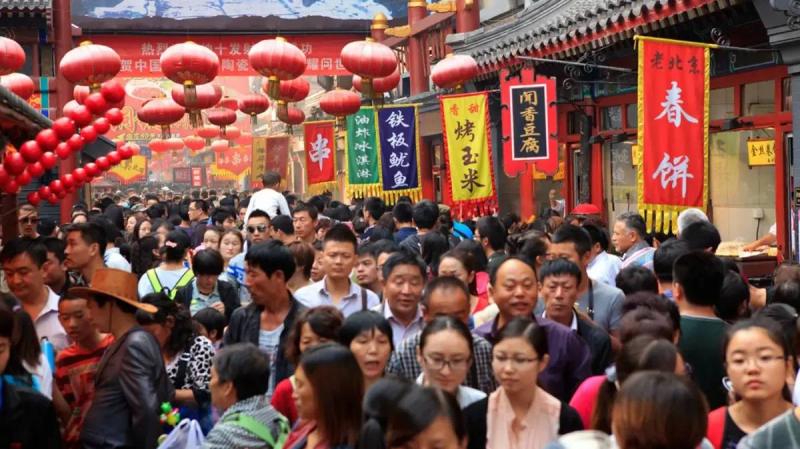
The most populated cities capture the attention of researchers and policymakers. These cities have become economic, cultural, and political hubs that directly influence the global economy.
With ongoing population growth and urban expansion, major cities are attracting millions seeking job opportunities, services, and education, leading to the emergence of "megacities."
Why Are Big City Populations Increasing?
In past decades, the world has seen an unprecedented wave of urbanization, with millions moving from rural to urban areas due to job concentrations and access to healthcare and education in urban centers.
Moreover, economic and technological advancements have enhanced the allure of major cities, causing continuous expansion. However, these cities face challenges like traffic congestion, housing, natural resources, and infrastructure issues.
How Are City Populations Counted?
Most global rankings use the "urban agglomeration" or "metropolitan area" concept, encompassing the main city and economically and socially linked surrounding areas. Thus, figures may differ from administrative city populations.
Urban population growth isn't only tied to birth rates but is also influenced by internal and external migration, leading to significant population spikes in short periods.
World's Top 10 Most Populated Cities
1. Jakarta, Indonesia
Jakarta tops the list with an estimated 42 million people, the largest urban agglomeration globally. Its growth stems from being Indonesia's economic and political center, along with continued migration seeking better livelihoods.
2. Dhaka, Bangladesh
Dhaka ranks second globally with 37 million people. It's one of the fastest-growing cities, despite infrastructure and population density challenges.
3. Tokyo, Japan
Tokyo has fallen to third place with about 33 million residents, reflecting aging population impacts and low birth rates in Japan, despite decades of leading the global charts.
4. New Delhi, India
New Delhi ranks fourth with 30.2 million people, benefiting from India's rapid economic growth and migration from neighboring states, making it one of Asia's fastest-expanding cities.
5. Shanghai, China
With 29.6 million residents, Shanghai maintains its status as China's largest financial and commercial hub, boasting advanced infrastructure and a busy port.
6. Guangzhou, China
Guangzhou ranks sixth with about 27.6 million residents, a major industrial and trade center benefiting from its strategic location in the Guangdong Bay Area.
7. Cairo, Egypt
Cairo ranks as the largest Arab and African city on the list with about 25 million residents, remaining a key political, cultural, and economic center in the region.
8. Manila, Philippines
Manila ranks eighth with 24.7 million people, a bustling economic hub with high population density, hosting one of Southeast Asia's busiest urban areas.
9. Kolkata, India
Kolkata, with 22.5 million residents, is one of India's largest and most influential cities, renowned for its rich culture and economic prominence in Eastern India.
10. Seoul, South Korea
Seoul concludes the list with 22.5 million residents, a global center for technology and innovation, boasting advanced infrastructure and public services compared to other major cities.
Asian Dominance on the World's Largest Cities List
The list shows clear Asian dominance, with nine out of ten cities located on the continent, reflecting the high population density and rapid economic growth in countries like India, China, and Indonesia.
Conversely, Cairo is the only exception outside Asia, highlighting its significance as a key capital in the Arab world and Africa. This distribution indicates that global urban growth will remain centered in Asia in the coming decades.
Future Challenges for Megacities
Despite the economic opportunities, major cities face increasing challenges, including congestion, pollution, housing shortages, and pressure on public services. Climate change also poses extra threats to coastal cities like Jakarta and Manila.
Many governments are investing in smart cities, modern transport networks, and environmental sustainability to ensure these urban centers can grow without compromising life quality.
In Conclusion, the 2026 list of the world's most populated cities highlights significant demographic shifts. Megacities are now major players in shaping the future of the economy, politics, and culture.
As urbanization continues rapidly, managing population growth and infrastructure development will remain key challenges shaping major cities in the coming decades.
See Also
Top 10 Tourist Destinations 2026