


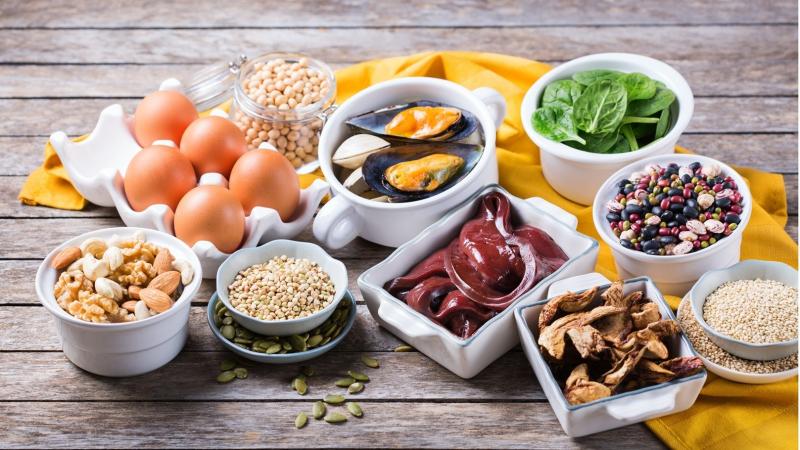
The essential mineral iron is required by the body to produce hemoglobin, the protein responsible for transporting oxygen to all body organs. Low iron levels can lead to fatigue, poor concentration, pale skin, and shortness of breath, especially during exertion.
Fortunately, iron deficiency can be prevented or treated by consuming foods rich in this mineral and following some tips to enhance its absorption. This article reviews the best foods rich in iron, along with tips for enhancing its absorption and understanding barriers to effective absorption.
Top 25 Iron-Rich Foods to Boost Your Iron Stores
Animal sources have easily absorbable iron compared to plant sources.
Animal-Based Iron-Rich Foods
1. Liver - One of the richest sources of iron, also contains Vitamin B12 and folic acid.
2. Red Meat - Such as beef and lamb, excellent sources of heme iron.
3. Chicken - Provides moderate amounts of iron alongside good protein.
4. Liver and Heart - Organs rich in iron and other nutrients.
5. Fish - Including sardines, tuna, and salmon.
6. Shellfish - Such as clams and mussels, top seafood sources of iron.
7. Eggs - The yolk contains a good amount of iron.
Plant-Based Iron-Rich Foods
8. Lentils - Famous legumes rich in iron.
9. Beans - Whether white, red, or black.
10. Chickpeas - Rich in iron, fiber, and plant protein.
11. Fava Beans - An excellent breakfast option.
12. Spinach - Among the green leafy vegetables high in iron.
13. Arugula - Supports an iron-rich diet.
14. Parsley - Even in small quantities, it’s a good iron source.
15. Broccoli - Contains both iron and Vitamin C.
16. Oats - A healthy breakfast choice rich in minerals.
17. Quinoa - Whole grains with iron and protein.
18. Sesame Seeds - Can be added to salads and baked goods.
19. Pumpkin Seeds - A snack high in iron.
20. Almonds - Provides iron and healthy fats.
21. Cashews - Nuts that help increase iron intake.
22. Raisins - Dried fruit containing iron.
23. Dates - Offers energy and some iron.
24. Dried Apricots - Among the popular dried fruits high in iron.
25. Grape Molasses or Date Molasses - Contains a good amount of iron and can be added to the diet in moderation.
Foods that Enhance Iron Absorption
To improve iron absorption, consume:
- Oranges.
- Lemon.
- Kiwi.
- Strawberries.
- Bell peppers.
- Tomatoes.
- Guava.
These foods are rich in Vitamin C, which increases iron absorption, especially plant-based iron.
Foods that Reduce Iron Absorption
Avoid consuming the following directly with iron-rich meals:
- Tea.
- Coffee.
- Carbonated drinks.
- Calcium-rich foods.
- Calcium supplements simultaneously.
Signs of Iron Deficiency
Symptoms of iron deficiency may include:
- Persistent fatigue.
- Dizziness.
- Pale skin.
- Shortness of breath.
- Rapid heartbeats.
- Brittle nails.
- Hair loss.
- Poor concentration.
Tips to Naturally Increase Iron
- Regularly consume iron sources.
- Add Vitamin C to your meals.
- Avoid tea and coffee right after meals.
- Follow a balanced diet.
- Consult a doctor if iron deficiency symptoms persist.
Conclusion
Iron plays a crucial role in maintaining body health, energy production, and the formation of red blood cells. Meeting daily iron requirements is possible through a wide array of enriched foods, enhanced by Vitamin C for absorption, while avoiding dietary habits that inhibit its benefits.
Also Watch