


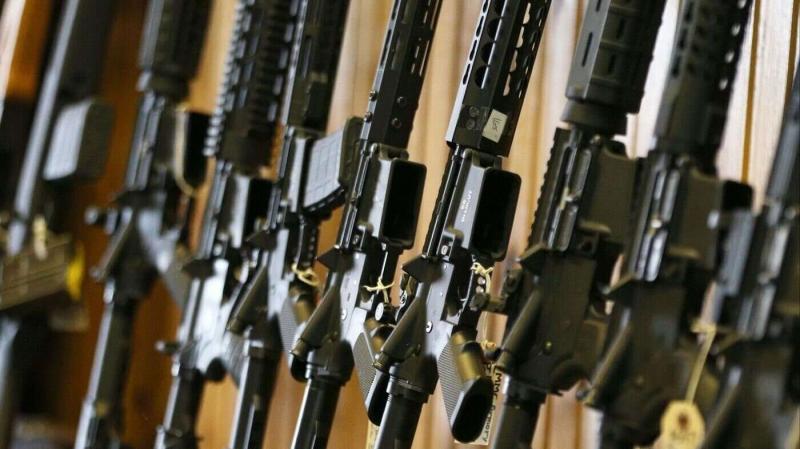
Weapons dominate the global defense landscape amid rising security challenges and increased military spending. Regional conflicts and international tensions have urged many nations to modernize their armies and enhance defense capabilities via massive armament deals, covering fighter jets, air defense systems, and warships.
Recent years have seen significant shifts in the global arms market, with noticeable surges in weapons imports in Europe, the Middle East, and Asia. The Middle East, in particular, has emerged as a highly active region in defense contracts, driven by the need to bolster regional security and keep up with modern military advancements.
Why Are Global Arms Imports Rising?
Countries import weapons for several reasons, mainly to modernize their militaries, counter security threats, and enhance military deterrence. Rapid technological developments in defense industries also push governments to replace outdated systems with more advanced ones.
Additionally, the war in Ukraine and rising tensions in the Asia-Pacific have fueled an increase in global demand for military equipment. In contrast, major defense companies continue to hit record figures due to the surge in military spending globally.
Top 10 Countries Importing Weapons
1. Saudi Arabia
Saudi Arabia tops the list with a 9.1% share of global arms imports, primarily relying on the United States for advanced defense systems, including fighter jets and air defense systems. These deals aim to enhance military capabilities and protect the country's strategic interests.
2. India
India ranks second with an 8.6% share, continuing its policy of modernizing its armed forces. Russia and France are significant weapons suppliers to India, which seeks to bolster its naval and air capabilities amid growing regional challenges.
3. Ukraine
Ukraine has experienced the most significant leap in arms imports, reaching a 6.8% share, due to ongoing international military support, including air defense systems, armored vehicles, and advanced equipment that have redefined its defense capabilities.
4. Poland
Poland secures the fourth position with a 6.5% share, becoming the fastest-growing European nation in terms of armament. Warsaw has focused on strengthening its armed forces and upgrading military equipment, especially amid security concerns on Europe's eastern borders.
5. Qatar
Qatar ranks fifth globally with a 6.4% share, having signed major deals to upgrade its air and naval forces, enhancing its status as a key player in the regional defense market.
6. Pakistan
Pakistan's global arms import share stands at 4.6%, relying primarily on China for defense systems. Islamabad continues to develop its military capabilities to keep pace with regional changes.
7. Japan
Japan ranks seventh with a 4.2% share, efforts to modernize missile defense systems and bolster military capabilities align with growing tensions in East Asia.
8. Kuwait
Kuwait enters the top ten list with a 2.8% share, engaging in deals that include fighter jets and modern weaponry, continuing to invest in modernizing its armed forces and enhancing defense readiness.
9. United Arab Emirates
The UAE ranks ninth with a 2.6% share, adopting a policy of diversifying armament sources, establishing itself as a leading military power in the region.
10. Egypt
Egypt concludes the list with a 2.1% share of global arms imports, focusing on modernizing its naval and air forces, alongside bolstering its defense capabilities in line with national security requirements.
Arab Presence in the Global Arms Market
The list reveals a strong Arab presence with five countries: Saudi Arabia, Qatar, Kuwait, the UAE, and Egypt. This presence underscores the Middle East's importance in the global defense market, with continued investments in modern military systems and expanded defense capabilities. These deals also support training programs and military technology transfers in some countries.
Key Features of the Global Arms Market
The global arms market is experiencing significant transformations, most notably the US's continued dominance in arms exports, holding about 42% of global military exports. In contrast, Europe is witnessing an unprecedented surge in defense spending, spurred by security fears prompting many countries to accelerate army modernization plans. Asia is also enhancing military capabilities amid increasing regional competition.
Will the Arms Race Continue in the Coming Years?
Defense experts anticipate that global military spending will keep rising in the coming years, driven by geopolitical developments and increasing reliance on advanced military technologies.
Furthermore, investments in drones, artificial intelligence, and cyber defense systems are expected to increase, potentially altering future wars and defense industries.
Ultimately, the list of top arms-importing countries for 2026 reflects the transformations occurring in the international system. As the arms race and defense spending increase, the key question remains: To what extent can countries balance security requirements with investments in economic development?
Also see
Top 10 Weapon-Producing Countries