


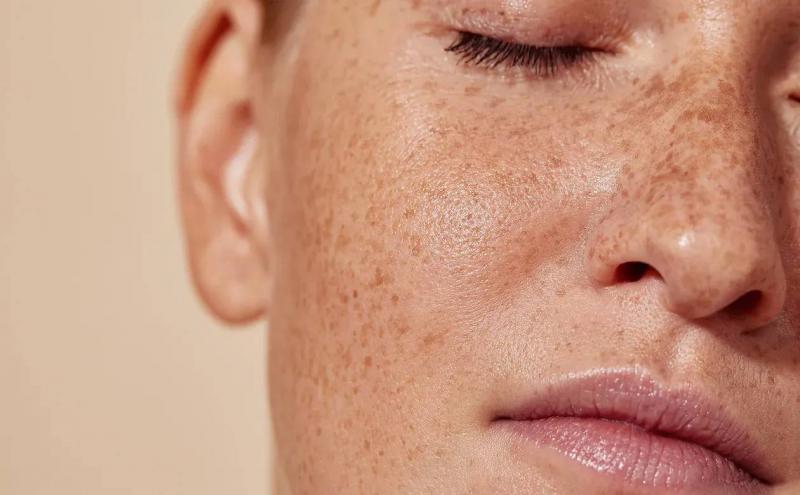
Post-pregnancy facial pigmentation is a prevalent concern for women seeking remedies, particularly due to the emergence of brown or dark spots on the forehead, cheeks, and nose. This condition, often termed 'melasma' or 'pregnancy mask', can fade gradually in some women but may persist for longer durations without proper care.
This pigmentation problem is primarily caused by hormonal changes experienced during pregnancy, in conjunction with sun exposure, which stimulates melanin production in the skin. Successful treatment combines daily preventative measures with appropriate medical treatments and a proper skincare routine to maintain long-term results.
Causes of Post-Pregnancy Facial Pigmentation
The elevation of estrogen and progesterone hormone levels during pregnancy increases the activity of melanin-producing cells, leading to dark spots on the skin. Continuous sun exposure without adequate protection further accentuates these spots, making treatment more challenging.
Genetic factors and certain skin types may also contribute to the likelihood of developing melasma. Consequently, the speed of response to treatments varies from woman to woman.
Essential Daily Care and Prevention
Daily Sunscreen Application
Using sunscreen with an SPF of at least 50 is crucial for daily protection. It shields the skin from UV rays that stimulate melanin production. Reapply every two hours during direct sun exposure, even on cloudy days.
Vitamin C Serum
Vitamin C serum helps even out skin tone and reduce the appearance of dark spots due to its antioxidant properties. Additionally, it boosts collagen production and imparts a healthy glow when used regularly as per product instructions.
Regular Moisturizing
Daily moisturizing supports the skin's natural barrier and promotes cell renewal, accelerating the improvement of pigmentation and minimizing dryness, which can exacerbate its appearance.
Medical Creams for Pigmentation Treatment
If home care isn't effective, dermatologists may recommend topical creams with active ingredients proven to lighten dark spots.
Azelaic Acid
Azelaic acid is a common choice for treating melasma and pigmentation. It works to decrease melanin production and unify skin tone, suiting many skin types under medical supervision.
Kojic Acid
Kojic acid helps inhibit the enzyme responsible for melanin production, featuring in many lightening creams for treating superficial to medium pigmentation.
Retinoids
Vitamin A derivatives, such as tretinoin, accelerate skin cell turnover and exfoliation of the outer layer, gradually reducing pigmentation. Retinoids should not be used during pregnancy or lactation unless advised by a doctor.
Hydroquinone
Hydroquinone is among the most effective topical treatments for stubborn dark spots, requiring medical oversight to determine the appropriate concentration and duration of use to prevent side effects.
Cosmetic Procedures at Clinics
For deep pigmentation or cases unresponsive to topical treatments, dermatologists might recommend advanced cosmetic procedures.
Chemical Peels
Chemical peels use acids like fruit acids or salicylic acid to remove surface skin layers and stimulate new, more uniform cell growth. They can also enhance skin texture and reduce melasma with periodic sessions as assessed by a doctor.
Laser Treatment
Laser treatment targets cells with excess melanin, breaking down the pigment gradually without majorly affecting the surrounding skin. While suitable for certain conditions, selecting the laser type and number of sessions should follow expert medical evaluation.
Natural Options for Mild Cases
Aloe Vera Gel
Aloe vera gel boasts soothing and moisturizing properties that might improve skin appearance and reduce inflammation, which can emphasize pigmentation.
Yogurt and Oatmeal
Yogurt contains lactic acid for gentle exfoliation, while oatmeal calms the skin and removes dead cells, giving a brighter look with regular use.
Licorice Extract
Licorice extract is renowned for skin care, helping diminish dark spots and unify skin tone due to its melanin production-inhibiting qualities.
Tips to Accelerate Treatment
For optimal results, maintain a consistent daily routine and continue sunscreen use even after pigmentation improvement. Additionally, avoid aggressive skin exfoliation or using unverified mixtures that might irritate the skin and exacerbate the issue.
Moreover, a balanced diet rich in antioxidants and adequate water intake supports general skin health, though its direct impact on melasma treatment is limited compared to medical options.
When to Consult a Dermatologist
If pigmentation persists for several months without improvement or becomes more pronounced despite sunscreen and proper skincare, consulting a dermatologist is advisable. Also, seek medical advice before using potent lightening creams, especially during lactation or concurrent skin conditions.
In conclusion, treating post-pregnancy facial pigmentation requires combining daily prevention with appropriate treatment based on severity. With commitment to a suitable skincare regimen and patience, most women can gradually regain their even skin tone and radiance.
See Also
Does Stress Reduce Women's Sexual Desire?