


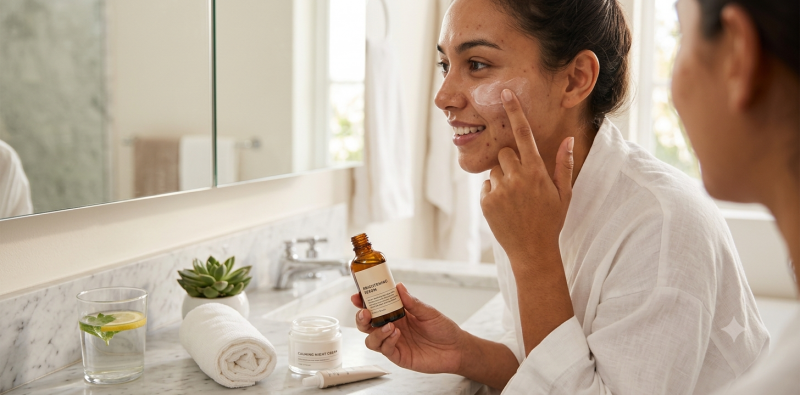
Skin lightening is a hot topic for those passionate about skincare. This is especially true when dealing with pigmentation, acne scars, or sun exposure spots. It's important to know that safe skin lightening does not mean changing your natural skin tone; instead, it aims to even out skin tone, reduce pigmentation, and restore a healthy glow.
Medically speaking, no safe method offers significant brightening in just days, as skin cells typically require a renewal cycle of 21 to 28 days. Thus, the speed of results depends on the type of treatment used, the cause of pigmentation, and adherence to a skincare routine.
Why Does Skin Darken or Become Uneven?
Before selecting any treatment method, it's crucial to understand the underlying cause of skin discoloration, as treating the issue begins with identifying its source.
Common Causes Include:
- Frequent sun exposure.
- Hormonal changes causing melasma.
- Acne scars.
- Aging.
- Skin inflammation.
- Friction in certain body areas.
- Neglecting sunscreen use.
Additionally, bad habits like popping pimples or using unsuitable products can increase pigmentation and make treatment harder.
Medical Procedures for Skin Lightening
Chemical Peels
Chemical peels are highly utilized in dermatology clinics, involving medical acids like glycolic, salicylic, or lactic acid to remove the outer skin layer and stimulate new cell growth.
This Procedure Helps:
- Reduce pigmentation.
- Even out skin tone.
- Improve texture.
- Reduce acne scars.
- Enhance skin radiance.
Results appear progressively over a few weeks, depending on skin type and pigmentation depth.
Fractional Laser and Q-Switched Laser
Laser treatments are highly effective for tackling dark spots, directly targeting melanin pigments without affecting surrounding tissues.
These Techniques Treat:
- Melasma.
- Freckles.
- Sun spots.
- Stubborn pigmentation.
Additionally, lasers stimulate collagen production, offering smoother and more vibrant skin.
Microneedling with PRP
This method stimulates collagen production through fine needles, with platelet-rich plasma (PRP) potentially boosting regeneration.
The Procedure Benefits:
- Enhances skin radiance.
- Reduces acne marks.
- Evens out skin tone.
- Boosts skin elasticity.
Topical Ingredients to Brighten Skin

Vitamin C
Vitamin C is a popular antioxidant in skincare, inhibiting melanin production and boosting collagen, resulting in a natural glow.
Alpha Arbutin
Alpha arbutin safely fades dark spots, gradually reducing melanin without irritating the skin when used correctly.
Kojic Acid
Kojic acid reduces pigmentation from sun exposure, melasma, and acne scars, found in many creams and serums for even skin tone.
Niacinamide
Niacinamide decreases melanin transfer to the skin's surface while calming the skin, reducing the appearance of pores, and strengthening the skin's natural barrier.
Retinoids
Vitamin A derivatives accelerate skin cell renewal and exfoliation of dead cells, improving skin tone and reducing pigmentation and fine lines with regular use.
Typically, these ingredients yield results in four to eight weeks, with daily sunscreen use essential.
Natural Recipes to Even Skin Tone
Natural recipes can complement a skincare routine, though they don't match medical treatments or active ingredients' effectiveness.
Yogurt and Honey Mask
Yogurt contains lactic acid for gentle exfoliation, while honey hydrates and soothes the skin. Apply the mask for 15 to 20 minutes, then rinse with warm water.
Rice Powder and Milk Mask
Ground rice gently removes dead cells, while milk provides gradual hydration and radiance, though a patch test is advised before full-face application.
Avoid These Mistakes When Trying to Lighten Skin
Some popular recipes might cause more harm than good; avoid using lemon juice directly on the face as it can cause severe irritation, burns, and reverse pigmentation when exposed to sunlight.
Also, avoid excessive exfoliation or using multiple exfoliating products simultaneously, which can weaken the skin barrier and increase sensitivity.
Sunscreen: The Most Important Step in Skin Lightening
No satisfactory results can be achieved without incorporating sunscreen into your daily routine, as UV exposure stimulates melanin production leading to new spots, even with the best lightening creams.
Use a broad-spectrum sunscreen with an SPF of at least 50, reapplying every two hours when outdoors.
Tips to Speed Up Results
Alongside medical or topical treatments, healthy habits can improve skin appearance, such as:
- Staying hydrated.
- Eating foods rich in Vitamins C and E.
- Getting enough sleep.
- Avoiding smoking.
- Removing makeup before sleep.
- Moisturizing daily.
- Not picking at pimples.
Ultimately, consistent daily routine adherence is crucial for achieving sustainable results.
In conclusion, quick skin lightening relies on selecting suitable treatment for the pigmentation type and cause, understanding that safe results require adequate time for skin cell renewal.
Regardless, sunscreen remains essential to maintain results and prevent pigmentation recurrence, ensuring more radiant and even skin in the long run.
See Also:
Best Skincare Routine After Forty