


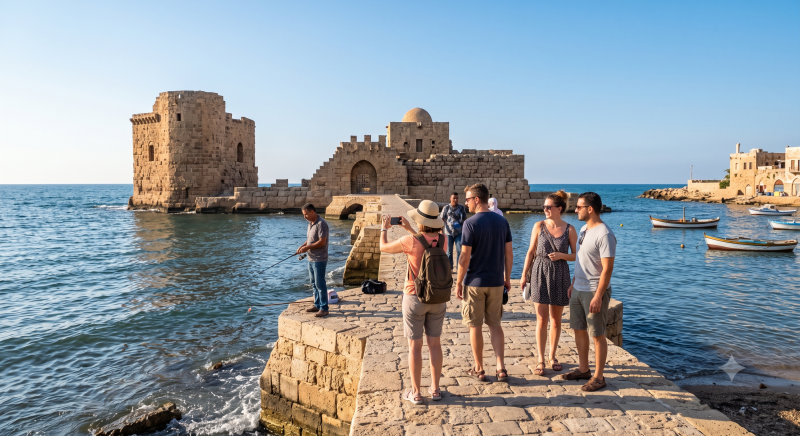
Sidon, a city brimming with historical significance, stands out in Lebanon for its untouched heritage that has prevailed through the ages. Known as one of the prominent Phoenician cities on the eastern Mediterranean coast, Sidon experienced successive civilizations which etched their marks on its buildings, markets, and ancient landmarks.
Beyond its coastal allure, Sidon's charm extends into its historic neighborhoods, offering visitors a journey through ancient castles, khans, and bustling local markets, unveiling a glimpse of Lebanon’s rich past.
Key Historical Sites in Sidon:
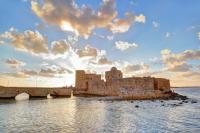
1. Sidon Sea Castle
This iconic historical site in Sidon is located on a small island connected by a stone bridge. Built by the Crusaders in the 13th century, it served as a defensive fort monitoring the coastline. Visitors enjoy a unique view of the sea and old Sidon from the castle, making it a popular attraction for history enthusiasts and photographers.
2. Sidon Castle
Sitting on a high ground inside the city, Sidon Castle was part of the fortifications protecting the city throughout different historical periods. Although only limited parts remain, it stands as a testament to Sidon's former military and commercial importance.
Khan El Franj
This Ottoman-era building is a prominent historical landmark in Sidon. Initially, a commercial center for traders and travelers, the khan boasts an inner courtyard and stone arches reflecting traditional architectural styles. Nowadays, it hosts cultural events and activities, seamlessly blending heritage with contemporary cultural life.
4. Sidon Old Souk
The Old Souk offers a unique experience, inviting visitors to stroll through historic alleys and shops selling traditional goods and crafts. Stone buildings and lively atmospheres maintain the ancient charm of the city. It is a perfect spot to explore local life, buy handmade products, and savor traditional Lebanese dishes.
5. Soap Museum
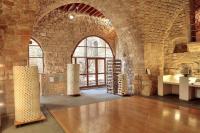
Situated in a historic 17th-century building, the Soap Museum showcases Lebanon's traditional soap-making history, particularly olive oil soap, for which Sidon is renowned. The museum features old tools and offers insights into the soap manufacturing process, attracting visitors interested in traditional crafts.
Why Visit Sidon?
Sidon offers several factors that make it a top historical destination in Lebanon, such as:
-An ancient Phoenician history.
-Old coastal castles.
-Heritage markets.
-Ottoman architecture.
-Traditional crafts.
-A stunning coastal location.
When to Visit Sidon
Spring and fall are ideal for visiting Sidon, with favorable weather for exploring historic sites and old markets. Summer is also an option for enjoying the seafront and seafood restaurants.
What is the Most Famous Historical Site in Sidon?
The Sidon Sea Castle is the city's most famous historical site, frequenting many tourists.
How Long Does It Take to Visit Sidon's Historical Sites?
A single day is sufficient to visit the major historical landmarks, allowing some time to explore the old market and enjoy the city's atmosphere.
Is Sidon Suitable for Family Tourism?
Yes, Sidon offers a family-friendly experience with its diverse historical sites, markets, restaurants, and coastal areas.
Sidon beautifully combines the charm of history with the allure of the sea, preserving the relics of past civilizations through its castles, khans, and old markets. Exploring Sidon Sea Castle, Khan El Franj, and the Old Souk are among the best ways to discover this ancient Lebanese city's historical identity.
See Also:
Everything About Sidon Sea Castle