


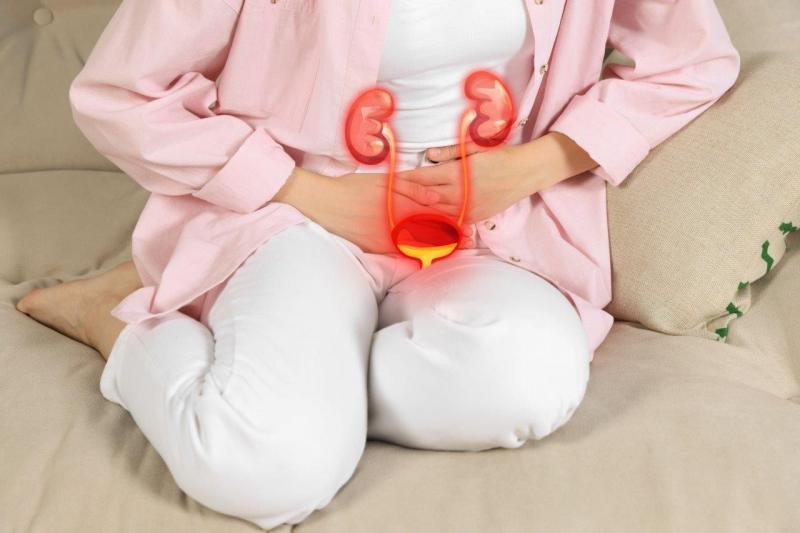
Recurrent urinary tract infections (UTIs) are among the most common disorders affecting the urinary system. Many women experience a return of symptoms such as burning during urination, lower abdominal pain, and frequent urges to urinate, even after previous treatments. This condition occurs when UTIs recur within a short period, necessitating a different evaluation than standard infections.
Medically, recurrent UTIs are defined as two or more infections within six months or three infections in one year. Intestinal bacteria, particularly Escherichia coli, are the primary culprits, due to their ease of transmission to the urinary tract in women.
What Causes Recurrent UTIs in Women?
1. The Anatomy of Women's Urinary System
Anatomical factors are key contributors to the higher incidence of UTIs in women. Their shorter urethra, located close to the vagina and anus, facilitates bacterial transfer from the intestine to the urinary tract, especially if proper hygiene is not maintained.
2. Sexual Activity
Sexual activity is a factor that may trigger recurrent UTIs in some women, as bacteria can transfer to the urethra during intercourse. Additionally, some contraceptives, like spermicides, increase the likelihood of infection. Urinating after intercourse can help reduce bacterial accumulation in the urethra.

3. Hormonal Changes After Menopause
Post-menopausal hormonal changes, particularly decreased estrogen, alter the vaginal environment, causing:
-Vaginal dryness.
-Reduced presence of beneficial bacteria like Lactobacillus.
-pH changes.
These changes enable harmful bacteria to thrive and reach the urinary system more easily.
4. Bladder Emptying Issues
Recurrent UTIs may stem from incomplete bladder emptying, providing a conducive environment for bacterial growth.
Reasons include:
-Urinary retention.
-Weak bladder muscles.
-Prolapse of the bladder or uterus.
-Neurological disorders affecting urination.
5. Bacterial Resistance to Antibiotics
In some cases, it’s not just recurrent new infections; some bacteria develop resistance. Bacteria may form a protective biofilm layer inside the bladder wall, making eradication difficult and leading to the reappearance of infections.
Symptoms of Recurrent UTIs in Women
Symptoms mimic those of regular UTIs, including:
Burning During Urination
This is common, with women experiencing pain or burning as urine is passed.
Frequent Urination
A constant need to use the bathroom, even when passing small amounts of urine.
Lower Abdominal Pain
Pain or pressure in the pelvic area or lower abdomen due to bladder irritation.
Changes in Urine Smell or Color
Urine may become cloudy or have a strong odor due to bacteria or inflammatory cells.
Presence of Blood in Urine
Occasionally, small traces of blood may appear due to the irritation and inflammation of the urinary tract walls.
How Is Recurrent UTI Diagnosed?
Diagnosis relies on more than just symptoms and requires precise tests to understand the reasons behind frequent infections.
Urine Culture
A vital test to:
-Identify the bacteria causing the infection.
-Determine the appropriate antibiotic.
-Detect bacterial resistance to certain drugs.
Urine culture is recommended with the onset of new symptoms before starting treatment, especially in recurrent infections.
Avoid Treating Asymptomatic Bacteria
Urine tests may show bacteria without clear symptoms. Known as asymptomatic bacteriuria, it often doesn't require antibiotics, as unnecessary use can increase drug-resistant bacteria.
Treating Recurrent UTIs in Women
Treatment depends on the recurrence cause and frequency.
Increase Water Intake
Adequate fluid intake boosts urine flow and expels bacteria from the urinary tract. Staying hydrated daily as per body and health needs is often advised.
Topical Estrogen After Menopause
For post-menopausal women, localized vaginal estrogen therapy may restore balance in the vaginal environment and reduce infection recurrence. It's used under medical supervision to determine the appropriate type and dosage.
Preventive Supplements
Some options help reduce infections in women:
-Cranberry extract contains compounds that may prevent bacteria from adhering to the bladder wall.
-Methenamine is used in some cases to prevent recurrent infections.
The choice of these options is based on the physician's assessment of the case.

Daily Tips for Preventing Recurrent UTIs
Adopting certain habits can reduce UTI recurrence:
-Urinate after intercourse.
-Maintain good hydration.
-Avoid holding urine for long periods.
-Wipe front to back after using the bathroom.
-Avoid irritating products for sensitive areas.
-Wear cotton underwear and keep the area dry.
Avoid using antibiotics randomly without a prescription.
Preventive Antibiotics for Recurrent UTIs
Non-drug preventive measures failing, physicians might prescribe antibiotics prophylactically. Options include:
Post-Intercourse Prophylaxis
If UTIs are clearly linked to intercourse, a low antibiotic dose post-intercourse may be prescribed.
Daily Preventive Doses
For severe cases, low-dose antibiotics under medical supervision may be used. This option is often a last resort due to the importance of minimizing antibiotic resistance risks.
When to See a Doctor?
Seek medical advice if:
-Infections recur several times a year.
-There's blood in the urine.
-Fever or chills occur.
-Pain is felt in the kidney or flank area.
-Symptoms don't improve with treatment.
Some cases may need additional assessment to detect stones or bladder emptying issues.
In conclusion, recurrent UTIs in women are common but manageable with proper identification of underlying causes. Treatment involves more than antibiotics, including lifestyle adjustments and addressing factors like hormonal changes or bladder emptying issues.
By using correct diagnostics, such as urine cultures, and following a preventive plan, infection recurrence can be minimized, aiding in long-term urinary health.
See also: Can Kidney Deposits Cause Flank Pain?