


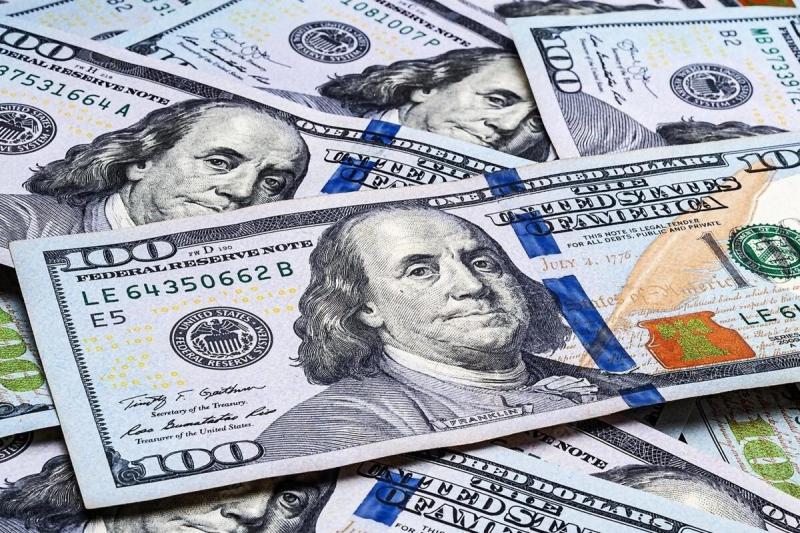
Countries with the largest foreign exchange reserves are some of the most economically resilient in facing financial fluctuations and global crises. These reserves serve as the first line of defense against disturbances in currency markets or international trade. Additionally, these assets provide central banks with substantial flexibility in managing monetary policy and maintaining stable exchange rates.
Such reserves reflect economic strength, trade volume, and investment flows, encouraging many countries to continually expand them. However, not all major economies rely on massive foreign reserve holdings, as needs vary based on the economy's nature and the local currency's role in the global financial system.
What are Foreign Exchange Reserves?
Foreign exchange reserves consist of foreign assets held by central banks, including tradable foreign currencies, foreign government bonds, special drawing rights (SDRs) with the International Monetary Fund (IMF), excluding gold, which differentiates this list from international reserve rankings including precious metals.
Governments use these reserves to support national currencies when needed, finance imports, meet foreign obligations, and boost investor confidence in their economies. Moreover, substantial reserves help mitigate the impact of global financial crises.
Top 10 Countries with the Largest Foreign Exchange Reserves
1. China – $3.41 Trillion
China continues to hold the top spot globally, far surpassing other nations, with reserves exceeding $3.41 trillion. This is attributed to China's substantial trade surpluses as the world's largest exporter, using these reserves to stabilize the yuan and manage monetary policy amidst global market fluctuations.
2. Japan – $1.26 Trillion
Japan ranks second globally with reserves around $1.26 trillion, showcasing the Japanese economy's strength and its meticulous currency market management, particularly given the yen's status as a major global financial currency.
3. Switzerland – $932 Billion
Switzerland maintains its position among top reserve-holding economies due to its robust financial sector and investor trust in the Swiss franc. The Swiss National Bank uses these reserves to mitigate significant currency exchange rate fluctuations.
4. Taiwan – $602 Billion
Taiwan holds over $600 billion in foreign reserves, reflecting the strong performance of its tech sector and electronic exports, key national income sources, aiding in financial stability and market confidence.
5. India – $543 Billion
India has efficiently built substantial foreign reserves through continual economic growth, expanding exports and services, and worker remittances, empowering the Reserve Bank of India to better address global market volatility.
6. Saudi Arabia – $459 Billion
Saudi Arabia leads Arab countries in foreign exchange reserves with approximately $459 billion, reflecting oil revenue strength and fiscal policies aimed at maintaining monetary stability and supporting the Saudi riyal's peg to the US dollar, especially during Vision 2030 project implementation.
7. Hong Kong – $442 Billion
Despite its small size, Hong Kong holds significant reserves due to its status as a global financial hub, using these reserves to maintain the Hong Kong dollar's peg to the US dollar and stabilize the financial sector.
8. Russia – $434 Billion
Russia retains substantial foreign reserves despite economic challenges and international sanctions, striving to diversify assets and reduce dependence on certain foreign currencies to enhance its economic resilience.
9. South Korea – $423 Billion
South Korea benefits from its strong industrial and technological exports in building significant cash reserves, crucial for safeguarding the economy from global market fluctuations, given its high foreign trade reliance.
10. Singapore – $419 Billion
Singapore completes the list of top foreign reserve holders, leveraging its position as a global financial and trade center, with reserves playing a key role in supporting monetary policy and economic stability.

Why Do Asian Countries Dominate the List?
Asia holds seven of the top ten positions in global foreign exchange reserves, reflecting the continent's rising economic weight over recent decades.
This dominance is due to key factors such as:
-High trade surpluses in numerous Asian economies.
-Heavy reliance on exports and manufacturing.
-Attracting foreign direct investments.
-Cautious monetary policies.
-Building substantial reserves to weather financial crises.
Conversely, some advanced economies rely more on their currencies' global standing than accumulating foreign currency holdings.
Why is the United States Not on the List?
Some might wonder why the United States, the world's largest economy, is absent. This stems from the US dollar's status as the primary global reserve currency, negating Washington's need for vast foreign currency holdings like other nations.
Notably, the US has the world's largest official gold reserves, whereas this ranking focuses solely on foreign exchange reserves, excluding gold.
The Importance of Foreign Exchange Reserves for Countries
Foreign reserves play a crucial role in national economic stability by equipping governments with effective tools for managing financial crises and market fluctuations.
The primary benefits include:
-Supporting the stability of local currency.
-Financing essential imports.
-Boosting investor confidence.
-Meeting external obligations.
-Shielding the economy from financial crises.
-Backing central banks' monetary policy.
Thus, most major and emerging economies strive to maintain comfortable reserve levels proportional to their economic size.
Could Countries' Rankings Change in the Future?
Foreign reserves fluctuate continually due to exchange rates, international trade, energy prices, and investment flows, potentially altering country rankings, especially with ongoing economic growth in Asia and the Middle East, alongside global economic shifts.
Trade relationships, monetary policies, and commodity prices will remain significant factors influencing countries' foreign reserves.
In conclusion, the list of top countries by foreign reserves reveals global economic power dynamics, with China leading vastly. Japan, Switzerland, Taiwan, and India emphasize their financial strength, with Saudi Arabia as the leading Arab nation in this domain, reflecting its robust financial status and foreign reserves.
As global economic changes persist, foreign reserves will remain a crucial indicator of countries' crisis-handling capabilities and economic stability, making this ranking essential for investors, researchers, and policymakers.
Also See