


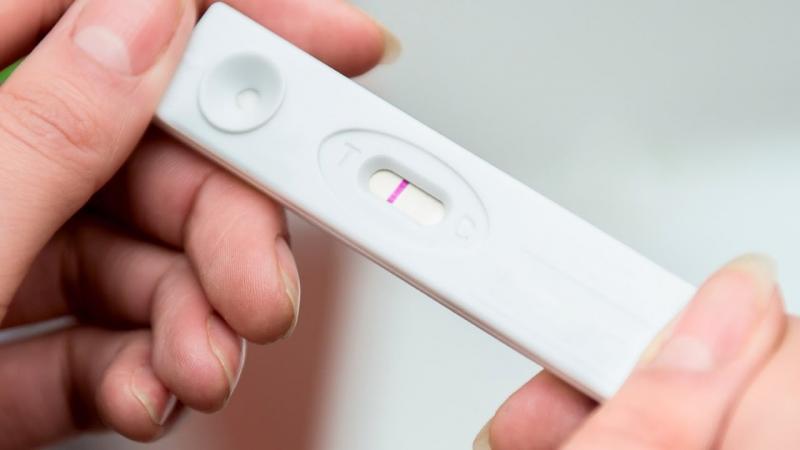
Delayed pregnancy is a challenge some couples face after marriage, which isn't always due to female fertility issues. The cause may be linked to the man's fertility or a combination of factors between both partners. According to medical sources, male-related factors contribute significantly to difficulties in conceiving, making an evaluation of the male partner an essential part of determining the cause. Male fertility can affect conception through various issues such as low sperm count, poor motility, or abnormal shape. Additionally, health problems, hormonal imbalances, and lifestyle habits can impact sperm quality.
Reasons for Male-Related Delays in Pregnancy
Low Sperm Count
A low sperm count is a primary factor affecting conception chances. A smaller number of sperm reduces the likelihood of them reaching the egg. Sperm count cannot be identified through symptoms alone and requires a semen analysis to assess count alongside other critical indicators.
Poor Sperm Motility
Normal sperm count can still lead to issues if the motility is inadequate to reach the egg. Sperm motility is crucial, assessed through semen analysis, enabling sperm to travel through the female reproductive system to the egg.
Abnormal Sperm Shape
Changes in sperm shape may impede their ability to move or reach the egg. Semen analysis evaluates sperm morphology along with count and motility. While some abnormal sperm does not necessarily prevent pregnancy, it could pose challenges.
Varicocele
Varicocele involves the enlargement of veins around the testicles, potentially reducing sperm production or quality. It might not cause clear symptoms but some men feel heaviness or pain, especially after standing a long time or physical activity.
Hormonal Imbalances
Hormones regulate sperm production, and imbalances could impact fertility. Such problems might involve the pituitary gland, testicles, or other hormone-regulating glands that influence sperm production.
Blocked Transport Tubes
In some cases, sperm production is normal, but blockages in transport tubes prevent sperm from reaching semen. These blockages may result from inflammation, injuries, or surgical history, and occasionally relate to congenital factors.
Infections
Certain infections in the reproductive system can affect sperm production, movement, or transport. Symptoms may include pain, swelling, or burning, although some infections show no symptoms and are found during fertility evaluation.
Medications
Some medications can disrupt sperm production or sexual function, emphasizing the importance of disclosing all medications to doctors, including over-the-counter drugs and supplements, without discontinuing any prescribed drugs independently.
Smoking
Smoking negatively affects sperm quality and is linked to changes impacting fertility and reproductive health. Quitting smoking is advised to improve overall health and may benefit reproductive health.
Obesity
Excess weight links to hormonal disruptions and changes in sperm production. Maintaining a healthy weight and routine physical activity may enhance overall health and fertility-related factors.
High Testicular Temperature
Testicles require a cooler temperature than the body for proper sperm production, and prolonged high temperatures can interfere with sperm production, especially if combined with other fertility issues.
Stress and Lack of Sleep
Chronic stress and sleep disturbances affect overall health and hormonal balance, indirectly influencing fertility factors. However, stress is not a direct cause of delayed pregnancy without excluding other medical causes.
Does Erectile Dysfunction Impact Pregnancy Chances?
Erectile dysfunction can affect pregnancy chances if it prevents intercourse from occurring in a way that allows sperm to reach the woman's reproductive system. Nevertheless, erectile dysfunction does not necessarily indicate a sperm production issue since sperm can be normal despite sexual function problems.
Does Ejaculation Impact Conception?
Yes, ejaculation disorders can influence conception chances, particularly if sperm fail to reach the female reproductive system. Health issues, medications, or past surgeries may cause ejaculation disorders, necessitating medical evaluation if persistent.
How Does a Man Know if He Has Fertility Issues?
Fertility issues often lack clear symptoms, making delayed pregnancy the main indicator. Semen analysis is a primary test in assessing male fertility, providing insights into:
Key Indicators in Semen Analysis
- Sperm count
- Sperm motility
- Sperm morphology
- Semen volume
- Other semen characteristics as determined by analysis.
Repeating the analysis might be required, as results can vary between samples.
When Should Fertility Testing Be Conducted?
If pregnancy doesn't occur after one year of regular intercourse without birth control, fertility evaluation for both partners is typically warranted. Earlier testing may be advised in cases with previous fertility issues, testicular injuries, genital surgery, or clear erectile or ejaculation disorders. The wife’s age is critical in determining fertility evaluation timing, making early consultation advisable in some situations.
What Tests May a Man Need?
Male evaluation generally begins with medical history, clinical examination, and semen analysis. Additional tests may be requested based on initial results, including:
Hormonal Tests
These help determine if any disturbances affect sperm production.
Testicular Imaging
Ultrasound imaging may be required in suspected cases of varicocele or other testicular issues.
Additional Tests
Some men may need more specialized tests if the cause is not found in initial evaluations, with the type of test determined by the condition and results.
Can Delay in Pregnancy Due to Male Factors be Treated?
Yes - Treatment depends on the underlying cause. Correcting infections, hormonal imbalances, or some health issues can improve fertility. Surgical interventions might be appropriate for issues like varicocele or blockages. When direct treatment isn't sufficient, or issues are complex, reproductive assistance suitable for the couple might be discussed by the doctor.
Also See:How Often Should Married Couples Have Intercourse?