


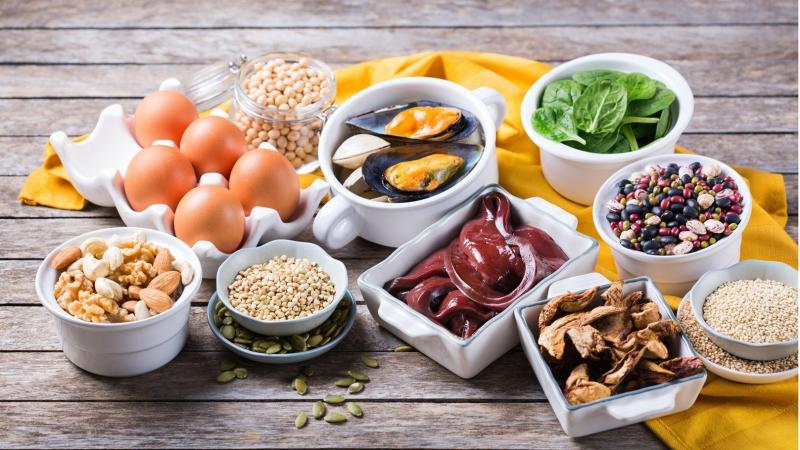
Iron is an essential mineral that the body needs for several vital functions, particularly the production of hemoglobin. Hemoglobin is the protein in red blood cells that carries oxygen from the lungs to the rest of the body. Therefore, getting an adequate amount of iron from your diet helps maintain normal bodily functions.
Iron is available from various foods, both animal and plant sources. However, the body absorbs different types of iron at varying levels. Typically, iron from meat, fish, and poultry is better absorbed than iron from plant sources. This is why food choices and combinations can enhance iron absorption from meals.
What Are the Best Dietary Sources of Iron?
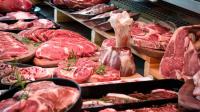
Red Meat
Red meat is a good source of iron, especially since it contains a type of iron that the body can easily absorb. It can be included in moderate amounts as part of a balanced diet, alongside other protein sources.
Liver
The liver is high in iron but also rich in vitamin A. It should not be eaten in excess, especially by certain groups such as pregnant women, without medical advice.
Chicken and Turkey
Poultry contains iron and can be part of a varied diet, though the iron content may vary depending on the cut and cooking method.
Fish and Seafood
Some fish and seafood provide iron, along with protein and other nutrients. Opt for suitable types and cook them healthily to include them in your diet.
Plant-Based Sources of Iron
Lentils
Lentils are one of the best plant-based sources of iron, suitable for soups, salads, or various dishes. They also provide protein and fiber, making them beneficial for a balanced diet.
Beans
Various beans contain iron and can be utilized in daily meals.
Chickpeas
Chickpeas offer iron, alongside protein and fiber. They can be enjoyed boiled or in salads, or made into hummus with tahini.
Spinach and Leafy Greens
Leafy greens like spinach contain iron and an array of vitamins and minerals. However, the non-heme iron in them is less effectively absorbed than animal-based iron, so consuming them with vitamin C-rich foods can help.
Nuts and Seeds
Some nuts and seeds, like pumpkin and sesame seeds, provide iron. They can be added to salads, yogurt, or oatmeal dishes, though they are calorie-dense, so moderation is key.
Fortified Cereals
Some breakfast cereals and fortified foods contain iron, serving as an additional source. It's best to check the nutritional label for the amount of iron in these products.
How to Enhance Iron Absorption from Food?
Increasing iron intake isn't just about the amount present in food; the way it's consumed also counts.
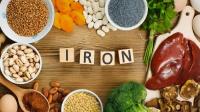
Consume Iron with Vitamin C
Vitamin C improves the absorption of non-heme iron, primarily found in plant foods. Foods rich in vitamin C include:
- Oranges and citrus fruits.
- Bell peppers.
- Strawberries.
- Kiwi.
- Tomatoes.
- Broccoli.
Incorporate tomatoes or peppers into lentil or chickpea dishes to boost iron uptake.
Avoid Tea and Coffee with Iron Meals
Compounds in tea and coffee can reduce non-heme iron absorption. To maximize iron benefit, avoid consuming tea or coffee directly with iron-rich meals.
Consider Calcium Levels
Calcium can affect iron absorption. Avoid combining large amounts of calcium sources with iron supplements or meals aimed at maximizing iron intake, especially if a deficiency is confirmed.
What is the Difference Between Animal and Plant Iron?
Dietary iron comes mainly in two forms:
Heme Iron
Found primarily in meat, poultry, fish, and seafood, heme iron is typically better absorbed by the body.
Non-Heme Iron
Present mainly in plants such as lentils, chickpeas, beans, leafy greens, nuts, and seeds, its absorption is more influenced by meal components. Pairing it with vitamin C sources can enhance its uptake.
See Also:
Avanafil: Is it Faster than Viagra?