


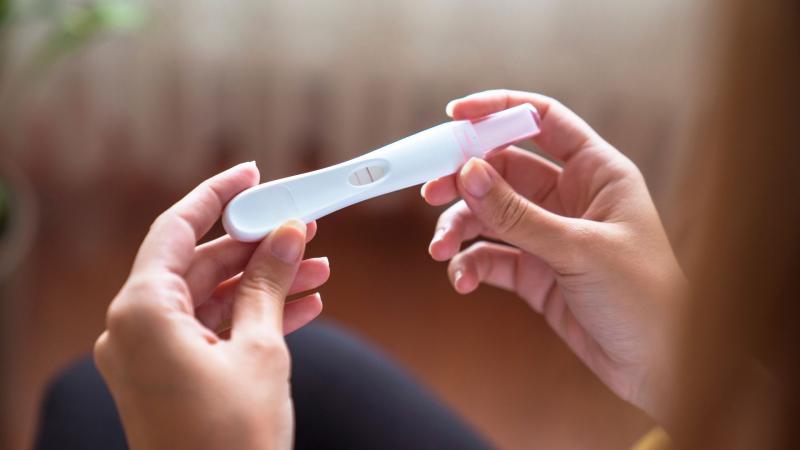
Pregnancy symptoms are often a topic of curiosity among women, especially when planning for a baby or after a conjugal event during ovulation. Though these symptoms vary among women, they typically start to appear gradually in the early weeks due to hormonal changes.
Usually, the initial pregnancy signs begin to manifest between the fifth and sixth weeks from the last menstrual period, roughly a week or two after a missed period for most women. However, some may notice very mild symptoms even before a missed period, while others might not feel any until several weeks later.
When Do Early Pregnancy Signs Appear?
Once fertilization occurs, the fertilized egg travels to the uterus, where it implants itself into the lining about 6 to 12 days later. From this point, the body starts producing the pregnancy hormone (hCG), responsible for most early pregnancy symptoms.
Additionally, rising levels of progesterone and estrogen cause physical and emotional changes that vary in intensity between women.
Early Pregnancy Symptoms Before a Missed Period
Some women may experience very early symptoms before missing a period. However, these are not universal and cannot be solely relied upon to confirm pregnancy.

Implantation Bleeding
Implantation bleeding is one of the earliest possible signs. It appears as light pink or brown spotting and lasts for a short period, occurring as a result of the fertilized egg embedding into the uterine lining.
Mild Abdominal Cramping
Some women experience light cramps similar to menstrual pains, though typically milder and they fade quickly.
Symptoms of Pregnancy at the Time of a Missed Period
A delayed menstrual cycle is among the most apparent signs, especially in women with regular cycles. Alongside, mood swings, bloating, and general fatigue may resemble premenstrual symptoms and thus, are unreliable alone.
Pregnancy Symptoms One Week After a Missed Period
Between the fifth and sixth weeks of pregnancy, symptoms start to intensify due to rising hCG levels.
Breast Tenderness and Swelling
The breasts become more sensitive, with possible heaviness or fullness and a darker color change in the nipples and areola.
Extreme Fatigue
Constant tiredness and an increased desire to sleep are common pregnancy symptoms, caused by elevated progesterone levels and the body's increased effort to support fetal growth.
Frequent Urination
The need to urinate increases due to enhanced blood flow to the kidneys and hormonal changes occurring early in pregnancy.
Pregnancy Symptoms from Weeks Six to Nine
During this phase, pregnancy symptoms become more pronounced for most women.
Nausea and Vomiting
Often referred to as "morning sickness," nausea can occur at any time of day and typically starts between the sixth and ninth weeks.
Sensitivity to Smells
Previously pleasant smells may become off-putting, and known foods may now be unpleasant.
Appetite Changes
A newfound desire for specific foods or a decreased appetite for others can result from hormonal changes.
Do Pregnancy Symptoms Vary Among Women?
Yes, pregnancy symptoms can vary widely among women, and even between each pregnancy in the same woman. Some women experience strong symptoms from the early weeks, while others may have a symptomless early pregnancy phase.
Thus, the absence of symptoms does not necessarily indicate no pregnancy, and the presence of symptoms does not confirm it entirely.
Distinguishing Pregnancy Symptoms from Premenstrual Symptoms
Pregnancy symptoms may mimic premenstrual ones like breast discomfort, fatigue, bloating, and mood swings, often leading to confusion among women.
However, a significant differentiation lies in the persistence of these symptoms with a missed period and additional signs like nausea and frequent urination, suggesting a likelihood of pregnancy.
How to Confirm Pregnancy?
Despite the importance of noticing symptoms, a medical test is the only sure way to confirm pregnancy.
Blood Pregnancy Test
The blood test offers the most accuracy, capable of detecting the pregnancy hormone roughly three to four days before an expected missed period or 7 to 10 days after ovulation.
Home Pregnancy Test
A home pregnancy test is widely used and is most accurate when performed one or two days after a missed period. It's recommended to use the first morning urine due to the higher concentration of the pregnancy hormone.
Consulting a Doctor
If the test is positive, visiting a doctor for a clinical exam and ultrasound at the right time is advised to begin monitoring pregnancy and receive essential health guidance.
When to See a Doctor Immediately?
A doctor should be consulted promptly if pregnancy symptoms are accompanied by heavy bleeding, severe abdominal pain, dizziness or fainting, or sharp pain on one side of the abdomen, as these signs may indicate a condition requiring urgent medical assessment.
In Conclusion, understanding early pregnancy signs helps women recognize the changes their body undergoes. However, these signs vary from person to person and are not solely reliable for pregnancy confirmation.
Therefore, blood tests or home pregnancy tests, conducted at the appropriate times, offer the most accuracy in confirming pregnancy, followed by doctor visits to ensure a healthy and safe pregnancy start.
See Also:
What Causes Lower Abdominal Pain in Women?
What Causes Delayed Pregnancy in Women?
Does a Missed Period Always Mean Pregnancy?