


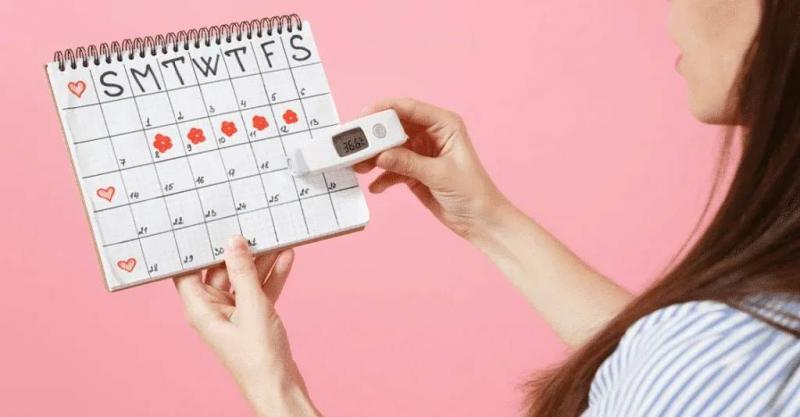
Understanding ovulation days is crucial for women aiming to comprehend their menstrual cycle. Whether it's to enhance the chances of pregnancy or to track cycle regularity, it's essential. Ovulation occurs when one of the ovaries releases a mature egg, during which there's a heightened chance of conception.
Ovulation does not occur on the same day for all women, as its timing varies with the cycle's length and regularity. Multiple signs and methods are available to pinpoint the ovulation period, although no single home method guarantees precise day determination for every woman.
When Do Ovulation Days Occur?
In a regular 28-day cycle, ovulation usually takes place about 14 days before the next menstrual cycle, approximately around the 14th day from the start of the cycle. However, this rule does not apply uniformly; ovulation may occur earlier or later depending on the cycle's length. It's best calculated from the expected next cycle rather than relying solely on the 14th day.
The days surrounding ovulation are called the fertility window, when pregnancy chances are highest, as sperm can survive in the reproductive tract for several days while the egg lives briefly after release.
Signs Indicating Ovulation
Some women notice physical changes around ovulation. Key signs include:
1. Change in Vaginal Discharge
Vaginal discharge may become clearer, wetter, and stretchy like egg whites, indicating high fertility.
2. Slight Increase in Body Temperature
Post-ovulation, basal body temperature slightly increases due to the rise in progesterone levels, noticeable by measuring temperature every morning before getting up and recording it daily. This method is more effective for confirming that ovulation has occurred rather than predicting it.
3. Pain or Cramping in the Lower Abdomen
Some women may experience mild pain or twinges on one side of the lower abdomen during ovulation, although this is not universal and insufficient alone to determine ovulation time.
4. Increased Libido
Some women notice a heightened sex drive during fertile days, but this varies individually.
5. Other Changes
Slight changes such as breast tenderness, bloating, or mood alterations may occur around ovulation, although these are not definitive and can't be solely relied upon.
How to Calculate Ovulation Days Based on Cycle Length?
Estimating ovulation time can be done by knowing the menstrual cycle length, bearing in mind that it's an approximation:
If the cycle is 28 days, ovulation might occur around day 14.
If the cycle is 30 days, ovulation could be around day 16.
If the cycle is 32 days, ovulation might be around day 18.
If cycles are short or irregular, relying on calculations alone is less accurate. The cycle starts with the first day of menstrual bleeding, not when bleeding ends.
Home Ovulation Test
The ovulation test is a useful home method for predicting nearing ovulation, typically measuring the rise in LH hormone in urine, which precedes ovulation. A positive result indicates an LH surge, suggesting approaching ovulation, although its exact timing varies among women. Following specific product instructions is advised, as usage and test timing may vary.
Can Ovulation be Determined Precisely from Discharge Alone?
Discharge can be a helpful clue for nearing fertility, especially when clear and slippery, but it doesn't pinpoint the exact ovulation day. Combining discharge monitoring, cycle calculation, and ovulation tests gives a better fertile period estimate.
What If the Cycle is Irregular?
Calculating ovulation days gets tougher with irregular cycle durations. It's advised not to rely on a fixed date like the 14th day. Observing fertility signs and ovulation tests can help, while doctors can use more precise methods if needed, such as monitoring ovum growth with ultrasound or hormonal tests.
Can Pregnancy Occur Only on Ovulation Day?
Pregnancy can result from intercourse days before ovulation too, as sperm can survive in a woman's reproductive system for several days under suitable conditions. Focusing on the fertility window increases pregnancy chances rather than trying to pinpoint a single day. For contraception, relying solely on ovulation day calculations is not recommended, especially with irregular cycles, as ovulation timing can vary.
When Should You Consult a Doctor?
Consult a gynecologist if the cycle is notably irregular, if periods stop for extended periods, unusual symptoms appear, or pregnancy hasn't occurred despite trying for a suitable time based on age and health. A doctor can help identify reasons for ovulation irregularity if cycle regularity or conception is challenging.
Conclusion: Ovulation days can be estimated by cycle length, observing vaginal discharge, measuring basal body temperature, and using home ovulation tests. Each method's accuracy varies among women, so combining multiple indicators aids in a clearer fertility picture. Crucially, ovulation doesn't necessarily occur on the 14th day of every cycle; this applies roughly to 28-day cycles, while ovulation timing may vary with differing cycle lengths and regularity.