


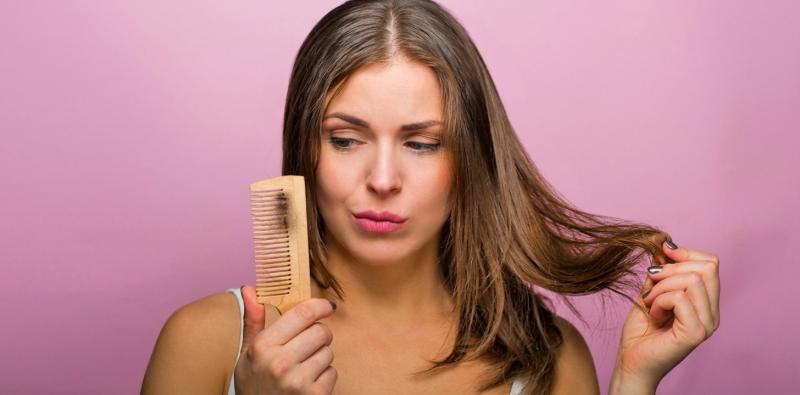
What mistakes cause hair damage? This is a frequently asked question among individuals suffering from dryness, split ends, and weak hair despite using various hair care products. Often, it’s not just about the type of shampoo or conditioner; daily habits significantly impact hair structure, diminishing its strength and shine over time.
Dermatologists and hair care experts highlight that prevention should start by avoiding incorrect practices before seeking treatments. Adhering to a suitable care routine helps reduce damage and maintain healthy, strong hair for longer.
Why Does Hair Get Damaged?
Hair consists of keratin protein, protected and made flexible by natural oils and the outer layer. Damage to this layer due to heat, chemicals, or constant friction increases susceptibility to split ends, dryness, and breakage.
Styling Mistakes and Daily Handling
How you handle your hair directly affects its health. Some minor practices can cause damage over time.

Combing Wet Hair
Hair is more fragile when wet; vigorous combing can cause strand breakage and loss. It’s best to use a wide-tooth comb, detangling from the tips upwards.
Rough Towel Drying
Vigorous towel drying increases friction, causing frizz and split ends. Instead, gently pat the hair dry with a microfiber towel or soft cotton shirt to absorb moisture without damage.
Tight Tying of Hair
Styles like tight ponytails or buns exert consistent pressure on hair follicles, potentially causing "traction alopecia," a type of hair loss from continuous pulling.
Excessive Heat and Chemical Use
Heat styling and dyes are common hair damage culprits, especially with frequent use.
Skipping Heat Protection
Using flat irons or curling devices without heat protectants removes natural moisture, leading to outer layer damage and increased breakage risk.
Applying Heat on Wet Hair
A common mistake is using hot tools on damp hair, evidenced by a sizzling sound—indicative of internal water evaporation from high heat, damaging hair structure.
Overuse of Dye and Bleaching
Dyes and bleaches chemically alter hair for color change. Frequent applications make hair drier and more porous, increasing breakage chances.
Washing and Care Mistakes
Hair washing techniques can greatly affect its health.
Extremely Hot Water Washing
Hot water strips natural oils, leading to dryness and shine loss. Use lukewarm water and finish with a cool rinse.
Neglecting Conditioner Use
Shampoo cleans, while conditioner smoothens strands, sealing the outer layer for moisture retention and lessening tangling and breakage.
Shampoos with Harsh Sulfates
Some sulfate-heavy shampoos over-cleanse, stripping natural oils and causing dryness, especially on colored or curly hair.
Environmental and Lifestyle Factors
Beyond styling and washing, environmental and lifestyle factors also affect hair.
Skipping Regular Trims
Regular trimming of split ends prevents their spread, maintaining hair appearance and health.
Without Sun and Chlorine Protection
Strong sunlight and chlorinated swimming pools dehydrate hair. Moisturize before swimming and use protective products or a hat in intense sun.
Additional Contributing Mistakes
Other habits affecting hair health include:
- Daily hair washing overuse.
- Excessive styling product use.
- Sleeping on wet hair.
- Rough pillowcases increasing friction.
- Harsh diets lacking protein and iron.
- Chronic stress and lack of sleep.
- Inadequate water intake.
How to Maintain Healthy Hair
Minimize hair damage with these simple steps:
- Gentle hair combing with a wide-tooth comb.
- Using heat protectant before styling.
- Reducing heat styling tool usage.
- Washing with lukewarm water instead of hot.
- Choosing suitable shampoo and conditioner for your hair type.
- Weekly moisturizing masks.
- Trimming split ends every 6 to 8 weeks.
- Eating a balanced diet rich in protein, iron, zinc, and vitamins.
- Shielding hair from sun and chlorine.
- Avoiding constant hair pulling.
When to See a Doctor?
If hair damage persists despite following a proper care routine, or is accompanied by severe hair loss, scalp gaps, or consistent itching, consult a dermatologist. Causes might include nutrient deficiencies, hormonal imbalances, or scalp conditions needing diagnosis and treatment.
In Conclusion, many hair damages result from avoidable daily habits, like excessive heat use or skipping proper moisture techniques.
Changing these habits alongside a fitting care routine and balanced diet preserves strong, healthy hair, reducing long-term split ends and breakage.
See Also
How to Maintain Colored Hair?