


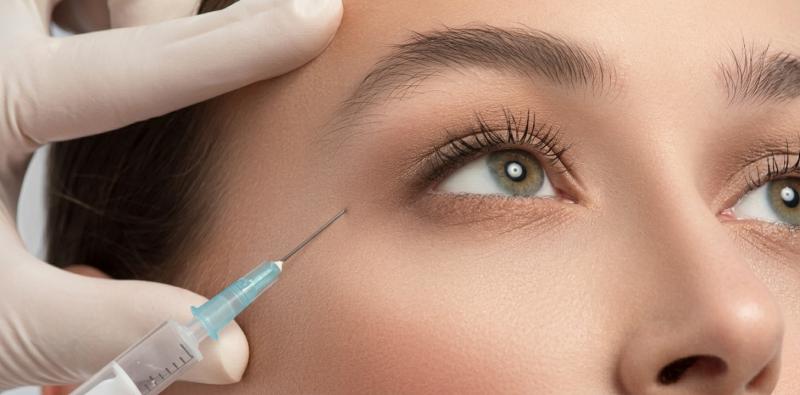
The use of under-eye filler for dark circles has become one of the most widespread cosmetic procedures in recent years, thanks to its ability to enhance the area beneath the eyes and restore lost volume in a non-surgical way. However, many believe that fillers are a magical solution for all types of dark circles, while the outcome actually depends on the underlying cause.
Moreover, a correct diagnosis before injection is the key factor for successful treatment, as circles resulting from volume loss differ from those caused by pigmentation or puffiness or internal health issues. Understanding the nature of the condition helps in selecting the most appropriate treatment and avoiding unsatisfactory results.
How Do Under-Eye Fillers Work?
Fillers are typically made from hyaluronic acid, a substance naturally found in the body that helps retain water and give skin moisture and volume.
When injected into the appropriate area, it compensates for fat loss under the eyes, reducing hollowness and diminishing shadows that make circles more defined, resulting in a brighter and more energetic appearance.
When is Under-Eye Filler the Ideal Choice?
Fillers yield the best results in specific cases, such as:

Presence of a Tear Trough
The loss of natural fat under the eye is one of the most common causes of shadow-induced circles, whether due to genetic factors or aging. In this case, fillers help fill the hollow area and restore balance between the cheek and the area under the eyes, giving the face a more youthful appearance.
Shadow-Induced Circles
If you notice that the darkness lightens or disappears when light is directly shone on your face or when you lift your head in front of the mirror, it's likely due to shadows from hollowness rather than skin pigmentation. In such cases, fillers are among the most effective treatments as they address the core issue.
Good Skin Elasticity
The best results are seen when the skin under the eyes is firm and not significantly saggy, allowing fillers to distribute naturally without clumps or inconsistencies.
When Do Fillers Not Treat Dark Circles?
Despite their efficacy in some situations, fillers are not suitable for all types of dark circles.
Skin Pigmentation
If the darkness arises from increased melanin within the skin, fillers will not lighten the area, as the issue is not volume loss.
In contrast, medical creams, chemical peels, lasers, or other cosmetic procedures might be more fitting as per a doctor's assessment.
Puffiness and Fat Bags
With obvious fat bags or significant sagging under the eyes, adding fillers might accentuate puffiness rather than conceal it. Therefore, surgical eyelid tightening or puffiness treatment could be a better choice in such scenarios.
Health Factors
Dark circles may arise from various health conditions such as:
-Anemia.
-Chronic allergies.
-Sinus congestion.
-Thyroid disorders.
-Lack of sleep and continuous stress.
In such cases, addressing the primary cause first is essential before considering any cosmetic procedure.
Advantages of Under-Eye Fillers
With the right condition, fillers offer numerous benefits, notably:
-Non-surgical procedure.
-Typically short sessions lasting less than an hour.
-Natural-looking results when performed correctly.
-Improvement in hollowness and shadow-induction.
-Shorter recovery time compared to surgery.
-Option to dissolve fillers with hyaluronidase if needed.
Potential Risks and Complications
Like any cosmetic procedure, there may be some side effects, including:
-Slight swelling during the initial days.
-Temporary bruising at the injection site.
-Clumping from improper injection.
-Minor asymmetry between the eyes.
-Persistent swelling if an unsuitable type is used.
-Rare but severe complications when injected into a blood vessel.
For this reason, injections should be done by a specialized doctor with extensive experience in the anatomy of the under-eye area.

How to Choose the Right Doctor?
The success of fillers largely depends on the doctor’s expertise. Consider the following:
-Ensure the doctor specializes in dermatology or cosmetic surgery.
-Review images of past cases.
-Choose a licensed medical center.
-Undergo a comprehensive assessment before injection.
-Discuss expectations and possible outcomes clearly.
What are the Best Types of Under-Eye Fillers?
Most doctors prefer using soft hyaluronic acid-based fillers designated for the under-eye area. These have a light texture that minimizes the risk of clumping or attracting excess water. The doctor selects the suitable type based on skin thickness, hollowness, and facial features for a natural and balanced outcome.
When Do Results Appear and How Long Do They Last?
Initial results appear immediately after injection, but the final outcome becomes more apparent after about two weeks when slight swelling subsides and the material settles. Generally, results last between 6 and 12 months, and they may last longer for some people depending on the filler type and body nature.
Tips Before and After Filler Injection
To achieve the best results, doctors advise:
-Choosing an experienced professional to inject under the eyes.
-Avoiding blood-thinning medications before injection with doctor’s consultation.
-Refraining from rubbing the area post-session.
-Using cold compresses to reduce swelling as needed.
-Avoiding intense exercise for the first 24 to 48 hours.
-Consulting the doctor if swelling persists or severe pain or discoloration occurs.
In conclusion, under-eye filler for dark circles is an effective option when the issue is volume loss or a hollow appearance. However, it's not the right treatment for every case. Therefore, an accurate diagnosis and choosing an experienced doctor are the most crucial steps for achieving natural and safe results.
If dark circles are due to pigmentation, puffiness, or health reasons, other treatments might yield better results than fillers.