


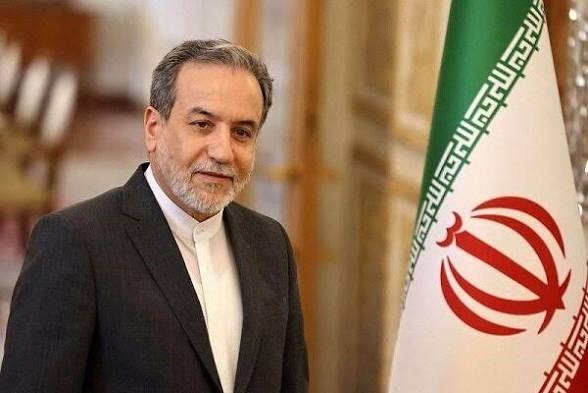
Iran's Deputy Foreign Minister, Abbas Araghchi, announced on Tuesday that Tehran's commitment to peace and stability in the region comes alongside ongoing diplomatic efforts with neighboring countries. These discussions are intensifying as consultations on new plans to ensure safe navigation through the Strait of Hormuz are underway.
In a post on the platform "X," Araghchi stated that recent talks with officials from Pakistan and Oman have highlighted the importance of relying on regional solutions to address current tensions.
He noted that the proposed framework for establishing a new shipping corridor and conducting joint mine-clearing operations, along with discussing future arrangements for managing the Strait of Hormuz, exemplifies Iran's approach to handling the crisis.
Araghchi's remarks coincide with diplomatic movements led by Oman aimed at restoring maritime traffic through the strait, one of the world's most critical channels for oil and gas trade.
Oman and Iran announced that their foreign ministers have consulted on resuming safe navigation through the Strait of Hormuz, exploring a phased framework intended to provide practical and implementable arrangements given the current conditions and repercussions of the regional conflict.
The proposed framework includes the creation of a temporary and shared shipping corridor through the Strait of Hormuz, facilitating a safer resumption of vessel movement during the current phase.
Both parties also agreed to work on executing a joint project to clear the strait of mines, while simultaneously discussing long-term arrangements related to the future of navigation and transit management in this strategic passage.
These initiatives pave the way for a new phase of technical and political negotiations regarding the Strait of Hormuz, as observers await the potential of Iranian-Omani agreements to restart maritime traffic and reduce escalation risks in one of the world's most sensitive maritime passageways.