


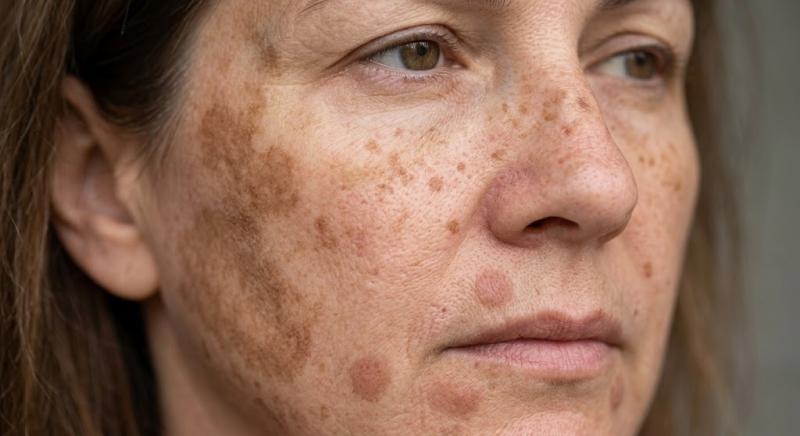
Facial pigmentation is a common skin issue characterized by areas that appear darker than the natural skin tone. These can manifest as small spots or larger patches of skin.
In many cases, these dark spots emerge gradually due to repeated sun exposure. Other causes include inflammation, acne, or hormonal changes.
The appearance of dark spots is not due to a single cause across all individuals. Factors such as skin color, skin nature, age, hormonal changes, and daily habits can all influence pigmentation levels.
What is Facial Pigmentation?
Pigmentation occurs when the skin produces excess melanin, the pigment responsible for skin, hair, and eye color.
Increased or uneven melanin production can lead to patches that are darker than the surrounding skin. While some pigmentation can be temporary and improve gradually, others may persist longer and require specialized treatment.
Main Causes of Facial Pigmentation
- Sun Exposure: Ultraviolet rays are a primary cause of pigmentation. Skin responds to sun exposure by increasing melanin production. Without adequate protection, this can lead to more visible dark spots.
- Hormonal Changes: Hormonal changes can cause a type of pigmentation known as melasma, more common among women. It is often associated with pregnancy or certain hormonal contraceptives.
- Acne Effects: Post-inflammatory hyperpigmentation can occur after acne resolves, more common in medium to dark skin tones.
- Skin Inflammation and Irritation: Pigmentation can occur following skin inflammation or irritation, whether from a skin condition or unsuitable products.
- Popping Pimples and Wounds: Squeezing pimples or scratching can lead to additional inflammation, increasing the risk of dark marks as the skin heals.
- Certain Medications: Some medications can change skin color or increase sensitivity to the sun, causing pigmentation.
- Genetic Factors: Genetics can influence the likelihood of certain types of pigmentation.
Are Darker Skin Tones More Prone to Pigmentation?
Darker skin tones can be more prone to hyperpigmentation, especially after inflammation, injuries, or acne.
Can Cosmetics Cause Pigmentation?
Yes, some products can irritate sensitive skin, leading to post-inflammatory pigmentation. Overuse of certain ingredients can also weaken the skin barrier and increase sensitivity.
How to Prevent Facial Pigmentation
- Sun Protection: Using sunscreen and reducing direct sun exposure can prevent pigmentation.
- Gentle Skin Care: Avoiding harsh scrubbing and aggressive home remedies can reduce irritation.
- Treating Acne Properly: Managing acne can prevent post-inflammatory dark spots.
- Careful Product Selection: Using suitable, non-irritating products can help avoid repeated irritation.
For more on skin care, read: Causes of Severe Skin Dryness and Treatment Methods.