



Skin needs to maintain an adequate level of water and natural oils to allow its protective barrier to function effectively.
When skin loses water rapidly or is exposed to drying factors, a range of changes may occur, such as a rough texture, a feeling of tightness, or loss of radiance.
These signs don't necessarily mean that the skin is naturally dry. Even oily skin can suffer from a lack of hydration.
Cold or dry weather, exposure to air conditioning, and excessive use of harsh cleansers can increase water loss from the skin's surface.
Key Signs Your Skin Needs Hydration
1. Feeling of Skin Tightness
A feeling of tightness, especially after washing the face, is a common sign indicating the skin's need for more hydration.
This sensation may become more noticeable with the use of a strong cleanser or washing with hot water, which can strip some of the oils from the skin's surface.
If your face feels tight or uncomfortable after cleansing, it may be beneficial to review your cleansing method and the type of moisturizer used.
2. Rough Skin Texture
A sign of decreased skin hydration is a rougher texture than usual.
You might notice rough areas upon touching your face, especially around the cheeks or mouth. Sometimes, this roughness is temporary and improves with appropriate hydration.
3. Flaking
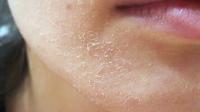
Dry skin may lead to flaking or small scales on the skin's surface.
This issue is evident in dry skin types but can also result from using products that dry out the skin or excessive exfoliation.
It's not advisable to attempt removing flakes by vigorous scrubbing, as this could increase irritation and dryness.
4. Enhanced Appearance of Fine Lines
When skin lacks hydration, fine lines may appear more defined, particularly around the eyes and mouth.
These signs may improve with proper hydration, but a moisturizer is not a remedy for permanent wrinkles; it primarily helps enhance the skin's appearance and surface moisture.
5. Redness and Irritation
Dry skin is more prone to irritation or redness, especially when its barrier is compromised.
Using strong products or frequent exfoliation can exacerbate the issue. It's better to minimize irritating products and simplify your routine when noticing these signs.
6. Loss of Radiance
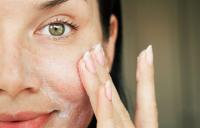
Skin lacking hydration may look less vibrant, with a dull surface appearance, as opposed to being smooth and plump.
Loss of radiance isn't always due to dryness; it can also be linked to lack of sleep, environmental factors, or other skin issues.
7. Increased Sensitivity to Products
If your skin starts to sting or burn when applying products it tolerated before, the skin's barrier might be affected.
In such cases, avoid increasing product use or additional exfoliation to improve appearance. Instead, simplify your routine and focus on gentle products.
Do Oily Skin Types Need Hydration?
Yes, oily skin needs hydration, too.
Oil production doesn't equate to adequate water levels in the skin. Oily skin can be dehydrated, lacking hydration.
Thus, neglecting moisturizer out of fear of increased oiliness isn't advisable. Instead, choose a lightweight formula that suits the skin type and doesn't clog pores for those prone to it.
Difference between Skin Dryness and Dehydration
There's a difference between the two terms.
Skin Dryness generally refers to a lack of natural oils and may be related to skin type.
Dehydration pertains to reduced water content in the skin's outer layer, which can occur with any skin type, including oily skin.
Thus, oily skin may simultaneously experience dehydration.
See Also: Causes of Severe Skin Dryness and Treatment Methods