


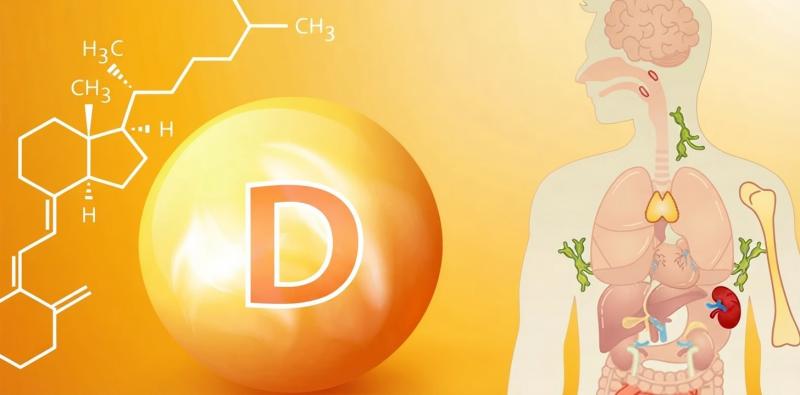
Symptoms of vitamin D deficiency are among the most common health issues globally, especially for individuals who lack sufficient sun exposure, suffer from poor absorption, or follow diets lacking this essential vitamin. Although many symptoms may seem minor at first, prolonged neglect can affect bone health, muscle strength, immune function, and overall quality of life.
However, one cannot rely solely on symptoms for a definitive diagnosis, as many of these issues may relate to other health conditions. Therefore, it's always recommended to conduct a 25-Hydroxy Vitamin D test before taking supplements, ensuring the appropriate dosage is prescribed by a healthcare professional based on individual health needs.
Why Does Vitamin D Deficiency Cause These Symptoms?
Vitamin D plays a fundamental role in the regulation of calcium and phosphorus absorption, vital for maintaining strong bones and teeth. Additionally, it supports muscle function and the immune system. Research suggests it also plays a role in certain neurological and mood functions.
When the body lacks sufficient vitamin D, various systems begin to show gradual symptoms, which can vary from person to person depending on age, severity of deficiency, and overall health condition.
Symptoms of Vitamin D Deficiency

1. Persistent Fatigue and Tiredness
Feeling continuously tired is one of the most common symptoms of vitamin D deficiency. Individuals may experience low energy even after adequate sleep, affecting daily performance, focus, and productivity.
Additionally, this fatigue may persist over time without an apparent cause, leading some to believe the issue is psychological or related to life stress, when the root cause could be low vitamin levels.
2. Bone Pain and Lower Back Pain
Vitamin D ensures efficient calcium absorption, thus, its deficiency can lead to weakened bones and chronic pain, particularly in the lower back, pelvis, and joints.
Over time, mobility may become increasingly difficult, especially for older adults, with an increased risk of osteoporosis and fractures if the deficiency remains untreated.
3. Weakened Immunity and Frequent Infections
Vitamin D affects the activity of immune cells that combat viruses and bacteria, so individuals may notice increased susceptibility to colds, flu, or respiratory infections. Recovery times can also be extended compared to those with adequate vitamin levels, emphasizing the importance of immune health.
4. Mood Swings and Depression
Research indicates a link between low vitamin D levels and mood disorders, especially during winter months with limited sun exposure.
However, low vitamin D isn't the sole cause of depression; multiple factors affect mental health. Correcting the deficiency might be an essential part of a broader treatment plan.
5. Slow Wound Healing
If wounds or scratches take longer to heal, it may be due to vitamin D deficiency. The vitamin is involved in regulating inflammatory processes and tissue repair, aiding the body’s natural recovery after injuries or surgeries.
6. Severe Hair Loss
Hair loss can have several causes, such as iron deficiency, thyroid disorders, and hormonal changes. Yet, some studies suggest that low vitamin D might contribute to weakened hair follicles in certain individuals.
Therefore, don’t assume vitamin deficiency is the sole culprit; perform necessary tests to identify the true cause.
7. Muscle Pain and Weakness
A deficiency may lead to muscle weakness, pain, or cramps, even after light exertion. For older adults, this may make maintaining balance more challenging, increasing the risk of falls and injuries.
8. Increased Head Sweating
Excessive sweating in the head and forehead has historically been linked to vitamin D deficiency, especially in children, but it can also be observed in some adults.
However, this symptom alone isn’t definitive proof of deficiency, as it may result from factors such as heat, physical activity, or certain hormonal disorders.
9. Difficulty Losing Weight
Some studies suggest a correlation between low vitamin D levels and weight gain, though this relationship is still under study, and vitamin deficiency alone does not prevent weight loss.
Hence, if you're struggling with weight loss, assess your diet, physical activity, and hormonal status alongside checking vitamin D levels.

10. Poor Concentration and Memory Lapses
Some individuals may experience poor concentration, mental fog, or difficulty remembering details, potentially linked to vitamin D deficiency.
However, these symptoms can also result from inadequate sleep, stress, or deficiencies in other vitamins, thus not conclusive for diagnosing the condition on their own.
Who Is at Higher Risk for Vitamin D Deficiency?
Certain groups are more susceptible to deficiency, including:
- Seniors.
- Individuals spending most of their time indoors.
- People with darker skin.
- Pregnant and breastfeeding women.
- Individuals with obesity.
- Those with gastrointestinal disorders or malabsorption.
- Individuals who have undergone certain weight-loss surgeries.
- Those following a diet lacking vitamin D sources.
How Is Vitamin D Deficiency Diagnosed?
The most accurate method for diagnosing vitamin D deficiency is a blood test known as 25-Hydroxy Vitamin D. Based on the results, a doctor can determine if a person has a deficiency, insufficiency, or normal levels, prescribing the appropriate dosage tailored to the individual's age, health, and degree of deficiency, as excessive supplementation can lead to elevated calcium and associated complications.
Best Sources of Vitamin D
Maintaining adequate levels of vitamin D can be achieved through several means, including:
- Moderate sun exposure.
- Fatty fish like salmon, sardines, and tuna.
- Egg yolks.
- Liver.
- Fortified milk and dairy products.
- Cereals fortified with vitamin D.
- Supplements as needed, under medical supervision.
When to Consult a Doctor?
If experiencing several of the mentioned symptoms persistently, it’s advisable to see a doctor for necessary testing. Always seek medical advice before taking high doses of vitamin D, as indiscriminate use might lead to side effects and complications as serious as the deficiency itself.
In conclusion, symptoms of vitamin D deficiency signal an issue that merits attention, although they are not sufficient alone for diagnosis. Fatigue, muscle pain, weakened immunity, or mood fluctuations may have multiple causes.
Through balanced nutrition, moderate sun exposure, and adherence to medical recommendations when supplements are needed, individuals can maintain healthy vitamin D levels, supporting long-term bone, muscle, and immune health.
See Also
Does Vitamin D Deficiency Cause Fatigue and Lethargy? Here's the Truth