


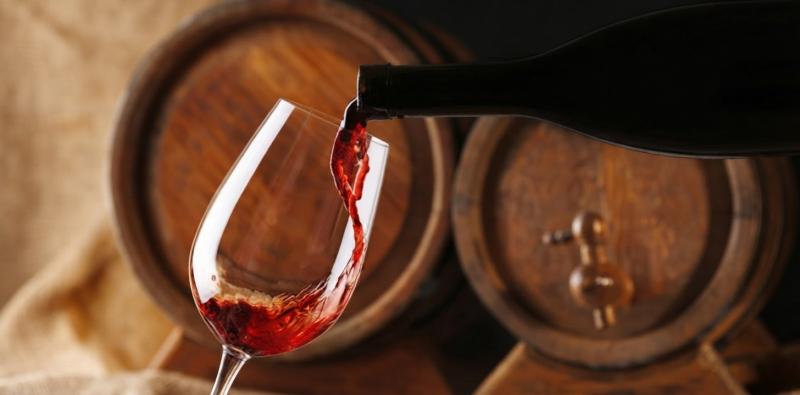
Zahle has been closely associated with arak and wine production for thousands of years, establishing itself as a symbol of traditional beverage crafting in Lebanon and a key historic center for wine production in the Middle East. The city's strategic location in the heart of the Beqaa Valley, coupled with its mild climate and fertile soil, has made it an ideal environment for vineyard cultivation and the production of high-quality grapes.
Beyond its economic impact, this industry has become a part of the city's identity, culture, and heritage. Zahle achieved international recognition by joining the World Wine Cities network, making it the first Arab city to receive this designation, which has bolstered its stature as a premier wine tourism destination in the region.
The Origins of Vineyard Cultivation in Zahle
Vine cultivation in the Beqaa Valley dates back over six thousand years, with the Phoenicians excelling in viticulture and wine production, spreading these practices across the Mediterranean.
Thanks to this historical legacy, the Zahle area has maintained its status as one of Lebanon's prime agricultural regions, with grape cultivation continuing across generations as a key element of the local economy.
Why is Zahle Ideal for Wine Production?
Zahle boasts several natural factors that make it one of the best grape-growing regions in the Middle East.
Suitable Climate
The city is situated approximately one thousand meters above sea level, offering moderate daily temperatures and cool nights, conditions that ensure balanced grape ripening.
Abundant Sunshine
The region enjoys more than 300 sunny days each year, crucial for increasing sugar concentration and enhancing grape flavor.
Limestone Soil
Additionally, Beqaa's lands are characterized by mineral-rich limestone soil, enhancing crop quality and lending unique attributes to the wine.
The Advent of Modern Wine Production
The Lebanese wine industry underwent a significant transformation during the 19th century when the Jesuits established the first modern wine project in the nearby Ksara area in 1857.
The monks introduced European grape varieties and modern cultivation and fermentation techniques, elevating production quality and laying the foundation for modern Lebanese winemaking.
Ancient Cellars for Wine Storage
In the late 19th century, a network of underground tunnels and natural cellars was discovered near Zahle, some thought to date back to the Roman era.
These cellars have been used for wine storage and aging ever since, offering a stable environment with constant temperature and humidity, ideal for preserving wine quality and enhancing flavor over time.
Zahli Arak: A Lebanese Delicacy
In addition to wine, Zahle is renowned for producing traditional Lebanese arak, a drink closely tied to Lebanese cuisine. Zahli arak is made from fermented grape juice, distilled three times in traditional copper stills, with the final distillation incorporating anise for its distinctive flavor and aroma.
The Secret Behind Zahli Arak's Quality
The uniqueness of Zahli arak stems from several factors, including:
-High-quality grapes.
-Traditional triple distillation.
-Use of local anise.
-Aging in clay jars for several months.
-Renowned purity and clarity among producers.
Zahli arak's widespread acclaim extends beyond Lebanon, representing the city's culinary heritage.
Prominent Wine and Arak Producers in Zahle
Zahle and its surroundings host some of Lebanon's oldest and most famous wineries, exporting products to dozens of countries worldwide.
Château Ksara
Château Ksara, Lebanon's oldest still-operating winery, is famed for its historic aging cellars, attracting thousands of visitors annually and offering a diverse range of Lebanese wines.
Domaine des Tourelles
Founded in 1868, it is known for preserving traditional production methods in both wine and arak making, blending historical expertise with modern techniques.
Domaine Wardy
One of Zahle's venerable family-run enterprises, starting wine and arak production in the late 19th century, continuously developing its offerings while maintaining local character.
Château Khoury
A modern model of Lebanese winemaking, relying on grape cultivation on the mountains around Zahle to produce wines reflecting the Beqaa's mountainous environment.
Zahle and Wine Tourism
Wine production has transcended its economic role, becoming part of the city’s tourism sector. Thousands of tourists visit Zahle annually for winery tours, learning about production processes, exploring historic cellars, and enjoying traditional restaurants overlooking the Berdawni River, serving famous Lebanese dishes. These tours support the local economy and acquaint visitors with the city's history and agricultural heritage.
Global Recognition of Zahle
Zahle's international recognition came when it became the first Arab city to join the World Wine Cities network, an achievement highlighting the city's significance in the global wine industry.
This distinction confirms Zahle's standing, rooted in its long history and product quality, alongside its role in promoting agro-cultural tourism in Lebanon.
Why is Zahle Still Maintaining Its Status?
Despite advancements in winemaking across various countries, Zahle retains its status for several reasons, including:
-A history spanning millennia.
-An ideal natural environment for viticulture.
-Esteemed producers integrating heritage with modern technology.
-Quality of Beqaa-grown grapes.
-Global fame in wine and arak production.
-Growing interest in wine tourism.
In conclusion, the story of Zahle, arak, and wine is a testament to a city that has transformed its natural resources and agricultural heritage into a distinctive cultural and economic identity. From the Phoenician era to today, Zahle remains a hub for wine and arak production in Lebanon, with its time-honored wineries perpetuating this legacy from one generation to the next.
With global recognition of its status, the city has become a magnet for history enthusiasts, nature lovers, and wine tourists, remaining one of the most pivotal cities associated with this industry in the Arab world.
See Also
Romantic Spots in Zahle: Ideas for a Special Outing
The Valley of Orchards in Zahle: What Do You Know About the City's Famous Destinations?