


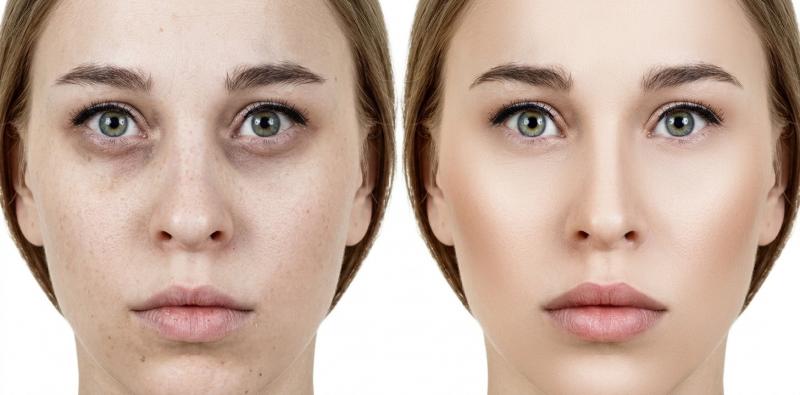
Dark circles are among the most common beauty concerns, affecting people of all ages—even those getting enough sleep. While many link their appearance to staying up late or exhaustion, the reasons are far more varied, involving genetic, anatomical, and lifestyle factors.
The nature of dark circles varies among individuals; they may appear brown due to pigmentation, blue or purple due to visible blood vessels through thin skin, or result from shadows cast by facial contours.
Causes of Dark Circles
1. Genetics
Genetics play a significant role in the development of dark circles. Some people may start noticing them in childhood or adolescence, particularly if parents or family members also experience this issue. Genetic factors can lead to increased pigmentation around the eyes or specific facial structures that create shadows, making the area appear darker, even without actual pigmentation.
Moreover, hereditary dark circles can be challenging to eliminate entirely but may be improved with proper skincare or medical treatments determined by a dermatologist.

2. Thinning Skin and Aging
As we age, changes in the skin make the under-eye area more prone to showing blood vessels and wrinkles due to the loss of collagen and fat. Decreased skin thickness and elasticity increase the visibility of underlying vessels, often resulting in a blue, purple, or dark appearance.
Additionally, fat loss and redistribution can deepen under-eye hollows, making shadows more apparent. However, dark circles appearing with age are usually a natural part of skin changes, not necessarily indicating a health problem.
3. Eye Strain and Prolonged Screen Time
With digital screens being a staple of daily life, prolonged use can lead to eye strain, dryness, and fatigue, making the surrounding area look more tired. Although the direct link between screen time and dark circles isn't established, eye strain can highlight fatigue, while lack of sleep, eye dryness, or frequent rubbing might indirectly affect dark circles.
Regular breaks from screens and appropriate screen distance, along with avoiding eye rubbing when fatigued, are recommended.
4. Allergies and Itchy Eyes
Allergies can darken and puff the skin around the eyes through symptoms like itching, tearing, and congestion, leading to frequent eye rubbing. This habit can increase irritation and inflammation of the sensitive skin, highlighting discoloration. Managing allergy symptoms can reduce the appearance of related dark circles, especially if rubbing is a primary factor.
5. Dehydration and Fluid Deficiency
Dehydration can leave skin looking dry and dull, accentuating the under-eye area and making circles more visible. Insufficient fluid intake might cause eyes to appear sunken, intensifying shadows. However, dehydration isn’t a definitive cause of chronic dark circles, though it can temporarily enhance their appearance. Maintaining proper hydration is a crucial aspect of skincare and overall health.
Is Lack of Sleep the Only Cause of Dark Circles?
Lack of sleep and fatigue can palen or darken the area around the eyes, but they are not the sole cause of dark circles. The issue might persist due to genetics, pigmentation, skin thinning, or facial structure, and merely improving sleep may not address the underlying reason.
How to Reduce the Appearance of Dark Circles
Addressing dark circles depends on the root cause, so a universal approach doesn't apply to everyone. However, adopting some habits can enhance the area's appearance.
Beneficial Daily Habits
- Ensure adequate, regular sleep.
- Stay well-hydrated.
- Use sunscreen to prevent pigmentation increase.
- Avoid eye rubbing.
- Treat allergies as needed.
- Take regular breaks during prolonged screen time.
- Use suitable skincare products for the eye area.
If dark circles are severe, sudden in onset, or accompanied by persistent swelling or other skin changes, consulting a dermatologist is advisable for an appropriate diagnosis and treatment.
In conclusion, dark circles are not always linked to sleeplessness. Various factors, from genetics and facial structure to skin thinning, allergies, dehydration, and daily habits, may contribute. By focusing on sufficient sleep, hydration, sun protection, allergy management, and avoiding eye friction, many can improve the appearance and vitality of the eye area.
See Also
Treating Dark Circles Under the Eyes
Best Dermatology Clinics in Beirut for Treating Pigmentation and Dark Circles