


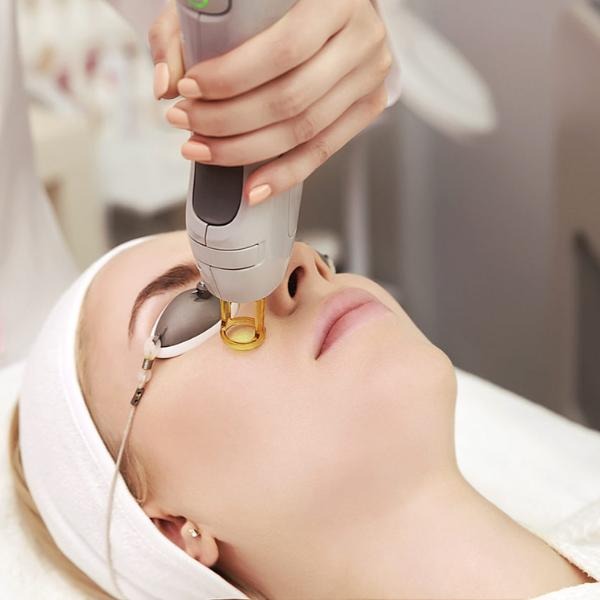
Laser treatment for dark circles around the eyes represents a significant advancement in cosmetic options. This procedure can effectively enhance the appearance of the under-eye area, especially when discoloration is due to increased pigmentation or skin tone changes often associated with aging. Identifying the underlying cause of dark circles is crucial before selecting the appropriate laser type.
Not everyone's dark circles look the same; they can appear brown due to hyperpigmentation or blue and purple because of visible blood vessels through thin skin. Sometimes, the issue may be related to hollowing and volume loss under the eyes. Consulting a dermatologist or an eye area cosmetic specialist is an important first step before undergoing any treatment.
Understanding Laser Treatment for Dark Circles
Laser treatment involves using targeted light energy to address the specific cause affecting the under-eye area. Some laser techniques focus on excessive melanin, while others aim to refine skin texture and stimulate collagen production. The choice of laser and treatment method varies based on skin type, the nature of the dark circles, skin thickness, and the presence of visible pigmentation or blood vessels, as well as any wrinkles or sagging.
Types of Dark Circles Treatable by Laser:
Hyperpigmented Dark Circles: Often brown or dark brown, these may be tied to increased melanin production, exposure to the sun, heredity, or repeated friction around the eyes. Certain lasers or light-based techniques can reduce pigmentation and promote even skin tone. A professional determines suitable devices and settings depending on skin type and pigmentation level.
Blue or Purple Dark Circles: These arise from the thinness of skin under the eye, revealing blood vessels beneath. In some cases, specialized light or laser treatments can lessen their appearance, but careful assessment is necessary as dark shading might result from multiple factors simultaneously.
Fine Lines and Wrinkle-Associated Dark Circles: Aging can lead to thinner skin and decreased elasticity, making the structures beneath more prominent. Rejuvenating lasers can improve skin texture and stimulate collagen production, lending the area a smoother and more uniform appearance.
Volume Loss-Induced Dark Circles: Note that laser treatments don't fill in hollows or compensate for fat or volume loss under the eyes. If shadowing primarily results from significant tear troughs or volume loss, alternative options like fillers might be necessary under professional advisement.
Laser Technologies for Dark Circles:
Devices used vary case by case, with potential treatments including:
Q-Switched Laser: Used for pigmentation cases to brighten areas with excess melanin.
Pico Laser: Utilizes ultra-short pulses for targeting pigmentation, selected by experts based on evaluation.
Fractional Laser: May enhance skin quality, promote collagen, and address wrinkles and sagging. However, using it near the eyes requires expertise and proper protective measures.
Vascular Laser Technologies: Suitable for cases where visible blood vessels significantly affect skin color.
Not all these technologies suit every individual, necessitating device selection and setting post skin assessment around the eye area.
Benefits of Laser Treatment for Dark Circles:
The treatment's advantages vary based on the root cause, such as:
- Improving dark pigmentation appearance.
- Evening out skin tone around the eyes.
- Enhancing skin texture.
- Collagen production stimulation in some techniques.
- Reducing fine lines and wrinkles.
- Improving the appearance of delicate skin where applicable.
- Ability to combine with other treatments for multifactorial dark circles.
Results can differ widely among individuals, and while lasers may enhance the appearance of dark circles, they don't necessarily eliminate them entirely.
Session Requirements and Results Duration:
No fixed number of sessions applies universally as it depends on the laser type, severity of dark circles, skin characteristics, and treatment objectives. Some may require multiple spaced-out sessions, with treatment plans varying by different technologies. Professional assessment of treatment response informs the number and timing of sessions.
It's prudent not to rely on promises of complete removal in a single session, as cosmetic results typically require time and gradual assessment.
Pain and Discomfort:
The sensation during sessions depends on the device and treatment intensity. Some may experience mild heat or tingling with certain lasers, but professionals can provide suitable discomfort alleviation options. The under-eye area is sensitive, so treatment by an experienced practitioner is essential, with adherence to appropriate eye protection measures.
Potential Side Effects:
While laser procedures are commonplace in dermatological and cosmetic applications, temporary side effects or infrequent complications may occur, requiring treatment. Possible side effects include redness, swelling, warmth or sensitivity, dryness or peeling in some treatments, temporary skin color changes, and post-inflammatory hyperpigmentation, particularly with darker skin tones.
The selection of laser settings must be meticulous, avoiding inappropriate centers or unsuitable devices for the eye area.
Post-Treatment Care Tips:
After sessions, strict adherence to doctor's instructions is crucial, including:
- Avoiding direct extensive sun exposure.
- Using prescribed sunscreen products.
- Not rubbing or scratching the area.
- Avoiding powerful products or scrubs without consultation.
- Keeping the area moisturized if advised.
- Attending follow-ups and evaluating results.
Strong homemade remedies should be avoided on the area post-laser due to increased skin sensitivity during recovery.
Suitability Considerations:
Laser might not suit certain scenarios or may require postponement, such as active infection or inflammation, severe skin irritation, certain skin conditions, or particular medications affecting healing. Disclosing any skin treatments or medications to the doctor before sessions is important, along with explaining any history of pigmentation or cosmetic treatment reactions.
Choosing the Right Specialist:
When seeking a specialist for laser treatment of dark circles, focus not solely on the device but prioritize the doctor's expertise with the under-eye area and varied causes of dark circles. Opt for certified dermatologists or cosmetic experts, requesting a clear explanation of:
- The cause of your dark circles.
- The suggested laser type.
- Expected session numbers.
- Recovery periods.
- Potential side effects.
- Alternatives if laser is unsuitable.
- Realistic results expectations.
Conclusion:
Laser treatment for dark circles can be beneficial for specific cases, especially linked to pigmentation, skin quality, or blood vessels. Successful treatment relies critically on identifying the true cause of dark circles and selecting the right technique. For volume loss-related dark circles beneath the eyes, alternative options might be necessary, given laser doesn't restore lost volume. Therefore, a specialist evaluation is crucial before deciding on treatment, setting realistic expectations, and understanding no single technique is a panacea for all dark circle types.