


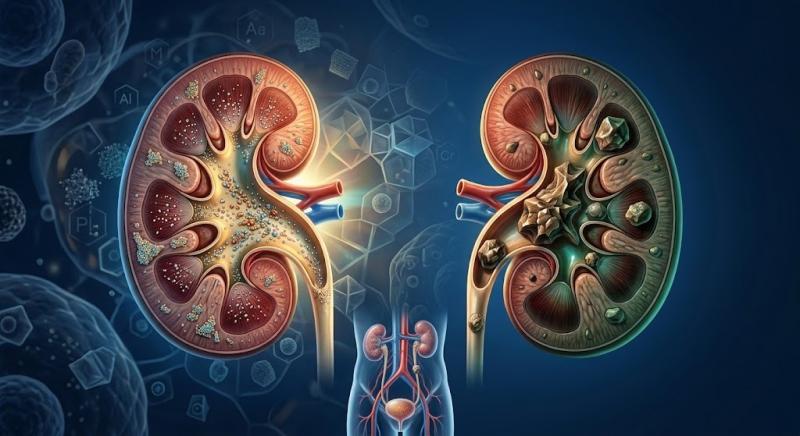
Individuals may experience side pain or changes in urine, prompting a search for the difference between kidney sand and kidney stones, as the terms are sometimes used interchangeably. Despite their relationship, the size of these deposits can influence symptoms and the likelihood of urinary tract obstruction.
Initially, small crystals can pass with urine, but over time, these crystals may aggregate to form larger stones. Recognizing the difference between these conditions helps in identifying symptoms to monitor and determining when medical consultation is necessary.
What is the Difference Between Kidney Sand and Kidney Stones?
Kidney sand typically describes extremely small crystals or deposits formed inside the kidneys, while kidney stones refer to larger solid masses created by the accumulation of these crystals. Therefore, sand and stones are not entirely separate issues, as tiny crystals may represent an early phase in stone formation.
The impact of these deposits varies based on their size and location; while small particles may easily pass through urine, larger stones might lodge in the ureter and obstruct urine flow.
What is Kidney Sand?
Kidney sand is a common term for small crystals resulting from the increased concentration of certain minerals and salts in urine. These crystals can be composed of various materials, including calcium, oxalate, and uric acid, depending on the specific condition.
In some cases, the crystals are so tiny that they cause no symptoms and may be discovered incidentally during a urine test or kidney imaging. However, when these crystals move through the urinary tract, they may cause irritation, pain, or changes in urine.
What are Kidney Stones?
Kidney stones are solid masses that form when crystals and minerals in urine accumulate in the kidneys. The stones vary in size and composition; some are small enough for natural expulsion, while larger stones require medical attention.
Not all stones trigger the same symptoms, which largely depend on their location and whether they block urine flow.
Symptoms of Kidney Sand
Kidney sand may not cause noticeable symptoms when the crystals are small, but as they migrate from the kidneys to the urinary tract, certain signs may appear.
Main Possible Symptoms
- Pain in the flank or lower back.
- Burning or pain during urination.
- Increased urge to urinate.
- Changes in urine color.
- Blood in urine.
- Lower abdominal pain.
- Pain that may radiate to the groin area.
Symptom severity depends on the amount and location of the deposits and their effect on the urinary tract.
Symptoms of Kidney Stones
Kidney stone symptoms become more apparent as the stone moves from the kidney into the ureter, especially if it leads to partial or complete obstruction.
Renal colic pain is among the most common symptoms, often severe, sudden, and wave-like.
Common Symptoms
- Severe pain on the side or lower back.
- Pain radiating to the lower abdomen or groin.
- Pain during urination.
- Frequent urge to urinate.
- Blood in urine.
- Nausea or vomiting.
- Changes in urine smell or appearance in some cases.
Symptom intensity relies on the stone's size, location, and movement ability within the urinary tract.
Can Kidney Sand Become Stones?
Small crystals can grow and develop into stones when conditions promoting mineral and salt deposition in urine persist, such as dehydration and high concentrations of substances in urine, alongside dietary, genetic, and health factors.
Identifying crystals or deposits may provide an opportunity to address underlying causes and reduce the probability of future stone formation.
What Causes Kidney Sand and Stones?
Kidney deposits form when urine is so saturated that certain substances crystallize and concentrate.
Key Causes and Factors
- Insufficient water intake.
- Repeated dehydration.
- High levels of certain minerals in urine.
- Increased uric acid.
- Dietary habits.
- Excessive salt intake.
- Family history of kidney stones.
- Metabolic-affecting diseases.
- Certain medications.
- Past kidney stone occurrences.
Does Dehydration Cause Kidney Sand and Stones?
Dehydration significantly heightens the risk of kidney stone formation. With reduced fluid intake, urine becomes more concentrated, facilitating the aggregation of minerals and substances into crystals.
Maintaining body hydration aids in lessening the concentration of substances that may form stones, with fluid requirements varying by health status, activity level, and temperature.
How are Kidney Sand and Stones Diagnosed?
Diagnosis involves considering symptoms, medical history, and physical examination, with possible tests to determine the condition's nature.
Urine tests reveal blood or substances linked to stone formation, while blood tests assess kidney function and other indicators. Imaging can identify stone presence, location, and size, with suitable tests varying by case and symptoms.
See Also:
How to Maintain Fresh Skin Without Makeup?