


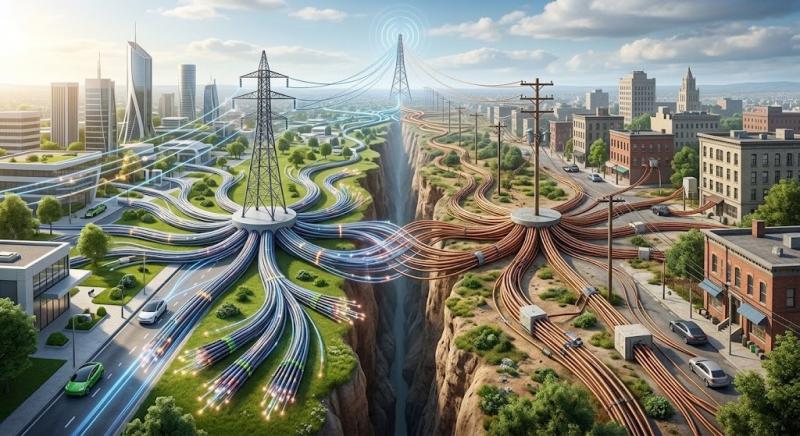
As internet connectivity becomes a crucial factor in determining the quality of user experience, it's essential to understand the differences between Fiber and DSL connections. Whether it's for streaming video content, working or studying from home, gaming, or internet calls, the technology behind your internet connection plays a significant role in speed and stability.
While two users might have subscriptions with the same speed, their experiences can vary greatly based on the technology used for service delivery. Fiber and DSL are two prominent technologies for internet access, each with its distinct advantages and limitations.
What is Fiber Technology?
Fiber technology uses thin strands made of glass or similar materials to transmit data through light signals. This allows for very high-speed data transfer and is less susceptible to issues that typically affect copper cables. Fiber is widely used in modern communication networks, including home internet and essential city and data center networks.
What is DSL Technology?
DSL technology uses copper telephone lines to transmit digital data, allowing for simultaneous use of the phone line for calls in some applications. With various types of DSL services, performance and speed can vary based on the specific service type, the quality of the copper line, and the distance from the communication center.
Difference Between Fiber and DSL
The primary difference lies in the data transmission method. Fiber optics rely on light transmission, whereas DSL uses signals via copper wires. This fundamental distinction results in differences in speed, range, and connection quality.
Speed
Fiber optics typically provide much higher speeds compared to DSL, making them ideal for applications demanding large data transfers. DSL speeds are more affected by line quality, distance from the communication center, and the specific technology used.
Stability
Fiber connections usually offer more stability, especially at higher speeds, whereas DSL can experience fluctuations in performance due to factors like line length and quality.
Upload and Download Speed
Fiber networks often provide high upload speeds, sometimes matching download speeds, which is crucial for uploading large files or video conferencing. In contrast, DSL usually offers slower upload speeds than download speeds, which might not be sufficient for users heavily reliant on data uploads.
Latency
Latency is critical for activities like gaming and video calls requiring fast response times. Fiber generally offers lower latency, although actual performance also depends on server location, provider network quality, and data routing method. DSL can be sufficient for everyday use, but line characteristics and distance to service centers may impact latency.
Distance Impact
Distance significantly impacts DSL performance, with speeds potentially decreasing as the distance between the user and the communication center increases. In contrast, fiber can maintain high-quality data transmission over longer distances.
Which is Better for Online Gaming?
Fiber optics is an excellent choice for gamers needing stable connections and low latency. However, speed alone isn't the only factor affecting gaming quality; network stability, game server location, and number of connected devices also play vital roles.
Which is Better for Working and Studying from Home?
The answer depends on usage needs. Fiber is advantageous for frequent video meetings, large file uploads, and cloud services access, whereas DSL may suffice for browsing, messaging, and moderate content viewing if stable.
Which is Better for Movie Streaming and Online Broadcasting?
Both technologies can support streaming services, but fiber offers better handling of multiple devices simultaneously. For households using several devices for streaming, gaming, and computing, fiber provides the capacity and stability needed for intensive use.
Is Fiber More Expensive Than DSL?
Pricing varies by country, service provider, subscription speed, and available infrastructure. Some fiber packages may cost more than DSL, but prices aren't consistent across markets, and a comparison of actual speed, service, and usage needs is advisable.
Can Fiber Be Installed in Any Home?
Fiber availability depends on existing infrastructure and network connection to the area and building. Some users may find DSL available where fiber isn't yet an option. If both options are available, comparing speed, stability, and cost can guide the best choice.
Is DSL Outdated and No Longer Suitable?
Despite fiber's expansion, DSL remains in use, especially where fiber networks haven't reached. DSL can be adequate if line quality is good and speeds suffice for user needs. However, fiber is often the preferred choice when available at a reasonable price for higher speeds and future usage demands.