


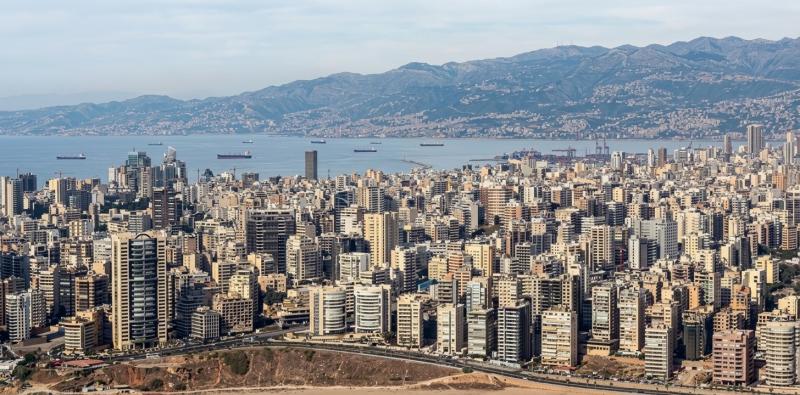
Beirut's administrative geography is a frequent subject of interest for both residents and visitors of the Lebanese capital. The diversity of its neighborhoods and the unique character of each area in terms of history, population, and services are notable. Beirut encompasses numerous administrative regions consisting of residential, commercial, and heritage neighborhoods that collectively define the city’s identity.
Moreover, each area in Beirut has distinctive features. Some are known for their commercial and economic centers, while others are famous for historical landmarks, waterfronts, universities, or cultural facilities. This guide outlines all of Beirut's administrative regions and their notable neighborhoods according to the official sequence.
How is Beirut City Divided Administratively?
The Lebanese capital is divided into 12 main administrative regions. Each region contains various neighborhoods that differ in size and residential, commercial, or touristic nature. This division aids in organizing services and local administration within the city.
Beirut's Administrative Regions in Order
1. Port District
The Port District serves as the maritime gateway to the Lebanese capital, playing a significant role in commerce and economics. It also includes the city's eastern waterfront. It contains the following neighborhoods:
-Port Neighborhood
-Majidiya Neighborhood
2. Downtown Area (Minet el Hosn)
Known as "Downtown Beirut" or "Solidere," this area is the political, economic, and historical heart of the capital. It hosts many official institutions, markets, and heritage buildings, including:
-Serail Neighborhood
-Nigget Neighborhood
-Minet el Hosn Neighborhood
3. Zuqaq al-Blat Area
One of Beirut’s oldest neighborhoods, located just south of the city center, known for its heritage atmosphere and historical buildings. It includes:
-Zuqaq al-Blat Neighborhood
-Patriarchy Neighborhood
4. Mousaitbeh Area
Among the largest administrative districts in the capital by area, combining residential, commercial, and service zones. It includes:
-Mousaitbeh Neighborhood
-Onesco Neighborhood
-Tallet el Khayat Neighborhood
-Dar Mreisseh Neighborhood
-Parts of Mazraa Neighborhood
-Wata Mousaitbeh Neighborhood
5. Mazraa Area
Mazraa is known for being one of Beirut's most vibrant districts with its high population density, commercial centers, and popular markets. It includes:
-Mazraa Neighborhood
-Lower Basta Neighborhood
-Upper Basta Neighborhood
-Borj Abi Haidar Neighborhood
-Tariq el Jdideh Neighborhood
6. Ras Beirut Area
Ras Beirut is renowned for housing the American University of Beirut and the famous Hamra Street. It's noted for its cultural and touristic life. It includes:
-Ras Beirut Neighborhood
-Hamra Neighborhood
-Koraytem Neighborhood
-Manara Neighborhood
-Raoucheh Neighborhood
7. Ain El Mreisseh Area
Located on the capital's western waterfront, known for overlooking Beirut's Corniche, with hotels and tourist restaurants. It includes:
-Ain El Mreisseh Neighborhood
-Phoenicia Neighborhood
8. Bashoura Area
Bashoura is in central Beirut, historically a connection point between the east and west of the city. It includes:
-Bashoura Neighborhood
-Basta Neighborhood
9. Ashrafieh Area
Ashrafieh is one of East Beirut's most famous residential and commercial areas, characterized by lively streets and heritage buildings. It includes:
-Ashrafieh Neighborhood
-Sioufi Neighborhood
-Mar Mitr Neighborhood
-Nazareth Neighborhood
-Gabi Neighborhood
10. Saifi Area
Located directly east of central Beirut, known for heritage buildings, art galleries, and upscale restaurants. It includes:
-Saifi Neighborhood
-Gemmayzeh Neighborhood
11. Rmeil Area
Renowned for its heritage and cultural character, Rmeil hosts several hospitals and educational institutions. It includes:
-Rmeil Neighborhood
-Mar Mikhael Neighborhood
-Greek Hospital Neighborhood
-Jeitawi Neighborhood
12. Medawar Area
Situated in the northeastern part of the capital near the port, comprising important industrial and residential areas. It includes:
-Medawar Neighborhood
-Khodr Neighborhood
-Quarantine Neighborhood
Iconic Neighborhoods of Beirut
The Lebanese capital hosts a variety of neighborhoods that are among its top tourist and commercial attractions. These include Hamra, Raoucheh, Gemmayzeh, Mar Mikhael, Ashrafieh, Tariq el Jdideh, Ras Beirut, and Ain El Mreisseh, known for their cultural diversity and vibrant dining, café, market, and shopping centers.
The Importance of Administrative Division in Beirut
Administrative division aids in organizing public services, managing infrastructure, and distributing municipal projects. It also facilitates the identification of geographical and real estate sites within the capital. Additionally, this division helps preserve the historical and cultural identity of each neighborhood and area.
Ultimately, Beirut's administrative regions reflect the Lebanese capital’s historical, cultural, and urban diversity. Each area possesses a unique character distinguishing it from others. Mix of heritage neighborhoods, commercial zones, and waterfronts make Beirut a city that blends tradition and modernity, making understanding its administrative division crucial for visitors or geography enthusiasts.
See Also
Does Weesh Money Operate in Lebanon?
How Much Do Beauty Salon Prices in Beirut? A Comprehensive Guide