


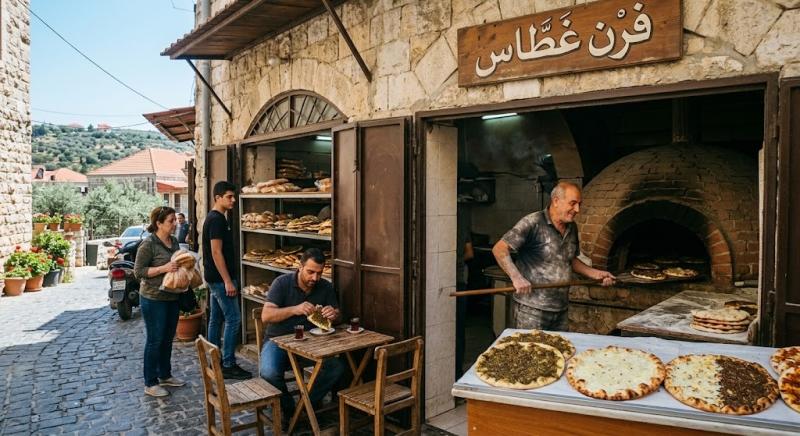
Za'atar manakish hold a special place on the Lebanese breakfast table. These pastries are deeply rooted in Lebanon's daily life, baked in local ovens that start preparing the dough early in the morning.
The aroma of za'atar mixed with olive oil and freshly baked dough has turned the manakish into a simple, quick meal that combines traditional flavors. It remains a staple across various Lebanese regions.
With so many options, choosing the best bakeries can be challenging. This article outlines the most famous za'atar manakish bakeries in Lebanon, highlighting those that have earned their reputation for traditional Lebanese baked goods.
List of Famous Za'atar Manakish Bakeries in Lebanon:
Fern Ghattas
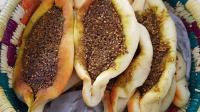
Fern Ghattas, located in Gemmayze, is a well-known bakery offering Lebanese traditional baked goods. Its manakish, made in a simple yet authentic manner, is a must-try for za'atar lovers.
Ichkhanian Bakery
Famous in Beirut and its surroundings, Ichkhanian Bakery offers Armenian and Lebanese-style baked goods. Their selection includes fresh dough combined with traditional toppings and flavors, prominently featuring za'atar.
Furn Merchak
Originating in Batroun, Furn Merchak has expanded into other areas, offering traditional Lebanese baked goods. Their manakish are a standout, making it a suitable choice for experiencing authentic Lebanese manakish in a unique setting.
The Lebanese Bakery
The Lebanese Bakery provides traditional Lebanese pastries with a modern twist, including the ever-popular manakish. Known for blending authentic ingredients with contemporary presentation, it is a notable choice for za'atar enthusiasts in Beirut.
Furn Hamadeh
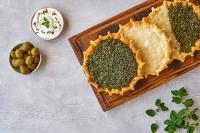
Furn Hamadeh, located in Hamra, is known for its years-long reputation for quality manakish and traditional baked goods. Their specialty is thick, unique dough topped with traditional za'atar, fitting into Beirut's breakfast culture.
Abou Daoud Bakery
Situated in Jdeideh, Abou Daoud Bakery offers a diverse range of manakish and Lebanese baked goods, coming with various fillings and additions alongside the traditional za'atar, making it a compelling choice among Lebanese bakeries.
Zaatar w Zeit
Zaatar w Zeit has made the za'atar manakish a key aspect of its offerings, providing it as a quick meal with diverse toppings and fillings. Originating from Lebanon and expanding internationally, it has become closely associated with Lebanese manakish.
FOU⁴ Bakery
FOU⁴ introduces a modern take on Lebanese manakish, blending traditional bakes with new ideas. Situated in Mar Mikhael, it offers manakish throughout the day along with other pastries, providing a different flavor from traditional bakeries.
Abu Shadi Lebanese Pizza Manousheh
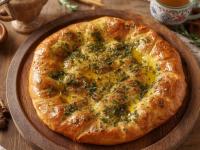
Abu Shadi specializes in manakish and Lebanese pastries, offering a variety of popular toppings with a strong traditional za'atar presence, focusing specifically on this beloved Lebanese street food.
What Makes Lebanese Za'atar Manakish Unique?
Traditional za'atar manakish consists of simple dough covered with a blend of za'atar, sumac, sesame, and olive oil, then baked to hot, crispy perfection. The final taste varies by dough thickness, the blend of za'atar, and baking methods used across different bakeries.
Typically served hot, manakish can be eaten alone or with fresh vegetables like tomatoes, cucumbers, and mint. Za'atar manakish is a symbol of Lebanese breakfast cuisine and has also become a versatile snack available at any time of the day.
Where to Find Za'atar Manakish in Lebanon?
Manakish bakeries can be found throughout Lebanon, with renowned bakeries in Beirut, Gemmayze, Hamra, and Mar Mikhael, as well as in Metn, Keserwan, Jbeil, Batroun, and Tripoli. The experience differs by region, bakery, and preparation style.
Older bakeries often enjoy historical ties to their local neighborhoods, while modern ones offer manakish with a contemporary twist, often featuring fillings beyond the traditional za'atar and cheese.
What are the Most Popular Types of Manakish in Lebanon?
Za'atar manakish is the most popular variety, alongside cheese manakish, za'atar with cheese, and lahm bi ajeen (meat pies). Some bakeries also offer contemporary fillings inspired by both Lebanese and international cuisines.
Baking styles include the traditional oven and saj, with oven-baked manakish remaining closely linked to the heritage of Lebanese local bakeries.
See also: