



Lebanon boasts an exceptional collection of natural and historical landmarks that make this small country one of the most diverse destinations in the Middle East. Visitors can travel within a few hours from Mediterranean beaches to mountain peaks, and from ancient cities to forests and nature reserves.
Lebanon offers a unique blend of Eastern culture and tourism openness, making it a perfect destination for those interested in exploration, history, and nature all at once.
Why is Lebanon Among the Top Arab Tourist Destinations?
Despite its limited size, Lebanon has rare tourism diversity. It harbors UNESCO World Heritage archaeological sites, beautiful beaches, charming mountain villages, and nature reserves that host historical symbols like the famous Lebanese cedar. Moreover, its ease of moving between various tourist areas quickly makes it attractive.
Natural Wonders and Panoramic Views
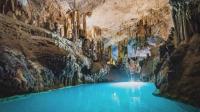
Jeita Grotto: An Underground Natural Marvel
Jeita Grotto is one of Lebanon's greatest natural wonders and most internationally renowned sites. It features two interconnected caves with stunning limestone formations formed over thousands of years. Visitors can walk through the upper grotto, while the lower grotto offers a unique experience via small boats navigating an underground river in an enchanting atmosphere beyond words.
Pigeon Rock: Beirut's Iconic Seaside Landmark
Pigeon Rock stands proudly off Beirut's coast as one of the country's most famous natural landmarks. It is a great spot to watch the sun set over the Mediterranean, with visitors enjoying the nearby sea-view cafes and restaurants, or taking boat tours for a different perspective of this iconic site.
Baatara Gorge: A Unique Geological Wonder
Located in the Tannourine area, Baatara Gorge, also known as "The Three Bridges Chasm," is among Lebanon's most impressive natural sites. A waterfall flows through three natural stone bridges formed by erosion and geological factors over millions of years, creating a remarkable scene that attracts photographers and nature enthusiasts worldwide.
Harissa Cable Car: Journey Between Sea and Mountain
The Harissa Cable Car offers one of Lebanon's most scenic experiences. The gondola lifts start from the coastal area of Jounieh and ascend to Harissa's peak, providing panoramic views combining the blue sea and stunning Lebanese mountains. At the summit, visitors are greeted by the Our Lady of Lebanon statue, one of the country's most prominent religious and tourist landmarks.
Historic Sites and World Heritage
Baalbek Temples: The Grandeur of Roman Civilization
Baalbek is among the Middle East and world's most important archaeological sites, hosting massive Roman temples that reflect the splendor of ancient architecture and historical engineering precision. The Temple of Bacchus, one of the best-preserved Roman temples globally, makes visiting Baalbek an essential experience for history enthusiasts.
Byblos: One of the World’s Oldest Cities
Byblos ranks among the oldest continually inhabited cities in history, featuring a magnificent blend of a Crusader castle, ancient markets, and a historic harbor overlooking the sea. Its stone alleyways and seaside restaurants offer visitors an experience combining the scent of the past with modern life.
Tyre: Where History Meets the Sea
Tyre is a prominent UNESCO World Heritage site with significant Phoenician and Roman ruins directly surrounding the Mediterranean. Moreover, it is famous for its beautiful sandy beaches and its old neighborhoods that retain a unique historical character.
Mountain Villages and Nature Reserves
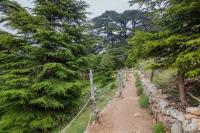
Cedars of God in Bsharri: Lebanon's Eternal Symbol
The Cedars of God forest is one of the country's most important natural landmarks, home to Lebanon’s oldest cedars—a symbol entwined with the nation's history and identity. Visitors experience tranquility and awe amidst the giant trees that have withstood climate changes and time for centuries.
Douma: The Charm of Traditional Lebanese Villages
Douma is among Lebanon’s most beautiful mountain villages, characterized by stone houses with red-tiled roofs, quiet streets, and traditional cafes. It offers visitors an opportunity to enjoy the traditional Lebanese lifestyle away from the hustle and bustle of major cities.
Beiteddine Palace and Deir al-Qamar: Marvels of History and Architecture
In the heart of the Chouf mountain area, Beiteddine Palace stands as an architectural masterpiece of 19th-century Eastern architecture, while nearby Deir al-Qamar, once the capital of the Lebanese Emirate, features stone buildings and historic squares, immersing visitors in a distinctive historical era.
The Best Time to Visit Lebanon
Spring and fall are the ideal seasons to explore Lebanese tourist attractions, with mild temperatures and nature at its best. Conversely, mountain and winter activity enthusiasts might prefer Lebanon during the snow season. Meanwhile, coastal areas see a major tourism influx during summer.
Tips Before Traveling to Lebanon
For a complete trip, it is recommended to allocate several days to explore various Lebanese areas and travel between cities and villages to experience the country's great diversity. Furthermore, tasting the famous Lebanese cuisine is an essential part of the tourist experience.
In conclusion, must-visit destinations in Lebanon highlight the country’s exceptional tourist assets that blend history, nature, and culture in one setting. Hence, Lebanon remains an unforgettable destination for those seeking beauty, diversity, and adventure in the heart of the Middle East.
You might also like