



Ozempic's side effects are garnering significant attention from patients and users, especially with its widespread use in diabetes treatment and weight loss programs. Although most side effects are mild and temporary, such as nausea and digestive issues, rare cases can lead to complications requiring immediate medical evaluation.
It's important to know that these complications do not necessarily occur in all users. Recognizing warning signs can aid in early intervention and reduce potential risks. Thus, doctors always recommend regular health monitoring while using the medication.
Why Pay Attention to Warning Signs?
Ozempic affects various systems within the body, especially the digestive and metabolic systems. Generally, treatment responses are positive, but rare complications may arise, necessitating a halt in medication or urgent consultation with a doctor.
Ignoring severe symptoms may exacerbate the health issue and complicate treatment later. Awareness of the risks is crucial for the safe use of the medication.
Serious Ozempic Side Effects to Look Out For

Thyroid Tumors
Abnormal changes in the neck area merit attention. Symptoms may include a lump or swelling in the neck, persistent hoarseness, or difficulty swallowing and breathing.
While these complications are rare, long-lasting symptoms require prompt medical evaluation to rule out serious thyroid-related issues.
Acute Pancreatitis
Acute pancreatitis is one of the most serious potential complications requiring urgent medical intervention. It typically manifests as severe, sudden upper abdominal pain sometimes radiating to the back.
This pain may be accompanied by severe nausea or persistent vomiting. In such cases, stop using the medication and seek medical care immediately.
Gastroparesis or Bowel Obstruction
In rare instances, a patient may experience a significant slowdown in gastrointestinal movement, presenting symptoms like severe abdominal bloating, inability to pass stool or gas.
Repeated vomiting of undigested food with a constant feeling of fullness are signs necessitating urgent medical review to prevent additional complications.
Severe Gallbladder Issues
Rapid weight loss or certain medications may affect gallbladder health in some patients.
Warning signs include severe pain in the upper right abdomen, fever, and jaundice (yellowing of the skin or eyes). Quick medical evaluation is needed if these symptoms appear.
Acute Kidney Failure
Excessive vomiting or severe diarrhea can lead to substantial fluid loss, increasing the risk of dehydration and impacting kidney function.
Warning signs include significant reduction in urine output or complete urinary suppression, along with swelling in the feet and legs and extreme fatigue. Maintaining proper hydration and consulting a doctor when observing unusual changes is advised.
Severe Hypoglycemia
Low blood sugar is more prevalent in people using Ozempic alongside other diabetes medications.
Symptoms include severe dizziness, cold sweats, rapid heartbeat, mental confusion, and difficulty concentrating. In severe instances, unconsciousness may occur if not promptly addressed.
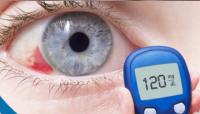
Diabetic Retinopathy
Some diabetic patients may notice sudden vision changes during treatment, especially those with existing retinal issues.
It's crucial to see an ophthalmologist if sudden visual blurriness, a noticeable decline in vision, or new eye-related symptoms occur.
Severe Allergic Reactions
Severe allergies are emergencies requiring immediate intervention, manifesting as widespread rashes, severe itching, or swelling in the face, lips, or tongue.
Severe cases may include breathing difficulties or a choking sensation, necessitating urgent ambulance services.
Important Tips to Prevent Complications
Following medical instructions helps minimize the likelihood of health issues associated with treatment. Adhere to doctor-prescribed doses without self-adjustment.
Additionally, drink sufficient daily water to prevent dehydration and support kidney function. It's advisable to avoid rich and fried foods that may exacerbate digestive issues and negatively affect digestion.
Moreover, report unusual or persistent symptoms to your doctor and avoid following unsolicited online advice without specialized medical consultation.
When to Seek Immediate Medical Help?
Consult a doctor or go to the emergency department if experiencing severe abdominal pain, persistent vomiting, difficulty breathing, facial swelling, severe hypoglycemia symptoms, or sudden vision changes. Persistent or worsening symptoms necessitate crucial medical evaluation and prompt treatment.
In conclusion, while Ozempic is a highly effective treatment for diabetes and weight management in many patients, understanding its potential side effects is crucial for safe use. Continuous communication with your doctor and regular follow-ups are the foundation for maximizing the treatment's safety.
See Also
Is the Ozempic Injection Safe for Non-Diabetics?