



Many individuals are curious about what happens to the body after stopping weight loss injections, especially after noticeable weight loss results during the treatment period. While these injections help reduce appetite and improve weight control, the body may undergo a range of physiological changes when they are stopped, explaining the return of weight in a significant percentage of users.
Recent medical experiences indicate that the success of the treatment does not rely solely on the use of injections but also on how one handles the post-treatment phase. Hence, doctors emphasize the importance of adopting a healthy and sustainable lifestyle to avoid losing the results achieved during the treatment months.
Why Do Changes Occur After Stopping the Injections?
Most modern weight loss injections rely on mechanisms that affect appetite centers in the brain and slow down the stomach emptying process, providing a longer feeling of fullness and reducing daily food intake.
When the treatment is stopped, these effects gradually subside, and the body's natural processes return to previous levels. Additionally, some individuals may find it challenging to maintain new eating habits if they were not ingrained during the treatment period.
What Happens to Your Body After Stopping Weight Loss Injections?

Significant Appetite Return
One of the most common changes after stopping weight loss injections is the gradual or rapid return of appetite. This occurs due to a decrease in the hormones responsible for enhancing the feeling of fullness and a return to normal stomach and intestinal movement, leading to increased hunger compared to the medication period.
Regaining Lost Weight
Weight gain after stopping treatment is one of the biggest challenges facing patients. In many cases, the body starts regaining some of the weight lost within the first few months.
This is due to increased appetite and higher calorie consumption compared to the treatment period. Moreover, decreased physical activity or a return to previous eating habits can accelerate weight gain.
Metabolic Disruption Post-Cessation
During the use of weight loss injections, certain health indicators related to metabolism, such as blood fat levels, blood pressure, and some cardiac markers, may improve.
Conversely, these improvements may gradually wane after stopping treatment if a healthy lifestyle is not maintained. Therefore, doctors recommend continuing to follow a balanced diet even after treatment ends.
Increased Blood Sugar Levels
For diabetes patients, discontinuing certain types of weight loss injections may result in losing some of the benefits gained in controlling sugar levels.
Over time, sugar levels may rise again if the treatment plan is not adjusted or the medication is not replaced with other options determined by a specialist doctor. Hence, regular medical follow-up is essential after stopping treatment.
Loss of Muscle Mass and Its Impact on Metabolism
One aspect that many may overlook is the impact of weight loss on muscle mass. When losing weight rapidly, the body may lose some muscle along with fat.
When weight is regained later, it often returns as fat rather than muscle, which could lower the basic metabolic rate and increase the difficulty of maintaining weight in the future.
What Do Medical Studies Say?
Data from several recent medical studies indicate that weight regain after stopping weight loss injections is a common phenomenon among a large percentage of patients.
Within the First 3 Months
Appetite starts returning gradually, and some individuals may notice a weight increase of up to 4.5% of body weight due to increased food consumption and reduced medication effect.
Within 6 Months
Weight gain may continue with a decline in some health indicators that improved during treatment, with some cases experiencing an increase of around 6% of body weight.
Within a Full Year
Some estimates suggest that many patients regain a significant portion of the weight lost during treatment, especially if they do not adhere to a regular diet and physical activity.
Within 18 Months
In some cases, weight may return to its previous levels or surpass them, particularly without medical follow-up or sustainable lifestyle changes.
How to Safely Stop Weight Loss Injections?
Gradually Reducing Doses
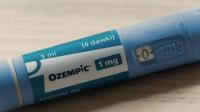
Doctors often advise against suddenly stopping treatment, recommending gradually reducing the dose under a suitable medical plan to help the body adjust to new changes.
Increase Protein Intake
Protein helps maintain muscle mass and keeps you feeling full longer, so it's advised to focus on healthy protein sources within your daily diet.
Regular Exercise
Exercise plays a crucial role in stabilizing weight and maintaining muscle mass, improving metabolism, and reducing the likelihood of regaining lost fat.
Following the Treatment Plan
In some cases, the doctor may recommend alternative medications or therapeutic strategies to help stabilize weight or control sugar levels after stopping injections.
Common Mistakes After Stopping Treatment
Some people mistakenly believe that lost weight will remain stable automatically after stopping injections. However, the reality differs as abandoning a healthy diet or neglecting physical activity may lead to regaining weight quickly.
Furthermore, suddenly stopping without consulting a doctor may increase difficulty in controlling appetite or managing weight-related health issues.
In conclusion, while appetite return and weight gain are common changes, adopting a healthy lifestyle, adhering to physical activity, and regular medical follow-up can significantly help maintain long-term results. Therefore, weight loss injections should not be seen as just a temporary solution but as part of a comprehensive plan for weight management and improving overall health.
Also See
Serious Symptoms That May Appear Due to Ozempic