


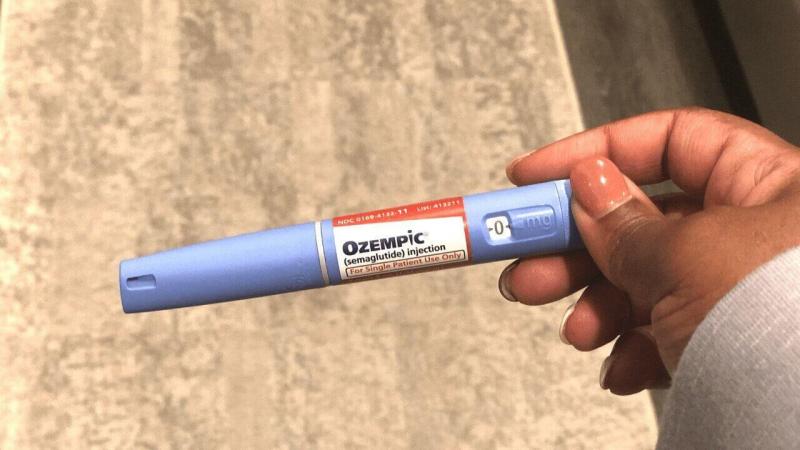
Patients often raise questions before beginning the use of modern weight loss medications such as Ozempic and Mounjaro, which belong to the GLP-1 receptor agonists class. One of the prevailing concerns is whether these weight loss injections cause cancer.
As these medications gain global traction, concerns about their long-term safety have surfaced, especially following results from animal studies. It is crucial to differentiate what is scientifically established from what remains under investigation.
Where Did Cancer Concerns about Weight Loss Injections Originate?
These fears emerged when laboratory studies on rodents indicated an increased risk of a rare thyroid tumor known as medullary thyroid carcinoma. During trials on mice, some weight loss drugs were observed to incite this type of tumor in susceptible animals.
Consequently, these findings led regulatory bodies to mandate formal warnings on medication packaging as a precautionary measure to protect patients.
Has This Link Been Proven in Humans?
To date, clinical studies have not demonstrated a direct association between weight loss injections and medullary thyroid carcinoma in humans. Available clinical trial data and widespread usage have not shown a confirmed increase in incidence of this cancer compared to the general population.
Experts emphasize that animal study results cannot be automatically applied to humans due to biological differences between species. Health authorities continue to monitor long-term data to ensure these medications' complete safety.
Who Should Avoid Weight Loss Injections?

Restricted Groups
- Individuals with a personal history of medullary thyroid carcinoma.
- Those with a family history of this cancer type.
- Patients with Multiple Endocrine Neoplasia syndrome type 2 (MEN 2).
- Cases where the doctor identifies specific risk factors.
Thus, doctors ensure to review a patient’s medical and family history before prescribing treatment.
Do Weight Loss Injections Affect Cancer Screenings?
Medical reports suggest these drugs might indirectly influence some diagnostic tests.
Impact on Positron Emission Tomography (PET) Scans
GLP-1 medications slow stomach emptying and affect gastrointestinal movement, potentially altering intestinal absorption patterns during nuclear tests. This might lead to results requiring careful interpretation by medical specialists. However, this doesn’t imply the drug causes cancer—rather, it might affect medical imaging readings.
What Are the Verified Health Risks of Weight Loss Injections?
Apart from cancer-related controversies, these medications have well-documented side effects.
Gastrointestinal Issues
- Nausea.
- Vomiting.
- Diarrhea.
- Constipation.
- Feeling bloated.
These symptoms are often temporary and improve with continued treatment.
Pancreatitis
In rare cases, acute pancreatitis has been reported. Immediate medical consultation is advised for persistent severe upper abdominal pain.
Gallbladder Problems
Rapid weight loss can increase the risk of gallstones, and occasionally gallbladder-related inflammations.
Renal Function Impact
Severe vomiting or diarrhea may cause dehydration, adversely affecting kidney function, especially in those with pre-existing renal issues.
Do the Benefits of Weight Loss Injections Outweigh the Risks?
For many patients with obesity or type 2 diabetes, the benefits can be significant, including:
- Substantial weight reduction.
- Improved blood sugar levels.
- Reduced cardiovascular disease risks.
- Enhanced quality of life for obese patients.
The final decision depends on the doctor's assessment of each patient's situation, balancing anticipated benefits against potential risks.
When Should a Doctor Be Consulted Immediately?
Certain symptoms warrant urgent medical evaluation during the use of weight loss injections.
Signs Requiring Medical Assessment
- New lumps or swelling in the neck.
- Difficulty swallowing.
- Persistent hoarseness.
- Severe abdominal pain.
- Frequent, ongoing vomiting.
- Severe dehydration symptoms.
In Conclusion, current scientific evidence does not establish a direct relationship between these medications and cancer in humans. Therefore, weight loss injections remain relatively safe when prescribed by a specialist and accompanied by regular health monitoring.
Also Read
Reasons for Weight Stagnation Despite Dieting