


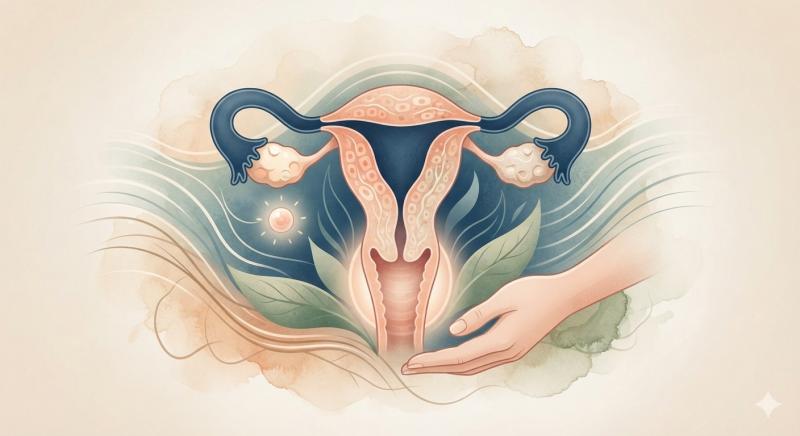
Vaginal discharge is a natural and healthy part of a woman's reproductive system. The amount and appearance vary among individuals and can change throughout the menstrual cycle. Therefore, low vaginal discharge is not necessarily indicative of a health issue, especially if not accompanied by symptoms like itching, burning, or pain.
However, a significant decrease or sudden onset of vaginal dryness may sometimes be linked to hormonal changes, medications, or certain life stages such as breastfeeding or perimenopause. Understanding the cause is essential to determine whether it's normal or requires a gynecologist's consultation.
What is Normal Vaginal Discharge?
Normal vaginal discharge is composed of fluids and mucus that help keep the vagina clean, moist, and protected from infections. It is usually clear or white, without a strong or unpleasant odor.
The discharge quantity naturally varies with the menstrual cycle, often becoming more noticeable and moist during ovulation. It can also be influenced by pregnancy, certain contraceptives, and sexual activity.
Thus, there is no single amount that is considered normal. It is crucial to recognize one's typical pattern and to note any persistent or unusual changes.
Is Low Vaginal Discharge Normal?
Yes, it can be completely normal.
If the discharge is naturally minimal and there are no concerning symptoms or cycle irregularities, there may be no cause for concern.
Discharge quantity fluctuates throughout the month. Women may notice days with very little discharge and other days with more, especially around ovulation.
However, if a decrease is distinctly noticeable and persistent, especially if accompanied by dryness or discomfort, it may be worthwhile to investigate the cause.
What Causes Low Vaginal Discharge?
Hormonal Changes
Decreased estrogen levels are notably linked with vaginal dryness and reduced natural lubrication, occurring at various life stages.
Situations where estrogen may decrease include:
- Breastfeeding period
- Post-childbirth
- Perimenopause
- Menopause
- Certain medical treatments affecting hormones
The American College of Obstetricians and Gynecologists explains that decreased estrogen can cause dryness, thinning of vaginal tissues, and reduced discharge.
Breastfeeding
Some women experience reduced discharge and vaginal dryness during breastfeeding due to post-birth hormonal changes.
Medical sources indicate that low estrogen during breastfeeding can cause vaginal dryness, also affecting lubrication during intercourse.
Approaching Menopause
During perimenopause, hormone levels begin to fluctuate, with a gradual reduction in estrogen leading to decreased discharge.
With continued estrogen decline into menopause, vaginal tissues may become drier and less elastic, with reduced natural discharge.
Certain Medications
Some medications can contribute to vaginal tissue dryness. The American College of Obstetricians and Gynecologists notes that certain allergy, cold remedies, and antidepressants may cause dryness in some women.
This does not necessarily mean stopping medication upon noting reduced discharge; consulting a doctor to determine the medication's influence is advisable.
Some Birth Control Methods
Vaginal discharge may change with hormonal changes and certain contraceptives, potentially leading some women to notice variations in discharge quantity.
Does Low Discharge Indicate Fertility Issues?
Not necessarily.
Low vaginal discharge alone does not imply fertility problems. However, cervical mucus changes during the cycle, typically becoming clearer and more abundant around ovulation.
Thus, if trying to conceive and no change is observed mid-cycle, it may be beneficial to consult a gynecologist, especially if there are cycle disturbances or difficulty conceiving.
Weak ovulation or infertility cannot be diagnosed by discharge amount alone.
Vaginal Dryness with Low Discharge
It's important to distinguish between low discharge and vaginal dryness.
Dryness occurs when the vaginal area is less lubricated, sometimes accompanied by tightness, burning, irritation, or pain during intercourse. Estrogen decline, especially post-childbirth, during breastfeeding, and perimenopause, is a common cause.
If dryness is the main issue, vaginal moisturizers and lubricants can relieve symptoms, while some cases may require medical evaluation to determine the appropriateness of topical hormone therapy.
When is Low Vaginal Discharge a Concern?
In most cases, low discharge isn't an alarming sign. However, medical advice should be sought if the change is new, persistent, or accompanied by other symptoms.
- Severe and persistent dryness
- Itching or burning in the vagina or vulva
- Pain during intercourse
- Pain or burning during urination
- Unusual bleeding, particularly post-intercourse
- Pelvic pain
- Noticeable change in discharge odor
- Color changes in the discharge to yellow, green, or gray
- Clumpy or unusual discharge
In these situations, self-diagnosing based solely on discharge appearance is inadvisable as symptoms can mimic various conditions.
Is Low Discharge Linked to Infections?
Vaginal infections often cause discharge changes rather than just reduction.
For instance, certain infections can lead to discharges with a strong odor or color and consistency changes, possibly accompanied by itching, burning, or pain.
Therefore, reduced discharge without itchiness, pain, or abnormal odors isn't sufficient evidence of infection.
Does Low Discharge Affect Intimacy?
If low vaginal discharge is linked with dryness, it may make intimacy more challenging or cause friction and pain.
In such cases, suitable lubricants can ease friction, though persistent dryness might necessitate evaluating the underlying cause. Medical sources recommend vaginal moisturizers and lubricants to alleviate dryness symptoms while consulting a physician if the issue is persistent or severe.
What Should Women Do When Noticing Low Discharge?
If discharge reduction is slight and without other symptoms, monitoring changes during the cycle against usual patterns is wise.
For dryness or pain, avoid scented products or internal cleansers that can cause irritation and exacerbate the problem. Medical entities recommend gently cleansing the external area and avoiding douching and scented products.
If symptoms persist, doctors will assess medical history, cycle, and medication use, potentially conduct exams, or request additional tests if signs indicate a specific cause.
Does Low Discharge Need Treatment?
Not always.
If naturally low discharge is accompanied by no other symptoms, there isn't necessarily a need for treatment.
If the cause is estrogen-related vaginal dryness, options to alleviate symptoms, like vaginal moisturizers and lubricants, may be considered. Depending on the case and the woman's health history, topical estrogen or other treatments might be discussed by a healthcare provider.
Avoid using hormones or any vaginal treatment without proper guidance, particularly during pregnancy, breastfeeding, or when a relevant medical history suggests caution.
Conclusion
Low vaginal discharge doesn’t necessarily indicate a health problem. Discharge amounts naturally vary throughout the menstrual cycle and may decrease due to hormonal changes, breastfeeding, perimenopause, or certain medications.
However, if the reduction is new and continuous, or accompanied by severe dryness, itchiness, burning, pain during intercourse or urination, bleeding, significant odor or color change, consulting a gynecologist is advised for determining cause and receiving appropriate treatment.
Related Articles
Vaginal Discharge Before Menstruation: Why Does It Increase?